• About
  • Masthead
  • License Content
  • Advertise
  • Submit Press Release
  • RSS/Email List
  • 2MM Podcast
  • Write for us
  • Contact Us
2 Minute Medicine
No Result
View All Result

No products in the cart.

SUBSCRIBE
  • Specialties
    • All Specialties, All Recent Reports
    • Cardiology
    • Chronic Disease
    • Dermatology
    • Emergency
    • Endocrinology
    • Gastroenterology
    • Imaging and Intervention
    • Infectious Disease
    • Nephrology
    • Neurology
    • Obstetrics
    • Oncology
    • Ophthalmology
    • Pediatrics
    • Pharma
    • Preclinical
    • Psychiatry
    • Public Health
    • Pulmonology
    • Rheumatology
    • Surgery
  • Tools
    • EvidencePulse™
    • RVU Search
    • NPI Registry Lookup
  • Pharma
  • AI News
  • The Scan+
  • Classics™+
    • 2MM+ Online Access
    • Paperback and Ebook
  • Rewinds
  • Partners
    • License Content
    • Submit Press Release
    • Advertise with Us
  • Account
    • Subscribe
    • Sign-in
    • My account
2 Minute Medicine
  • Specialties
    • All Specialties, All Recent Reports
    • Cardiology
    • Chronic Disease
    • Dermatology
    • Emergency
    • Endocrinology
    • Gastroenterology
    • Imaging and Intervention
    • Infectious Disease
    • Nephrology
    • Neurology
    • Obstetrics
    • Oncology
    • Ophthalmology
    • Pediatrics
    • Pharma
    • Preclinical
    • Psychiatry
    • Public Health
    • Pulmonology
    • Rheumatology
    • Surgery
  • Tools
    • EvidencePulse™
    • RVU Search
    • NPI Registry Lookup
  • Pharma
  • AI News
  • The Scan+
  • Classics™+
    • 2MM+ Online Access
    • Paperback and Ebook
  • Rewinds
  • Partners
    • License Content
    • Submit Press Release
    • Advertise with Us
  • Account
    • Subscribe
    • Sign-in
    • My account
SUBSCRIBE
2 Minute Medicine
Subscribe
Home All Specialties Cardiology

No benefit to fractional flow reserved-guided revascularization in myocardial infarction
byNhat Hung (Benjamin) LamandKiera Liblik
June 7, 2024
in Cardiology, Chronic Disease, Emergency
Reading Time: 2 mins read
0
Share on FacebookShare on Twitter

1. In this randomized controlled trial, compared to culprit-lesion-only percutaneous coronary intervention (PCI), the fractional flow reserve (FFR)-guided approach did not result in superior outcomes among patients with multi-vessel coronary artery disease (CAD).

2. FFR-guided PCI also did not differ from culprit-only PCI in safety outcomes.

Evidence Rating Level: 1 (Excellent)

Study Rundown: Many patients presenting with ST-segment elevation myocardial infarction (STEMI) have multi-vessel CAD. It is unclear whether routine revascularization of non-culprit stenoses, typically guided visually with angiography, is beneficial. Evidence exists that functional FFR assessment improved outcomes in patients with chronic coronary syndromes. However, studies investigating FFR-guided PCI in acute coronary syndromes have been conflicting. This trial compared FFR-guided complete revascularization against culprit-only PCI in patients with STEMI or very-high-risk non-STEMI and multi-vessel disease. In this comparison, FFR-guided revascularization did not result in a lower composite risk of death, myocardial infarction, or unplanned revascularization. Individual secondary outcomes, as well as safety outcomes, including acute kidney injury, stroke, major bleeding, and hospitalization for heart failure, did not differ between the groups. However, patients undergoing FFR-guided revascularization had longer hospitalization and higher radiation exposure. The study was limited by premature termination for feasibility and lack of data on race. Nevertheless, the results demonstrated that for patients with acute coronary syndromes and multi-vessel disease, FFR-guided revascularization did not impact the rate of all-cause mortality, myocardial infarction, or unplanned revascularization.

Click here to read the study in NEJM 

In-Depth [randomized controlled trial]: This multi-national, open-label, randomized study compared FFR-guided complete revascularization against culprit-only PCI. Patients were eligible for inclusion if they presented with either STEMI or very-high-risk non-STEMI and underwent PCI of the culprit lesion. Additionally, they were required to have multi-vessel CAD involving at least one non-culprit artery with a stenosis of 50-99%. Exclusion criteria included prior coronary-artery bypass grafting surgery, left main disease, or cardiogenic shock. In total, 1,542 patients were randomized 1:1 to undergo culprit-lesion-only PCI or FFR-guided complete revascularization, which could be performed during the index PCI procedure or afterward during the index hospitalization. The primary outcome was a composite of death from any cause, myocardial infarction, or unplanned revascularization. Secondary outcomes included a composite of death from any cause or myocardial infarction, unplanned revascularization, and death from cardiovascular causes. After the median follow-up of 4.8 years (interquartile range 4.3-5.2), the primary outcome occurred in 19.0% in the FFR-guided revascularization group and 20.4% in the culprit-lesion-only group (hazard ratio [HR], 0.93; 95% Confidence Interval [CI], 0.74-1.17; p=0.53). The composite of death from any cause or myocardial infarction occurred in 16.5% of the FFR-guided revascularization group and 15.3% in the culprit-lesion-only group (HR, 1.12; 95% CI, 0.87-1.44). Similarly, FFR-guided revascularization also did not impact the risk of unplanned revascularization (HR, 0.76; 95% CI, 0.56-1.04) and death from cardiovascular causes (HR 0.87, 95% CI 0.55-1.39). FFR-revascularization was associated with a higher risk of stent thrombosis (HR 2.80, 95% CI 1.18-6.67), restenosis (HR 1.84, 95% CI 1.03-3.28), and target-vessel revascularization (HR 1.57, 95% CI 1.07-2.31). Overall, these results demonstrated that for patients with STEMI or very-high-risk non-STEMI and multi-vessel disease, FFR-guided revascularization was not superior to culprit-lesion-only PCI.

RELATED REPORTS

Two scores for risk stratification of adults presenting with syncope may be effective at identifying those with low risk

Adjuvanted influenza vaccines and high-dose influenza vaccines may have similar effectiveness in adult patients

Resuscitative endovascular balloon occlusion of the aorta may not improve outcomes in adults with non-traumatic out-of-hospital cardiac arrest

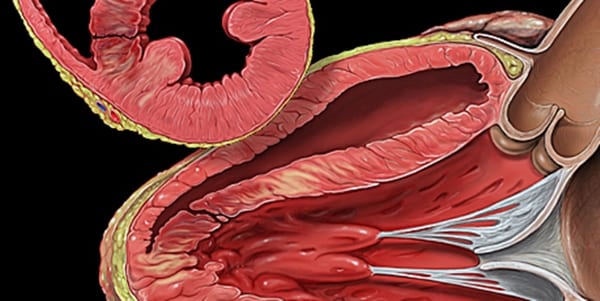
Image: PD

©2024 2 Minute Medicine, Inc. All rights reserved. No works may be reproduced without expressed written consent from 2 Minute Medicine, Inc. Inquire about licensing here. No article should be construed as medical advice and is not intended as such by the authors or by 2 Minute Medicine, Inc.

Tags: cardiologychronic diseaseCoronary artery diseaseemergencyfractional flow reserved-guided revascularizationmyocardial infarction
Previous Post

Corticosteroid injections not found to be associated with fracture risk in elderly cohort

Next Post

#VisualAbstract: Oral azacitidine did not improve progres-sion-free survival but had a better safety profile for follicular helper T-cell lymphoma

RelatedReports

Computed tomography improves diagnostic certainty in the emergency department
Cardiology

Two scores for risk stratification of adults presenting with syncope may be effective at identifying those with low risk

May 29, 2026
Live attenuated vaccine less effective in recent influenza season
Emergency

Adjuvanted influenza vaccines and high-dose influenza vaccines may have similar effectiveness in adult patients

May 15, 2026
Antiarrhythmic drugs have no survival benefit in shock-refractory out-of-hospital cardiac arrest
Cardiology

Resuscitative endovascular balloon occlusion of the aorta may not improve outcomes in adults with non-traumatic out-of-hospital cardiac arrest

May 14, 2026
PCI not superior to medical therapy alone in stable coronary disease: The COURAGE study
Cardiology

Invasive management for non-ST-segment elevation myocardial infarction in frail patients may not improve mortality

April 30, 2026
Next Post
#VisualAbstract: Oral azacitidine did not improve progres-sion-free survival but had a better safety profile for follicular helper T-cell lymphoma

#VisualAbstract: Oral azacitidine did not improve progres-sion-free survival but had a better safety profile for follicular helper T-cell lymphoma

Kidney function metrics may help predict risk for cardiovascular disease

Transcatheter aortic valve implantation non-inferior to surgical replacement in low-to-intermediate risk patients

Being overweight and obese associated with increased incidence of chronic kidney disease

SGLT2 inhibitors improved outcomes in stage five chronic kidney disease

2 Minute Medicine® is an award winning, physician-run, expert medical media company. Our content is curated, written and edited by practicing health professionals who have clinical and scientific expertise in their field of reporting. Our editorial management team is comprised of highly-trained MD physicians. Join numerous brands, companies, and hospitals who trust our licensed content.

Recent Reports

  • Two scores for risk stratification of adults presenting with syncope may be effective at identifying those with low risk
  • Use of procalcitonin in neonatal late-onset sepsis may reduce the duration of antibiotic therapy without increase in mortality
  • A novel therapy targeting γ-aminobutyric acid is safe and may be effective in major depressive disorder
License Content
Terms of Use | Disclaimer
Cookie Policy
Privacy Statement (EU)
Disclaimer
  • Specialties
    • All Specialties, All Recent Reports
    • Cardiology
    • Chronic Disease
    • Dermatology
    • Emergency
    • Endocrinology
    • Gastroenterology
    • Imaging and Intervention
    • Infectious Disease
    • Nephrology
    • Neurology
    • Obstetrics
    • Oncology
    • Ophthalmology
    • Pediatrics
    • Pharma
    • Preclinical
    • Psychiatry
    • Public Health
    • Pulmonology
    • Rheumatology
    • Surgery
  • Tools
    • EvidencePulse™
    • RVU Search
    • NPI Registry Lookup
  • Pharma
  • AI News
  • The Scan
  • Classics™
    • 2MM+ Online Access
    • Paperback and Ebook
  • Rewinds
  • Partners
    • License Content
    • Submit Press Release
    • Advertise with Us
  • Account
    • Subscribe
    • Sign-in
    • My account
No Result
View All Result

© 2026 2 Minute Medicine, Inc. - Physician-written medical news.