• About
  • Masthead
  • License Content
  • Advertise
  • Submit Press Release
  • RSS/Email List
  • 2MM Podcast
  • Write for us
  • Contact Us
2 Minute Medicine
No Result
View All Result

No products in the cart.

SUBSCRIBE
  • Specialties
    • All Specialties, All Recent Reports
    • Cardiology
    • Chronic Disease
    • Dermatology
    • Emergency
    • Endocrinology
    • Gastroenterology
    • Imaging and Intervention
    • Infectious Disease
    • Nephrology
    • Neurology
    • Obstetrics
    • Oncology
    • Ophthalmology
    • Pediatrics
    • Pharma
    • Preclinical
    • Psychiatry
    • Public Health
    • Pulmonology
    • Rheumatology
    • Surgery
  • Tools
    • EvidencePulse™
    • RVU Search
    • NPI Registry Lookup
  • Pharma
  • AI News
  • The Scan+
  • Classics™+
    • 2MM+ Online Access
    • Paperback and Ebook
  • Rewinds
  • Partners
    • License Content
    • Submit Press Release
    • Advertise with Us
  • Account
    • Subscribe
    • Sign-in
    • My account
2 Minute Medicine
  • Specialties
    • All Specialties, All Recent Reports
    • Cardiology
    • Chronic Disease
    • Dermatology
    • Emergency
    • Endocrinology
    • Gastroenterology
    • Imaging and Intervention
    • Infectious Disease
    • Nephrology
    • Neurology
    • Obstetrics
    • Oncology
    • Ophthalmology
    • Pediatrics
    • Pharma
    • Preclinical
    • Psychiatry
    • Public Health
    • Pulmonology
    • Rheumatology
    • Surgery
  • Tools
    • EvidencePulse™
    • RVU Search
    • NPI Registry Lookup
  • Pharma
  • AI News
  • The Scan+
  • Classics™+
    • 2MM+ Online Access
    • Paperback and Ebook
  • Rewinds
  • Partners
    • License Content
    • Submit Press Release
    • Advertise with Us
  • Account
    • Subscribe
    • Sign-in
    • My account
SUBSCRIBE
2 Minute Medicine
Subscribe
Home All Specialties Cardiology

Endovascular thrombectomy for large ischemic strokes results in improved functional outcomes

byDavid XiangandKiera Liblik
April 18, 2023
in Cardiology, Emergency, Neurology, Surgery
Reading Time: 2 mins read
0
Share on FacebookShare on Twitter

1. In this randomized controlled trial, endovascular thrombectomy resulted in better functional outcomes than medical care in patients with large ischemic strokes.

2. For patients with large ischemic strokes, endovascular thrombectomy was associated with more vascular complications than medical care.

Evidence Rating Level: 1 (Excellent)

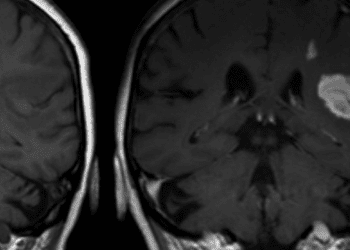
Study Rundown: Endovascular thrombectomy has been shown to be more effective than medical therapy alone in reducing disability in patients with ischemic stroke. However, there is a gap in knowledge as to understanding the safety and efficacy of thrombectomy in patients with a significant ischemic stroke burden and whether endovascular thrombectomy within 24 hours after stroke onset (defined as the time the patient was last known to be well) leads to better functional outcomes than standard medical care alone. Overall, this study found that endovascular thrombectomy, in addition to standard medical care, resulted in better functional outcomes than medical care alone in patients with large ischemic infarcts. Although, thrombectomy was associated with procedural vascular complications. This study was limited by its early termination and smaller sample size than expected. Nevertheless, these study’s findings are still significant, as they demonstrate that endovascular thrombectomy may improve functional outcomes for patients with large ischemic strokes.

Click to read the study in NEJM

Relevant Reading: Trial of Endovascular Therapy for Acute Ischemic Stroke with Large Infarct

RELATED REPORTS

2 Minute Medicine: Pharma Roundup – Pfizer’s Talzenna delays prostate cancer progression, apixaban lowers VTE bleeding risk, Lilly’s retatrutide hits Phase III metabolic targets, and FDA warns Novo Nordisk over safety reporting violations [March 2026]

2 Minute Medicine Rewind March 30, 2026

Early control of systolic blood pressure following intracerebral hemorrhage may improve functional recovery

In-Depth [randomized controlled trial]: This phase three, randomized, open-label clinical trial was conducted at 31 sites across the United States, Canada, Europe, Australia, and New Zealand. Patients who were 18 to 85 years of age and had an acute ischemic stroke due to occlusion of the internal carotid artery (either cervical or intracranial) or the M1 segment (main trunk) of the middle cerebral artery or both were eligible for the study. Patients who did not have a large ischemic stroke as estimated on computed tomography perfusion imaging were excluded from the study. The primary outcome was the ordinal score on the modified Rankin scale at 90 days, with higher scores indicating more significant disability. Outcomes in the primary analysis were assessed via the intention-to-treat principle. Based on the primary analysis, the trial was ended early due to efficacy, as thrombectomy had an odds ratio for better outcomes was 1.51 (95% Confidence Interval [CI], 1.2 to 1.89). In total, 20% of the patients in the thrombectomy group had functional independence, compared to 7% of the medical care group (Relative Risk, 2.97; 95% CI, 1.6 to 5.51). Mortality was similar in the two groups, though in the thrombectomy group, vascular complications occurred. Arterial access-site complications occurred in five patients, dissection in 10 patients, cerebral-vessel perforation in seven patients, and transient vasospasm in 11 patients. In summary, this study demonstrates that endovascular thrombectomy results in better functional outcomes than medical care alone in patients with large ischemic strokes.

Image: PD

©2023 2 Minute Medicine, Inc. All rights reserved. No works may be reproduced without expressed written consent from 2 Minute Medicine, Inc. Inquire about licensing here. No article should be construed as medical advice and is not intended as such by the authors or by 2 Minute Medicine, Inc.

Tags: acute strokeacute strokes secondary to large infarctioncardiologyemergencyendovascular therapyintracranial hemorrhagelarge infarctionneurologyneurosurgerystrokeSurgeryvascular surgery
Previous Post

Video decision support tool improves knowledge in Black implantable cardioverter-defibrillator candidates

Next Post

Nirmatrelvir may be an effective agent to reduce COVID-19 associated hospitalization and death

RelatedReports

2 Minute Medicine: Pharma Roundup: Price Hikes, Breakthrough Approvals, Legal Showdowns, Biotech Expansion, and Europe’s Pricing Debate [May 12nd, 2025]
Endocrinology

2 Minute Medicine: Pharma Roundup – Pfizer’s Talzenna delays prostate cancer progression, apixaban lowers VTE bleeding risk, Lilly’s retatrutide hits Phase III metabolic targets, and FDA warns Novo Nordisk over safety reporting violations [March 2026]

March 30, 2026
Intensive rehabilitation not superior to traditional therapy for arm function after stroke
Weekly Rewinds

2 Minute Medicine Rewind March 30, 2026

March 30, 2026
No difference in mortality for intensive versus standard reduction in blood pressure in intracerebral hemorrhage: The ATACH-2 trial
Emergency

Early control of systolic blood pressure following intracerebral hemorrhage may improve functional recovery

March 24, 2026
Chronic Disease

Burr hole craniotomy for chronic subdural hematoma under local anesthesia may reduce risks of postoperative delirium compared to general anesthesia

March 18, 2026
Next Post
Novel coronavirus identified from patients with pneumonia in Wuhan, China

Nirmatrelvir may be an effective agent to reduce COVID-19 associated hospitalization and death

Forearm parathyroid reimplantation may be effective in preventing hypoparathyroidism

Parathyroidectomy does not impact renal function in adults with primary hyperparathyroidism

Colchicine may lower the risk of cardiovascular events in patients with coronary disease

Immediate revascularization reduces myocardial infarction rates compared to staged revascularization in multivessel coronary disease

2 Minute Medicine® is an award winning, physician-run, expert medical media company. Our content is curated, written and edited by practicing health professionals who have clinical and scientific expertise in their field of reporting. Our editorial management team is comprised of highly-trained MD physicians. Join numerous brands, companies, and hospitals who trust our licensed content.

Recent Reports

  • Bottom-vented bottles may not reduce gastrointestinal discomfort in infants
  • Ketorolac administration after cesarean delivery may reduce postoperative opioid use
  • One Big Beautiful Bill could impact half of Medicaid beneficiaries
License Content
Terms of Use | Disclaimer
Cookie Policy
Privacy Statement (EU)
Disclaimer

© 2025 2 Minute Medicine, Inc. - Physician-written medical news.

  • Specialties
    • All Specialties, All Recent Reports
    • Cardiology
    • Chronic Disease
    • Dermatology
    • Emergency
    • Endocrinology
    • Gastroenterology
    • Imaging and Intervention
    • Infectious Disease
    • Nephrology
    • Neurology
    • Obstetrics
    • Oncology
    • Ophthalmology
    • Pediatrics
    • Pharma
    • Preclinical
    • Psychiatry
    • Public Health
    • Pulmonology
    • Rheumatology
    • Surgery
  • Tools
    • EvidencePulse™
    • RVU Search
    • NPI Registry Lookup
  • Pharma
  • AI News
  • The Scan
  • Classics™
    • 2MM+ Online Access
    • Paperback and Ebook
  • Rewinds
  • Partners
    • License Content
    • Submit Press Release
    • Advertise with Us
  • Account
    • Subscribe
    • Sign-in
    • My account
No Result
View All Result

© 2025 2 Minute Medicine, Inc. - Physician-written medical news.