• About
  • Masthead
  • License Content
  • Advertise
  • Submit Press Release
  • RSS/Email List
  • 2MM Podcast
  • Write for us
  • Contact Us
2 Minute Medicine
No Result
View All Result

No products in the cart.

SUBSCRIBE
  • Specialties
    • All Specialties, All Recent Reports
    • Cardiology
    • Chronic Disease
    • Dermatology
    • Emergency
    • Endocrinology
    • Gastroenterology
    • Imaging and Intervention
    • Infectious Disease
    • Nephrology
    • Neurology
    • Obstetrics
    • Oncology
    • Ophthalmology
    • Pediatrics
    • Pharma
    • Preclinical
    • Psychiatry
    • Public Health
    • Pulmonology
    • Rheumatology
    • Surgery
  • Tools
    • EvidencePulse™
    • HypeCheck™
    • NPI Registry Lookup
    • RVU Search
  • Pharma
  • AI News
  • The Scan+
  • Classics™+
    • 2MM+ Online Access
    • Paperback and Ebook
  • Rewinds
  • Partners
    • License Content
    • Submit Press Release
    • Advertise with Us
  • Account
    • Subscribe
    • Sign-in
    • My account
2 Minute Medicine
  • Specialties
    • All Specialties, All Recent Reports
    • Cardiology
    • Chronic Disease
    • Dermatology
    • Emergency
    • Endocrinology
    • Gastroenterology
    • Imaging and Intervention
    • Infectious Disease
    • Nephrology
    • Neurology
    • Obstetrics
    • Oncology
    • Ophthalmology
    • Pediatrics
    • Pharma
    • Preclinical
    • Psychiatry
    • Public Health
    • Pulmonology
    • Rheumatology
    • Surgery
  • Tools
    • EvidencePulse™
    • HypeCheck™
    • NPI Registry Lookup
    • RVU Search
  • Pharma
  • AI News
  • The Scan+
  • Classics™+
    • 2MM+ Online Access
    • Paperback and Ebook
  • Rewinds
  • Partners
    • License Content
    • Submit Press Release
    • Advertise with Us
  • Account
    • Subscribe
    • Sign-in
    • My account
SUBSCRIBE
2 Minute Medicine
Subscribe
Home All Specialties Cardiology

Evening chronotype in middle-aged nurses is associated with an increased diabetes risk
byDavid XiangandKiera Liblik
October 1, 2023
in Cardiology, Chronic Disease, Endocrinology
Reading Time: 2 mins read
0
Share on FacebookShare on Twitter

1. In this prospective cohort study, middle-aged nurses with an evening chronotype were more likely to develop type two diabetes. 

2. Middle-aged nurses with an evening chronotype were more likely to report unhealthy lifestyle behaviors.

Evidence Rating Level: 1 (Excellent)

Study Rundown: Chronotype, or circadian preference, refers to an individual’s preference for earlier or later sleeping times. Evening chronotype is defined as people who prefer to go to bed later at night, get up later in the day, or feel energetic later in the day. Prior research has shown that evening chronotypes are linked to poor metabolic regulation, disrupted glycemic control, metabolic disorders, and higher incidence and prevalence of type two diabetes. However, there is a gap in knowledge as to understanding whether evening chronotype and increased diabetes risk are truly associated with each other. Overall, this study found that middle-aged nurses with an evening chronotype were more likely to have unhealthy lifestyle behaviors and factors compared with those with a morning chronotype, which may contribute to their increased risk for type two diabetes. This study was limited by assessing chronotype using a single question and self-reported data, as well as homogeneity within the study population. Nevertheless, these study’s findings are significant, as they demonstrate that evening chronotype in middle-aged nurses is associated with increased unhealthy lifestyle behaviors and a higher risk of diabetes.

Click to read the study in AIM

Relevant Reading: Evening Chronotype, Circadian Misalignment, and Metabolic Health: Implications for Diabetes Prevention and Beyond

RELATED REPORTS

A medical care at home program following hospitalization with acute decompensated heart failure may offer a safe and effective alternative to continued hospitalization

Catheter ablation within 1 year of atrial fibrillation diagnosis is associated with reduced risk of recurrence

2 Minute Medicine Rewind July 20, 2026

In-Depth [prospective cohort study]: This prospective cohort study used the Nurses’ Health Study II database which consists of predominantly White women who are nurses aged 25 to 42 years. Patients who answered the chronotype question in 2009, had information on lifestyle behaviors, with no clinical diagnoses of diabetes, cancer, and cardiovascular disease in 2009 were eligible for the study. Patients who were lost to follow-up or had missing information on the date of diabetes diagnosis were excluded from the study. The primary outcome measured was chronotype and lifestyle behaviors. Outcomes in the primary analysis were assessed via prevalence ratios and Poisson regression with robust error variance. Based on the primary analysis, the adjusted hazard ratio for diabetes was 1.21 (95% Confidence Interval [CI], 1.09 to 1.35) for the “intermediate” chronotype and 1.72 (95% CI, 1.50 to 1.98) for the “definite evening” chronotype after adjustment for sociodemographic factors, shift work, and family history of diabetes when compared with the “definite morning” chronotype. Further adjustment for body mass index, physical activity, and diet quality attenuated the association by comparing the “definite evening” and “definite morning” chronotypes to 1.31 (95% CI, 1.13 to 1.50), 1.54 (95% CI, 1.34 to 1.77), and 1.59 (95% CI, 1.38 to 1.83), respectively. Overall, this study demonstrates that middle-aged nurses with an evening chronotype are more likely to have unhealthy lifestyle behaviors and a higher risk of developing type two diabetes.

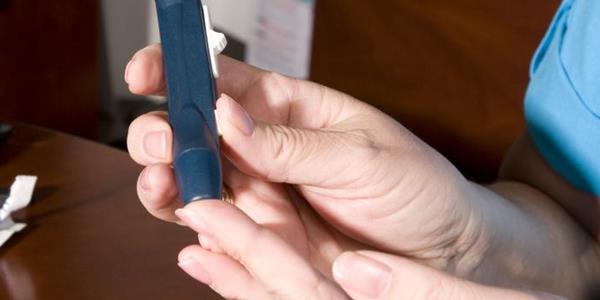
Image: PD

©2023 2 Minute Medicine, Inc. All rights reserved. No works may be reproduced without expressed written consent from 2 Minute Medicine, Inc. Inquire about licensing here. No article should be construed as medical advice and is not intended as such by the authors or by 2 Minute Medicine, Inc.


Tags: cardiologychronic diseasechronotypediabetesendocrinologyEvening chronotype
Previous Post

#VisualAbstract: Baricitinib is safe and effective for treatment of refractory juvenile idiopathic arthritis

Next Post

Adjuvant nivolumab may be promising for treatment of completely resected Merkel cell carcinoma

RelatedReports

Remote patient monitoring did not reduce heart failure readmissions: The BEAT-HF trial
Cardiology

A medical care at home program following hospitalization with acute decompensated heart failure may offer a safe and effective alternative to continued hospitalization

July 24, 2026
Rivaroxaban likely reduces risk of recurrent stroke in specific subgroup of patients with embolic stroke of undetermined source
Cardiology

Catheter ablation within 1 year of atrial fibrillation diagnosis is associated with reduced risk of recurrence

July 24, 2026
Remote patient monitoring did not reduce heart failure readmissions: The BEAT-HF trial
Weekly Rewinds

2 Minute Medicine Rewind July 20, 2026

July 20, 2026
Cost-related medication nonadherence associated with increased ED utilization
Pharma

Foundayo (Orforglipron) Approval Marks the Beginning of the Oral GLP-1 Era for Obesity Treatment

July 15, 2026
Next Post
Key predictors of recurrence and survival for Merkel Cell Carcinoma elucidated

Adjuvant nivolumab may be promising for treatment of completely resected Merkel cell carcinoma

Non-erosive gastro-oesophageal reflux disease not associated with increased incidence of oesophageal adenocarcinoma

Increased number of daily steps linked with decreased mortality in older women

Physical activity can improve sleep quality and sleep disorder outcomes

2 Minute Medicine® is an award winning, physician-run, expert medical media company. Our content is curated, written and edited by practicing health professionals who have clinical and scientific expertise in their field of reporting. Our editorial management team is comprised of highly-trained MD physicians. Join numerous brands, companies, and hospitals who trust our licensed content.

Recent Reports

  • Weight loss is associated with improved vascular function in patients with metabolic dysfunction-associated steatotic liver disease
  • Positive psychotherapy may be similarly effective to traditional cognitive behavioural therapy for panic disorder
  • Brain-predicted age difference may reliably predict dementia progression
License Content
Terms of Use | Disclaimer
Cookie Policy
Privacy Statement (EU)
Disclaimer
  • Specialties
    • All Specialties, All Recent Reports
    • Cardiology
    • Chronic Disease
    • Dermatology
    • Emergency
    • Endocrinology
    • Gastroenterology
    • Imaging and Intervention
    • Infectious Disease
    • Nephrology
    • Neurology
    • Obstetrics
    • Oncology
    • Ophthalmology
    • Pediatrics
    • Pharma
    • Preclinical
    • Psychiatry
    • Public Health
    • Pulmonology
    • Rheumatology
    • Surgery
  • Tools
    • EvidencePulse™
    • HypeCheck™
    • NPI Registry Lookup
    • RVU Search
  • Pharma
  • AI News
  • The Scan
  • Classics™
    • 2MM+ Online Access
    • Paperback and Ebook
  • Rewinds
  • Partners
    • License Content
    • Submit Press Release
    • Advertise with Us
  • Account
    • Subscribe
    • Sign-in
    • My account
No Result
View All Result

© 2026 2 Minute Medicine, Inc. - Physician-written medical news.