

• About
  • Masthead
  • License Content
  • Advertise
  • Submit Press Release
  • RSS/Email List
  • 2MM Podcast
  • Write for us
  • Contact Us
2 Minute Medicine
No Result
View All Result

No products in the cart.

SUBSCRIBE
  • About
  • Specialties
    • All Specialties, All Recent Reports
    • Cardiology
    • Chronic Disease
    • Dermatology
    • Emergency
    • Endocrinology
    • Gastroenterology
    • Imaging and Intervention
    • Infectious Disease
    • Nephrology
    • Neurology
    • Obstetrics
    • Oncology
    • Ophthalmology
    • Pediatrics
    • Pharma
    • Preclinical
    • Psychiatry
    • Public Health
    • Pulmonology
    • Rheumatology
    • Surgery
  • Tools+
    • EvidencePulse™
    • HypeCheck™
    • NPI Registry Lookup
    • RVU Search
  • Pharma
  • AI Roundup
  • The Scan+
  • Classics™+
    • 2MM+ Online Access
    • Paperback and Ebook
  • Rewinds
  • Partners
    • License Content
    • Submit Press Release
    • Advertise with Us
  • Account
    • Subscribe
    • My account
    • Cart
    • Sign-in
2 Minute Medicine
  • About
  • Specialties
    • All Specialties, All Recent Reports
    • Cardiology
    • Chronic Disease
    • Dermatology
    • Emergency
    • Endocrinology
    • Gastroenterology
    • Imaging and Intervention
    • Infectious Disease
    • Nephrology
    • Neurology
    • Obstetrics
    • Oncology
    • Ophthalmology
    • Pediatrics
    • Pharma
    • Preclinical
    • Psychiatry
    • Public Health
    • Pulmonology
    • Rheumatology
    • Surgery
  • Tools+
    • EvidencePulse™
    • HypeCheck™
    • NPI Registry Lookup
    • RVU Search
  • Pharma
  • AI Roundup
  • The Scan+
  • Classics™+
    • 2MM+ Online Access
    • Paperback and Ebook
  • Rewinds
  • Partners
    • License Content
    • Submit Press Release
    • Advertise with Us
  • Account
    • Subscribe
    • My account
    • Cart
    • Sign-in
SUBSCRIBE
2 Minute Medicine
Subscribe
EvidencePulse™ by 2 Minute Medicine 2026 evidence scan 3 reports You asked top stroke trials 2026 Synthesizing medical evidence... Top 2026 stroke trial results: OCEANIC — ischemic stroke: 6.2% vs 8.4% OPTION* — mRS 0–1: 43.6% vs 34.2% ORIENTAL* — mRS 0–2: 58.6% vs 46.6% *Higher sICH in intervention arms Participants randomizedN OCEANIC 12,327 OPTION 570 ORIENTAL 564 Ask about guidelines or landmark trials... ↑ Try EvidencePulse™ Ask the evidence.
Get the signal.
Try it now → Physician-trained medical AI by 2 Minute Medicine
Home All Specialties Obstetrics

Exercise improves aromatase inhibitor-induced arthralgia in breast cancer survivors
byMonica ParksandDavid Wang
December 6, 2014
in Obstetrics, Oncology
Reading Time: 3 mins read
Exercise improves aromatase inhibitor-induced arthralgia in breast cancer survivors
Share on FacebookShare on Twitter

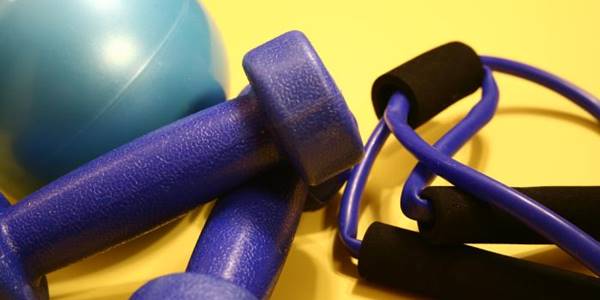
1. Aerobic and resistance exercise regimen improved arthralgia-related pain severity in breast cancer survivors on aromatase inhibitors compared to those on usual care.

Evidence Rating Level: 1 (Excellent)

Study Rundown: Aromatase inhibitors (AIs) are considered the first-line therapy for post-menopausal women with hormone receptor positive breast cancer. However, previous studies have demonstrated overall poor AI adherence and compliance, most commonly as a result of negative adverse effects associated with AIs, such as arthralgia. Given that early discontinuation of AIs represent an independent risk factor for mortality, interventions that improve AI adherence may provide significant benefit. The purpose of the HOPE (Hormones and Physical Exercise) trial was to investigate the effects of exercise intervention on AI-induced arthralgia in breast cancer patients.

The trial randomized breast cancer survivors experiencing AI-associated arthralgia to either an aerobic and resistance regimen or usual care. The primary outcome was subjective severity of symptoms and degree of disability at 12-month follow-up. At the conclusion of the trial, the authors demonstrated significant reductions in arthralgia severity in the exercise group compared to the usual care group, as measured by three different validated pain questionnaires. Significant improvements in pain scores were observed at 3 months, but the largest benefit occurred after 12 months of exercise. The strength of this trial were the randomized trial design and the high level of adherence in the exercise group. However, the main limitations of the trial were the use of specialized trainers in supervising patients in the exercise group, which may reduce external generalizability. Additional randomized trials are required to determine the specific effect of exercise on AI adherence and overall breast cancer survival.

Click to read the study in Journal of Clinical Oncology

Relevant Reading: Adherence to adjuvant hormonal therapy among breast cancer survivors in clinical practice: a systematic review.

RELATED REPORTS

Cognitive behaviour therapy may be superior to bright light therapy for insomnia in women with breast cancer undergoing chemotherapy

Tumour microenvironment factors may influence cancer progression and response to tamoxifen (Nolvadex) in patients with estrogen receptor-positive and human epidermal growth factor receptor 2 breast cancer

2 Minute Medicine Rewind August 10, 2026

In-Depth [randomized controlled trial]: This multi-center, non-blinded, randomized trial compared the effect of 12-month exercise intervention on AI-associated arthralgia versus usual care. Patients in the exercise intervention group underwent twice-per-week supervised resistance training and home-based aerobic exercise of 150 minutes per week. Eligible patients were physically inactive postmenopausal women diagnosed with hormone receptor-positive stage I to III breast cancer who had been on AIs for at least 6 months, and who had had mild to severe arthralgia for at least 2 months that began or worsened with AI use. Primary outcomes included arthralgia symptoms assessed by validated questionnaires (Brief Pain Inventory (BPI), Western Ontario and McMaster Universities Osteoarthritis index (WOMAC), and Disabilities of the Arm Shoulder, and Hand questionnaire (DASH)). A total of 121 women were recruited and randomized. After 12 months, the worst joint pain scores decreased by 1.6 points (29%) in the exercise group compared to a 0.2 point increase (3%) in the usual care group (p < 0.001), as measured by BPI. Similar results were observed in the DASH and WOMAC questionnaires. There was no significant difference in pain medication use or AI discontinuation, although trends favored the exercise group.

More from this author: Rituximab linked with reduced chronic immune disease following stem cell transplantation, High-dose prophylaxis for hemophilia increases costs with minimal benefit, Ambrisentan found ineffective against idiopathic pulmonary fibrosis

Image: PD

©2014 2 Minute Medicine, Inc. All rights reserved. No works may be reproduced without expressed written consent from 2 Minute Medicine, Inc. No article should be construed as medical advice and is not intended as such by the authors, editors, staff or by 2 Minute Medicine, Inc.

Tags: aromatase inhibitorBreast Cancerexercise
Previous Post

Adherence to a Mediterranean diet linked to longer telomere length

Next Post

Misoprostol not linked to peripartum asthma exacerbations

RelatedReports

Sleep duration, sleepiness, chronotype have variable associations with teen self-regulation
Chronic Disease

Cognitive behaviour therapy may be superior to bright light therapy for insomnia in women with breast cancer undergoing chemotherapy

September 3, 2026
Variability in interpretation of breast biopsy slides associated with low verification of atypia and ductal carcinoma in situ
Chronic Disease

Tumour microenvironment factors may influence cancer progression and response to tamoxifen (Nolvadex) in patients with estrogen receptor-positive and human epidermal growth factor receptor 2 breast cancer

August 13, 2026
Sleep duration, sleepiness, chronotype have variable associations with teen self-regulation
Weekly Rewinds

2 Minute Medicine Rewind August 10, 2026

August 10, 2026
Variability in interpretation of breast biopsy slides associated with low verification of atypia and ductal carcinoma in situ
Chronic Disease

A digital mental health intervention may improve anxiety in breast cancer survivors

July 31, 2026
Next Post
Dexamethasone shows comparable efficacy to prednisone/prednisolone in pediatric asthma

Misoprostol not linked to peripartum asthma exacerbations

Type I diabetes not associated with early menopause [OVADIA study]

Type I diabetes not associated with early menopause [OVADIA study]

Buccal administration of dextrose gel effective for neonatal hypoglycemia

Many NICU deaths associated with potentially modifiable factors

EvidencePulse™ by 2 Minute Medicine 2026 evidence scan 3 reports You asked top stroke trials 2026 Synthesizing medical evidence... Top 2026 stroke trial results: OCEANIC — ischemic stroke: 6.2% vs 8.4% OPTION* — mRS 0–1: 43.6% vs 34.2% ORIENTAL* — mRS 0–2: 58.6% vs 46.6% *Higher sICH in intervention arms Participants randomizedN OCEANIC 12,327 OPTION 570 ORIENTAL 564 Ask about guidelines or landmark trials... ↑ Try EvidencePulse™ Ask the evidence.
Get the signal.
Try it now → Physician-trained medical AI by 2 Minute Medicine

2MM+ All Access

Full details →
$4.99 /month

5-day free trial · cancel anytime

  • ✓100+ physician-written reports
  • ✓EvidencePulse™ + HypeCheck™
  • ✓Ad-free reading + newsletters
Start 5-day free trial

Then $4.99/month. Manage renewal in your account.

2 Minute Medicine® is an award winning, physician-run, expert medical media company. Our content is curated, written and edited by practicing health professionals who have clinical and scientific expertise in their field of reporting. Our editorial management team is comprised of highly-trained MD physicians. Join numerous brands, companies, and hospitals who trust our licensed content.

Recent Reports

  • Daraxonrasib extends survival in metastatic pancreatic cancer
  • Artificial intelligence (AI) scribes showed mixed effects on documentation time and improvements in physician well-being
  • A lower threshold for referral to the emergency department for outpatient hyperkalemia may reduce mortality
License Content
Terms of Use | Disclaimer
Cookie Policy
Cleantalk Pixel
2MM+ All Access Full details →

The medical literature, distilled daily.

Monthly plan selected: $4.99 /month.

$4.99/month

5-day free trial · cancel anytime

Start 5-day free trial

Then $4.99/month. Manage renewal in your account.

Yearly plan selected: $49.90 /year.

$49.90/year

2 months free · only $4.16/month

Start 5-day free trial

Then $49.90/year. Manage renewal in your account.

Membership benefits

  • ✓100+ physician-written reports
  • ✓AI EvidencePulse™ + HypeCheck™
  • ✓Ad-free reading + newsletters

Already a member? Sign in

  • About
  • Specialties
    • All Specialties, All Recent Reports
    • Cardiology
    • Chronic Disease
    • Dermatology
    • Emergency
    • Endocrinology
    • Gastroenterology
    • Imaging and Intervention
    • Infectious Disease
    • Nephrology
    • Neurology
    • Obstetrics
    • Oncology
    • Ophthalmology
    • Pediatrics
    • Pharma
    • Preclinical
    • Psychiatry
    • Public Health
    • Pulmonology
    • Rheumatology
    • Surgery
  • Tools
    • EvidencePulse™
    • HypeCheck™
    • NPI Registry Lookup
    • RVU Search
  • Pharma
  • AI Roundup
  • The Scan
  • Classics™
    • 2MM+ Online Access
    • Paperback and Ebook
  • Rewinds
  • Partners
    • License Content
    • Submit Press Release
    • Advertise with Us
  • Account
    • Subscribe
    • My account
    • Cart
    • Sign-in
No Result
View All Result

© 2026 2 Minute Medicine, Inc. - Physician-written medical news.