• About
  • Masthead
  • License Content
  • Advertise
  • Submit Press Release
  • RSS/Email List
  • 2MM Podcast
  • Write for us
  • Contact Us
2 Minute Medicine
No Result
View All Result

No products in the cart.

SUBSCRIBE
  • About
  • Specialties
    • All Specialties, All Recent Reports
    • Cardiology
    • Chronic Disease
    • Dermatology
    • Emergency
    • Endocrinology
    • Gastroenterology
    • Imaging and Intervention
    • Infectious Disease
    • Nephrology
    • Neurology
    • Obstetrics
    • Oncology
    • Ophthalmology
    • Pediatrics
    • Pharma
    • Preclinical
    • Psychiatry
    • Public Health
    • Pulmonology
    • Rheumatology
    • Surgery
  • Tools+
    • EvidencePulse™
    • HypeCheck™
    • NPI Registry Lookup
    • RVU Search
  • Pharma
  • AI Roundup
  • The Scan+
  • Classics™+
    • 2MM+ Online Access
    • Paperback and Ebook
  • Rewinds
  • Partners
    • License Content
    • Submit Press Release
    • Advertise with Us
  • Account
    • Subscribe
    • My account
    • Cart
    • Sign-in
2 Minute Medicine
  • About
  • Specialties
    • All Specialties, All Recent Reports
    • Cardiology
    • Chronic Disease
    • Dermatology
    • Emergency
    • Endocrinology
    • Gastroenterology
    • Imaging and Intervention
    • Infectious Disease
    • Nephrology
    • Neurology
    • Obstetrics
    • Oncology
    • Ophthalmology
    • Pediatrics
    • Pharma
    • Preclinical
    • Psychiatry
    • Public Health
    • Pulmonology
    • Rheumatology
    • Surgery
  • Tools+
    • EvidencePulse™
    • HypeCheck™
    • NPI Registry Lookup
    • RVU Search
  • Pharma
  • AI Roundup
  • The Scan+
  • Classics™+
    • 2MM+ Online Access
    • Paperback and Ebook
  • Rewinds
  • Partners
    • License Content
    • Submit Press Release
    • Advertise with Us
  • Account
    • Subscribe
    • My account
    • Cart
    • Sign-in
SUBSCRIBE
2 Minute Medicine
Subscribe
Home All Specialties Cardiology

Finerenone may lower risk of chronic kidney disease progression and cardiovascular events
byHarsh ShahandDeepti Shroff
November 16, 2020
in Cardiology, Chronic Disease, Endocrinology, Nephrology
Reading Time: 3 mins read
Solitary kidney not associated with contrast-induced nephropathy
Share on FacebookShare on Twitter

1. Finerenone treatment lowered the risk of chronic kidney disease (CKD) progression in patients diagnosed with type 2 diabetes and advanced CKD.

2. Treatment with finerenone also lowered the risk of cardiovascular events in patients diagnosed with type 2 diabetes and advanced CKD.

Evidence Rating Level: 1 (Excellent)

Study Rundown: The leading cause of chronic kidney disease (CKD) is type 2 diabetes. Guidelines suggest that the management of CKD in patients diagnosed with type 2 diabetes should include controlling hypertension, hyperglycemia, and the use of a renin-angiotensin system (RAS) blocker. However, despite these recommendations, these patients still possess the risk of CKD progression. A new treatment using finerenone, a nonsteroidal, selective mineralcorticoid receptor antagonist, can reduce urinary albumin-to-creatinine ratio in patients with CKD previously treated with a RAS blocker. As such, this study tested the efficacy of finerenone to slow CKD progression and reduce cardiovascular events in patients diagnosed with advanced CKD and type 2 diabetes. The study concluded that finerenone treatment lowered the risk of CKD progression and cardiovascular events within the treated population. The randomized control trial was limited by the racial demographics of the study population. Since less than 5% of participants identified themselves as Black, the generalizability of the results is restricted. Nonetheless, this study’s results are significant, and its findings highlight the benefit of a therapy to preserve kidney function.

Click to read the study in NEJM

Relevant Reading: Canagliflozin and Renal Outcomes in Type 2 Diabetes and Nephropathy

RELATED REPORTS

2MM: AI Roundup: NHS England expands Microsoft Copilot nationwide, ARPA-H advances autonomous cardiovascular AI, FDA advisors back Moderna’s mRNA influenza vaccine, and UpDoc earns first clearance for a patient-facing large language model

Duodenal-jejunal bypass liners may improve glycemic control in patients with diabetes

Telehealth yields modest improvements in diabetes outcomes 

In-Depth [randomized controlled trial]: This randomized control trial enrolled 5,734 participants in a multicenter study in 48 countries. Participants included in the study were ≥18 years of age, diagnosed with type 2 diabetes and CKD, and treated with a RAS inhibitor at the maximum dose. Participants with a serum potassium level greater than 4.8 mmol per liter were excluded from this study. The participants were randomized in a 1:1 ratio to receive oral, 20 mg, once daily dose of finerenone or placebo, respectively. The primary end point was a composite of kidney failure, sustained estimated glomerular filtration rate (eGFR) decrease of at least 40% for at least 4 weeks, or death from renal causes. Kidney failure was defined as end-stage kidney disease or and eGFR of less than 15 mL per minute per 1.73m2. The median follow-up for the trial was 2.6 years, but 822 participants in the finerenone group (29.0%) and 801 participants in the control group (28.2%) discontinued the trial regimen. The incidence of the primary end point occurred in 504 participants in the finerenone group (17.8%) compared to 600 participants in the control group (21.1%). The incidence of the primary end point was significantly lower in the finerenone group compared to the placebo group (hazard ratio, 0.82; 95% confidence interval [CI], 0.73 to 0.93; P=0.001). The absolute between-group difference was 3.4 percentage points (95% CI, 0.6 to 6.2), and the number of participants requiring finerenone treatment to prevent one primary outcome was 29 (95% CI, 16 to 166). Additionally, death from cardiovascular causes, nonfatal myocardial infarctions, nonfatal stroke, or hospitalization for heart failure occurred in 367 participants in the finerenone group (13.0%) compared to 420 participants in the placebo group (14.8%). The risk for cardiovascular events was significantly lower in the finerenone group compared to the control group (hazard ratio, 0.86; 95% CI, 0.75 to 0.99; P=0.03). Finally, the serious adverse events incidence was similar between both groups (finerenone group, 31.9%; placebo group, 34.3%). Specifically, hyperkalemia-related adverse events were twice as frequent in the finerenone group (18.3%) compared to the placebo group (9.0%), and the frequency of hyperkalemia leading to treatment discontinuation was higher in the finerenone group (2.3%) compared to the placebo group (0.9%). Taken together, finerenone treatment lowered the risk of CKD progression and cardiovascular events in participants diagnosed with type 2 diabetes and advanced CKD.

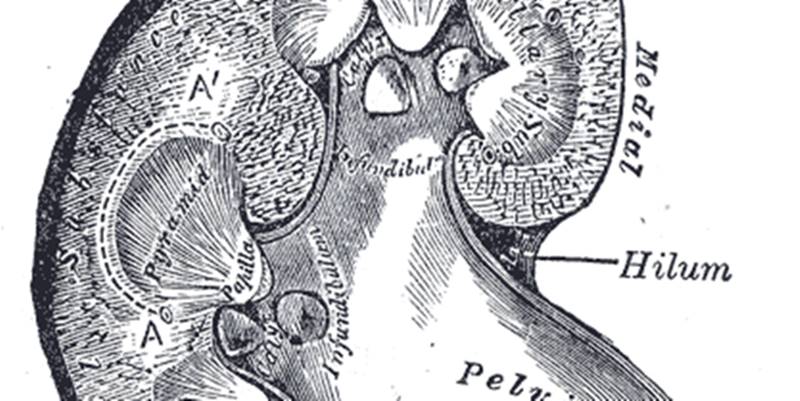
Image: PD

©2020 2 Minute Medicine, Inc. All rights reserved. No works may be reproduced without expressed written consent from 2 Minute Medicine, Inc. Inquire about licensing here. No article should be construed as medical advice and is not intended as such by the authors or by 2 Minute Medicine, Inc.

Tags: cardiovascular diseasechronic kidney disease (CKD)diabetes mellitusfinerenone
Previous Post

Comparison of life and healthy life expectancies between IBD patients and the general population

Next Post

#Visual Abstract: Association between anticoagulation, bleeding, and subsequent cancer diagnoses for patients with atrial fibrillation

RelatedReports

Collage of medical tech icons circling a central chip with 'AI Roundup' title and 2 Minute Medicine logo in teal background.
AI Roundup

2MM: AI Roundup: NHS England expands Microsoft Copilot nationwide, ARPA-H advances autonomous cardiovascular AI, FDA advisors back Moderna’s mRNA influenza vaccine, and UpDoc earns first clearance for a patient-facing large language model

September 3, 2026
Surgery

Duodenal-jejunal bypass liners may improve glycemic control in patients with diabetes

July 16, 2026
Chronic Disease

Telehealth yields modest improvements in diabetes outcomes 

June 22, 2026
Food environment associated with gestational diabetes
Chronic Disease

Tirzepatide improves blood sugar control in metformin-refractory type 2 diabetes

May 25, 2026
Next Post
#VisualAbstract: Adjuvant radiotherapy may worsen outcomes compared to salvage radiotherapy post radical prostatectomy

#Visual Abstract: Association between anticoagulation, bleeding, and subsequent cancer diagnoses for patients with atrial fibrillation

Initial data on the viability of SARS-CoV-2 in aerosol and on surfaces

Higher SARS-CoV-2 antibody titers in patients hospitalized with MIS-C

Compliance-linked incentives increase infant immunizations rates in rural India

RSV vaccination in third trimester associated with significantly reduced infection risk in early months of life

EvidencePulse™ by 2 Minute Medicine 2026 evidence scan 3 reports You asked top stroke trials 2026 Synthesizing medical evidence... Top 2026 stroke trial results: OCEANIC — ischemic stroke: 6.2% vs 8.4% OPTION* — mRS 0–1: 43.6% vs 34.2% ORIENTAL* — mRS 0–2: 58.6% vs 46.6% *Higher sICH in intervention arms Participants randomizedN OCEANIC 12,327 OPTION 570 ORIENTAL 564 Ask about guidelines or landmark trials... ↑ Try EvidencePulse™ Ask the evidence.
Get the signal.
Try it now → Physician-trained medical AI by 2 Minute Medicine

2MM+ All Access

Full details →
$4.99 /month

5-day free trial · cancel anytime

  • ✓100+ physician-written reports
  • ✓EvidencePulse™ + HypeCheck™
  • ✓Ad-free reading + newsletters
Start 5-day free trial

Then $4.99/month. Manage renewal in your account.

2 Minute Medicine® is an award winning, physician-run, expert medical media company. Our content is curated, written and edited by practicing health professionals who have clinical and scientific expertise in their field of reporting. Our editorial management team is comprised of highly-trained MD physicians. Join numerous brands, companies, and hospitals who trust our licensed content.

Recent Reports

  • Earlier Genetic Testing Predicts Bilateral Mastectomy in Young BRCA Carriers
  • Uterine-Sparing Mesh Repair Outperforms Hysterectomy for Prolapse
  • Daraxonrasib showed antitumor activity in previously treated RAS-mutant non–small-cell lung cancer
License Content
Terms of Use | Disclaimer
Cookie Policy
Cleantalk Pixel
  • About
  • Specialties
    • All Specialties, All Recent Reports
    • Cardiology
    • Chronic Disease
    • Dermatology
    • Emergency
    • Endocrinology
    • Gastroenterology
    • Imaging and Intervention
    • Infectious Disease
    • Nephrology
    • Neurology
    • Obstetrics
    • Oncology
    • Ophthalmology
    • Pediatrics
    • Pharma
    • Preclinical
    • Psychiatry
    • Public Health
    • Pulmonology
    • Rheumatology
    • Surgery
  • Tools
    • EvidencePulse™
    • HypeCheck™
    • NPI Registry Lookup
    • RVU Search
  • Pharma
  • AI Roundup
  • The Scan
  • Classics™
    • 2MM+ Online Access
    • Paperback and Ebook
  • Rewinds
  • Partners
    • License Content
    • Submit Press Release
    • Advertise with Us
  • Account
    • Subscribe
    • My account
    • Cart
    • Sign-in
No Result
View All Result

© 2026 2 Minute Medicine, Inc. - Physician-written medical news.

2MM+ All Access Full details →

The medical literature, distilled daily.

Monthly plan selected: $4.99 /month.

$4.99/month

5-day free trial · cancel anytime

Start 5-day free trial

Then $4.99/month. Manage renewal in your account.

Yearly plan selected: $49.90 /year.

$49.90/year

2 months free · only $4.16/month

Start 5-day free trial

Then $49.90/year. Manage renewal in your account.

Membership benefits

  • ✓100+ physician-written reports
  • ✓AI EvidencePulse™ + HypeCheck™
  • ✓Ad-free reading + newsletters

Already a member? Sign in