• About
  • Masthead
  • License Content
  • Advertise
  • Submit Press Release
  • RSS/Email List
  • 2MM Podcast
  • Write for us
  • Contact Us
2 Minute Medicine
No Result
View All Result

No products in the cart.

SUBSCRIBE
  • About
  • Specialties
    • All Specialties, All Recent Reports
    • Cardiology
    • Chronic Disease
    • Dermatology
    • Emergency
    • Endocrinology
    • Gastroenterology
    • Imaging and Intervention
    • Infectious Disease
    • Nephrology
    • Neurology
    • Obstetrics
    • Oncology
    • Ophthalmology
    • Pediatrics
    • Pharma
    • Preclinical
    • Psychiatry
    • Public Health
    • Pulmonology
    • Rheumatology
    • Surgery
  • Tools+
    • EvidencePulse™
    • HypeCheck™
    • NPI Registry Lookup
    • RVU Search
  • Pharma
  • AI Roundup
  • The Scan+
  • Classics™+
    • 2MM+ Online Access
    • Paperback and Ebook
  • Rewinds
  • Partners
    • License Content
    • Submit Press Release
    • Advertise with Us
  • Account
    • Subscribe
    • My account
    • Cart
    • Sign-in
2 Minute Medicine
  • About
  • Specialties
    • All Specialties, All Recent Reports
    • Cardiology
    • Chronic Disease
    • Dermatology
    • Emergency
    • Endocrinology
    • Gastroenterology
    • Imaging and Intervention
    • Infectious Disease
    • Nephrology
    • Neurology
    • Obstetrics
    • Oncology
    • Ophthalmology
    • Pediatrics
    • Pharma
    • Preclinical
    • Psychiatry
    • Public Health
    • Pulmonology
    • Rheumatology
    • Surgery
  • Tools+
    • EvidencePulse™
    • HypeCheck™
    • NPI Registry Lookup
    • RVU Search
  • Pharma
  • AI Roundup
  • The Scan+
  • Classics™+
    • 2MM+ Online Access
    • Paperback and Ebook
  • Rewinds
  • Partners
    • License Content
    • Submit Press Release
    • Advertise with Us
  • Account
    • Subscribe
    • My account
    • Cart
    • Sign-in
SUBSCRIBE
2 Minute Medicine
Subscribe
EvidencePulse™ by 2 Minute Medicine 2026 evidence scan 3 reports You asked top stroke trials 2026 Synthesizing medical evidence... Top 2026 stroke trial results: OCEANIC — ischemic stroke: 6.2% vs 8.4% OPTION* — mRS 0–1: 43.6% vs 34.2% ORIENTAL* — mRS 0–2: 58.6% vs 46.6% *Higher sICH in intervention arms Participants randomizedN OCEANIC 12,327 OPTION 570 ORIENTAL 564 Ask about guidelines or landmark trials... ↑ Try EvidencePulse™ Ask the evidence.
Get the signal.
Try it now → Physician-trained medical AI by 2 Minute Medicine
Home All Specialties Chronic Disease

Frexalimab CD40L inhibition slows the progression of multiple sclerosis
byJayden BerdugoandKiera Liblik
March 6, 2024
in Chronic Disease, Neurology
Reading Time: 3 mins read
Share on FacebookShare on Twitter

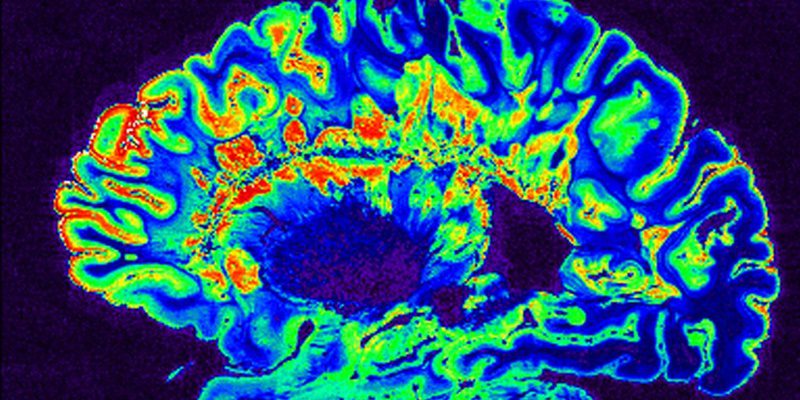
1. In this randomized controlled trial, multiple sclerosis patients who received frexalimab had fewer new gadolinium-enhancing T1 lesions compared to placebo groups.

2. Immune responses that are typically higher in multiple sclerosis patients were reduced in the participants taking frexalimab.

Evidence Rating Level: 1 (Excellent)

Study Rundown: The initiation of the adaptive and innate immune responses is regulated by the CD40-CD40L pathway. Throughout many studies on the CD40-CD40L pathway, it has been shown that it induces CD40L expression. Previous studies have also found genetic associations between a single-nucleotide polymorphism on CD40 and the risk of multiple sclerosis. The drug of interest, frexalimab, is a second-generation anti-CD40L IgG1 monoclonal antibody. Frexalimab has been Fc-engineered, allowing it to evade platelet aggregation normally triggered by Fc𝛾RIIa stimulation, thus overcoming the risk of thromboembolism. The trial consisted of a two-part study; the first was a double-blind, randomized- control, and the second was an open-label extension period. One biomarker of neuroaxonal damage in multiple sclerosis is plasma levels of NfL, which were lowered in patients treated with frexalimab. Plasma levels of CXCL13, an inflammatory activity, were also decreased in participants who received frexalimab, while they were increased in patients with active multiple sclerosis. The study was limited by the small sample size, the short length of time of the double-blind period, and the use of imaging endpoints for the main analyses. Overall, at week 12 of the trial, compared to week eight, treatment with frexalimab had a favorable effect, decreasing the number of new gadolinium-enhancing T1-weighted lesions when compared to the placebo.

Click here to read the study in the NEJM

In-Depth [randomized controlled trial]: This was a randomized controlled trial assessing the impact of frexalimab on the progression of multiple sclerosis. To be eligible for the study, individuals needed to be between the ages of 18 to 55 years, have a diagnosis of relapsing multiple sclerosis, have at least one relapse within the previous year, at least two relapses within the previous two years, or at least one active gadolinium-enhancing lesion during the six months before screening. Exclusion criteria included a diagnosis of primary or nonrelapsing progressive multiple sclerosis, currently receiving therapy for multiple sclerosis, relapse 30 days before randomization, pregnancy, use of certain medications, and any clinical condition that could adversely affect their participation. Participants were assigned to a 4:4:1:1 ratio, receiving 1200 mg of intravenous frexalimab every four weeks, 300 mg of subcutaneous frexalimab every two weeks, placebo administered intravenously, or placebo administered subcutaneously. The study took place between June 7, 2021, and September 21, 2022, and included 129 participants who matched the eligibility criteria, and 125 (97%) completed the double-blind period. Of the participants, 52 were assigned to receive 1200 mg frexalimab intravenously, 51 were assigned to receive 300 mg frexalimab subcutaneously, 12 were assigned to receive placebo intravenously, and 14 were assigned to receive the placebo subcutaneously. At week 12, the T1-weighted lesions were 0.2 (95% Confidence Interval [CI], 0.1 to 0.4) in the group receiving 1200 mg frexalimab, 0.3 (95% CI, 0.1 to 0.6) in the group receiving 300 mg frexalimab, compared to 1.4 (95% CI, 0.6 to 3.0) in the combined placebo groups. When compared to the placebo, the rate ratios from the model were 0.11 (95% CI, 0.03 to 0.38) in the 1200 mg group and 0.21 (95% CI, 0.08 to 0.56) in the 300 mg group. Overall, using frexalimab to inhibit CD40L in those with multiple sclerosis over 12 weeks showed fewer gadolinium-enhancing T-1 weighted lesions relative to the control group.

RELATED REPORTS

One in four National Football League (NFL) players who died between 2016-2021 had evidence of chronic traumatic encephalopathy

Brain-predicted age difference may reliably predict dementia progression

Diffusion-weighted imaging may aid in prognostication for intracerebral hemorrhage

Image: PD

©2024 2 Minute Medicine, Inc. All rights reserved. No works may be reproduced without expressed written consent from 2 Minute Medicine, Inc. Inquire about licensing here. No article should be construed as medical advice and is not intended as such by the authors or by 2 Minute Medicine, Inc.


Tags: CD40L inhibitionchronic diseaseFrexalimabgadolinium-enhancing T1 lesionsmultiple sclerosisneurology
Previous Post

Metabolic-dysfunction associated steatotic liver disease likely increases risk of dementia

Next Post

Surgical remission of Cushing’s disease associated with higher rates of autoimmune disorders

RelatedReports

Chronic Disease

One in four National Football League (NFL) players who died between 2016-2021 had evidence of chronic traumatic encephalopathy

August 27, 2026
Chronic Disease

Brain-predicted age difference may reliably predict dementia progression

August 19, 2026
No difference in mortality for intensive versus standard reduction in blood pressure in intracerebral hemorrhage: The ATACH-2 trial
Emergency

Diffusion-weighted imaging may aid in prognostication for intracerebral hemorrhage

August 18, 2026
Low free sugar diet reduces hepatic steatosis in nonalcoholic fatty liver disease in adolescent males
Weekly Rewinds

2 Minute Medicine Rewind August 17, 2026

August 17, 2026
Next Post
Post-surgical wound complications more common in obese ovarian cancer patients

Surgical remission of Cushing’s disease associated with higher rates of autoimmune disorders

Provision of medically-tailored meals linked with lower admissions and medical spending

Higher quality plant-based diets are associated with less hip fractures than unhealthy ones

Galcanezumab reduces the frequency of episodic cluster headaches

Wellness Check: Mental Health

EvidencePulse™ by 2 Minute Medicine 2026 evidence scan 3 reports You asked top stroke trials 2026 Synthesizing medical evidence... Top 2026 stroke trial results: OCEANIC — ischemic stroke: 6.2% vs 8.4% OPTION* — mRS 0–1: 43.6% vs 34.2% ORIENTAL* — mRS 0–2: 58.6% vs 46.6% *Higher sICH in intervention arms Participants randomizedN OCEANIC 12,327 OPTION 570 ORIENTAL 564 Ask about guidelines or landmark trials... ↑ Try EvidencePulse™ Ask the evidence.
Get the signal.
Try it now → Physician-trained medical AI by 2 Minute Medicine

2MM+ All Access

Full details →
$4.99 /month

5-day free trial · cancel anytime

  • ✓100+ physician-written reports
  • ✓EvidencePulse™ + HypeCheck™
  • ✓Ad-free reading + newsletters
Start 5-day free trial

Then $4.99/month. Manage renewal in your account.

2 Minute Medicine® is an award winning, physician-run, expert medical media company. Our content is curated, written and edited by practicing health professionals who have clinical and scientific expertise in their field of reporting. Our editorial management team is comprised of highly-trained MD physicians. Join numerous brands, companies, and hospitals who trust our licensed content.

Recent Reports

  • Alcohol use declines but remains above pre-pandemic levels
  • High maternal egg-peanut intake not associated with reduced infant allergy
  • The rotavirus vaccine (ROTASIIL) may reduce the incidence of hospitalization for rotavirus gastroenteritis in children
License Content
Terms of Use | Disclaimer
Cookie Policy
Cleantalk Pixel
2MM+ All Access Full details →

The medical literature, distilled daily.

Monthly plan selected: $4.99 /month.

$4.99/month

5-day free trial · cancel anytime

Start 5-day free trial

Then $4.99/month. Manage renewal in your account.

Yearly plan selected: $49.90 /year.

$49.90/year

2 months free · only $4.16/month

Start 5-day free trial

Then $49.90/year. Manage renewal in your account.

Membership benefits

  • ✓100+ physician-written reports
  • ✓AI EvidencePulse™ + HypeCheck™
  • ✓Ad-free reading + newsletters

Already a member? Sign in

  • About
  • Specialties
    • All Specialties, All Recent Reports
    • Cardiology
    • Chronic Disease
    • Dermatology
    • Emergency
    • Endocrinology
    • Gastroenterology
    • Imaging and Intervention
    • Infectious Disease
    • Nephrology
    • Neurology
    • Obstetrics
    • Oncology
    • Ophthalmology
    • Pediatrics
    • Pharma
    • Preclinical
    • Psychiatry
    • Public Health
    • Pulmonology
    • Rheumatology
    • Surgery
  • Tools
    • EvidencePulse™
    • HypeCheck™
    • NPI Registry Lookup
    • RVU Search
  • Pharma
  • AI Roundup
  • The Scan
  • Classics™
    • 2MM+ Online Access
    • Paperback and Ebook
  • Rewinds
  • Partners
    • License Content
    • Submit Press Release
    • Advertise with Us
  • Account
    • Subscribe
    • My account
    • Cart
    • Sign-in
No Result
View All Result

© 2026 2 Minute Medicine, Inc. - Physician-written medical news.