• About
  • Masthead
  • License Content
  • Advertise
  • Submit Press Release
  • RSS/Email List
  • 2MM Podcast
  • Write for us
  • Contact Us
2 Minute Medicine
No Result
View All Result

No products in the cart.

SUBSCRIBE
  • Specialties
    • All Specialties, All Recent Reports
    • Cardiology
    • Chronic Disease
    • Dermatology
    • Emergency
    • Endocrinology
    • Gastroenterology
    • Imaging and Intervention
    • Infectious Disease
    • Nephrology
    • Neurology
    • Obstetrics
    • Oncology
    • Ophthalmology
    • Pediatrics
    • Pharma
    • Preclinical
    • Psychiatry
    • Public Health
    • Pulmonology
    • Rheumatology
    • Surgery
  • Tools
    • EvidencePulse™
    • RVU Search
    • NPI Registry Lookup
  • Pharma
  • AI News
  • The Scan+
  • Classics™+
    • 2MM+ Online Access
    • Paperback and Ebook
  • Rewinds
  • Partners
    • License Content
    • Submit Press Release
    • Advertise with Us
  • Account
    • Subscribe
    • Sign-in
    • My account
2 Minute Medicine
  • Specialties
    • All Specialties, All Recent Reports
    • Cardiology
    • Chronic Disease
    • Dermatology
    • Emergency
    • Endocrinology
    • Gastroenterology
    • Imaging and Intervention
    • Infectious Disease
    • Nephrology
    • Neurology
    • Obstetrics
    • Oncology
    • Ophthalmology
    • Pediatrics
    • Pharma
    • Preclinical
    • Psychiatry
    • Public Health
    • Pulmonology
    • Rheumatology
    • Surgery
  • Tools
    • EvidencePulse™
    • RVU Search
    • NPI Registry Lookup
  • Pharma
  • AI News
  • The Scan+
  • Classics™+
    • 2MM+ Online Access
    • Paperback and Ebook
  • Rewinds
  • Partners
    • License Content
    • Submit Press Release
    • Advertise with Us
  • Account
    • Subscribe
    • Sign-in
    • My account
SUBSCRIBE
2 Minute Medicine
Subscribe
Home All Specialties Cardiology

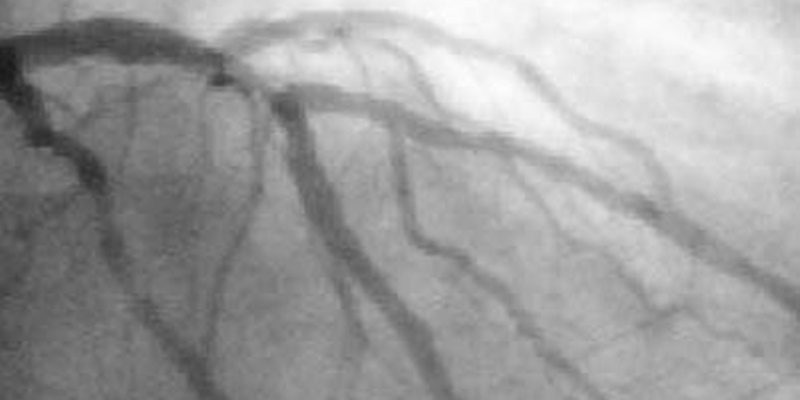
Immediate revascularization reduces myocardial infarction rates compared to staged revascularization in multivessel coronary disease
byNeel MistryandTeddy Guo
April 19, 2023
in Cardiology, Chronic Disease, Emergency
Reading Time: 2 mins read
0
Share on FacebookShare on Twitter

1. The immediate revascularization group met the noninferiority criteria for the primary composite outcome, but superiority at the 1-year follow-up was not met.

2. A marked reduction in myocardial infarction was noted in the immediate revascularization group compared to the staged revascularization group.

Evidence Rating Level: 1 (Excellent)

Study Rundown: In patients with acute coronary syndrome due to multivessel disease, guidelines suggest that complete revascularization yields a greater benefit as opposed to exclusive reperfusion of the infarct-related artery. However, the appropriate timing to treat non-culprit lesions remains unclear. This randomized controlled trial aimed to compare clinical outcomes in patients who underwent immediate revascularization and staged revascularization for multivessel acute coronary syndrome. The primary outcome was a composite of all-cause mortality, myocardial infarction, and unplanned revascularization. According to study results, immediate revascularization was non-inferior to staged revascularization for the primary composite outcome. Those who received immediate revascularization demonstrated lower rates of myocardial infarctions and unplanned ischemia-driven revascularization events. Although this study was well done, it did not compare clinical outcomes between patients who underwent immediate revascularization versus no revascularization to assess the safety and efficacy of this novel procedure.

Click to read the study in The Lancet

Relevant Reading: Percutaneous Revascularization for Ischemic Left Ventricular Dysfunction

RELATED REPORTS

Two scores for risk stratification of adults presenting with syncope may be effective at identifying those with low risk

Resuscitative endovascular balloon occlusion of the aorta may not improve outcomes in adults with non-traumatic out-of-hospital cardiac arrest

Invasive management for non-ST-segment elevation myocardial infarction in frail patients may not improve mortality

In-depth [randomized-controlled trial]: Between Jun 26, 2018, and Oct 21, 2021, 1525 patients were assessed for eligibility at 29 hospitals across 4 countries. Included were patients aged ≥ 18 years with ST-segment elevated myocardial infarction (STEMI) or non-ST-segment elevated myocardial infarction (NSTEMI) and multivessel coronary artery disease using an identifiable culprit artery. Altogether, 764 patients in the immediate revascularization group and 761 patients in the complete revascularization group were included in the final analysis. The primary composite of all-cause mortality, myocardial infarction, and revascularization was non-inferior in the immediate revascularization group (7.6% vs. 9.4%, hazard ratio [HR] 0.78, 95% confidence interval [CI] 0.55-1.11, P for non-inferiority=0.0011) compared to staged revascularization, respectively. There were marked reductions in rates of myocardial infarction (1.9% vs. 4.5%, HR 0.41, 95% CI 0.22-0.76, p=0.0045) and unplanned reperfusion (4.2% vs. 6.7%, HR 0.61, 95% CI 0.39-0.95, p=0.030) in the immediate versus staged revascularization groups, respectively. Findings from this study recommend the clinical use of immediate revascularization for the treatment of patients with multivessel disease-associated acute coronary syndrome.

Image: PD

©2023 2 Minute Medicine, Inc. All rights reserved. No works may be reproduced without expressed written consent from 2 Minute Medicine, Inc. Inquire about licensing here. No article should be construed as medical advice and is not intended as such by the authors or by 2 Minute Medicine, Inc.

Tags: acute coronary syndrome (ACS)AngioplastycardiologyCoronary artery diseasemultivessel diseasemyocardial infarctionnstemipercutaneous coronary intervention (PCI)STEMI
Previous Post

Parathyroidectomy does not impact renal function in adults with primary hyperparathyroidism

Next Post

State supplemental nutrition assistance program helps reduce mental illness and suicidality

RelatedReports

Computed tomography improves diagnostic certainty in the emergency department
Cardiology

Two scores for risk stratification of adults presenting with syncope may be effective at identifying those with low risk

May 29, 2026
Antiarrhythmic drugs have no survival benefit in shock-refractory out-of-hospital cardiac arrest
Cardiology

Resuscitative endovascular balloon occlusion of the aorta may not improve outcomes in adults with non-traumatic out-of-hospital cardiac arrest

May 14, 2026
PCI not superior to medical therapy alone in stable coronary disease: The COURAGE study
Cardiology

Invasive management for non-ST-segment elevation myocardial infarction in frail patients may not improve mortality

April 30, 2026
Novel coronavirus identified from patients with pneumonia in Wuhan, China
Cardiology

COVID-19 vaccination is associated with reduced risk of new-onset atrial fibrillation following COVID-19 infection

April 29, 2026
Next Post
Higher pre-pregnancy BMI linked to adverse adolescent cardio-metabolic profile

State supplemental nutrition assistance program helps reduce mental illness and suicidality

High incidence of cognitive impairment associated with colorectal cancer

Wellness Check: Spirituality

#VisualAbstract: Etrasimod improves clinical remission rates in patients with moderate-severe ulcerative colitis

#VisualAbstract: Etrasimod improves clinical remission rates in patients with moderate-severe ulcerative colitis

2 Minute Medicine® is an award winning, physician-run, expert medical media company. Our content is curated, written and edited by practicing health professionals who have clinical and scientific expertise in their field of reporting. Our editorial management team is comprised of highly-trained MD physicians. Join numerous brands, companies, and hospitals who trust our licensed content.

Recent Reports

  • Why Pfizer Is Looking East for Its Next Generation of Cancer Drugs
  • 2MM: Pharma Roundup – Pfizer’s $10.5B Innovent oncology partnership, Guselkumab (Tremfya) gains a broader psoriatic arthritis label, Venetoclax (Venclyxto) expands first-line CLL options, and Seladelpar (Livdelzi) advances in primary biliary cholangitis
  • Two scores for risk stratification of adults presenting with syncope may be effective at identifying those with low risk
License Content
Terms of Use | Disclaimer
Cookie Policy
Privacy Statement (EU)
Disclaimer
  • Specialties
    • All Specialties, All Recent Reports
    • Cardiology
    • Chronic Disease
    • Dermatology
    • Emergency
    • Endocrinology
    • Gastroenterology
    • Imaging and Intervention
    • Infectious Disease
    • Nephrology
    • Neurology
    • Obstetrics
    • Oncology
    • Ophthalmology
    • Pediatrics
    • Pharma
    • Preclinical
    • Psychiatry
    • Public Health
    • Pulmonology
    • Rheumatology
    • Surgery
  • Tools
    • EvidencePulse™
    • RVU Search
    • NPI Registry Lookup
  • Pharma
  • AI News
  • The Scan
  • Classics™
    • 2MM+ Online Access
    • Paperback and Ebook
  • Rewinds
  • Partners
    • License Content
    • Submit Press Release
    • Advertise with Us
  • Account
    • Subscribe
    • Sign-in
    • My account
No Result
View All Result

© 2026 2 Minute Medicine, Inc. - Physician-written medical news.