• About
  • Masthead
  • License Content
  • Advertise
  • Submit Press Release
  • RSS/Email List
  • 2MM Podcast
  • Write for us
  • Contact Us
2 Minute Medicine
No Result
View All Result

No products in the cart.

SUBSCRIBE
  • About
  • Specialties
    • All Specialties, All Recent Reports
    • Cardiology
    • Chronic Disease
    • Dermatology
    • Emergency
    • Endocrinology
    • Gastroenterology
    • Imaging and Intervention
    • Infectious Disease
    • Nephrology
    • Neurology
    • Obstetrics
    • Oncology
    • Ophthalmology
    • Pediatrics
    • Pharma
    • Preclinical
    • Psychiatry
    • Public Health
    • Pulmonology
    • Rheumatology
    • Surgery
  • Tools+
    • EvidencePulse™
    • HypeCheck™
    • NPI Registry Lookup
    • RVU Search
  • Pharma
  • AI Roundup
  • The Scan+
  • Classics™+
    • 2MM+ Online Access
    • Paperback and Ebook
  • Rewinds
  • Partners
    • License Content
    • Submit Press Release
    • Advertise with Us
  • Account
    • Subscribe
    • My account
    • Cart
    • Sign-in
2 Minute Medicine
  • About
  • Specialties
    • All Specialties, All Recent Reports
    • Cardiology
    • Chronic Disease
    • Dermatology
    • Emergency
    • Endocrinology
    • Gastroenterology
    • Imaging and Intervention
    • Infectious Disease
    • Nephrology
    • Neurology
    • Obstetrics
    • Oncology
    • Ophthalmology
    • Pediatrics
    • Pharma
    • Preclinical
    • Psychiatry
    • Public Health
    • Pulmonology
    • Rheumatology
    • Surgery
  • Tools+
    • EvidencePulse™
    • HypeCheck™
    • NPI Registry Lookup
    • RVU Search
  • Pharma
  • AI Roundup
  • The Scan+
  • Classics™+
    • 2MM+ Online Access
    • Paperback and Ebook
  • Rewinds
  • Partners
    • License Content
    • Submit Press Release
    • Advertise with Us
  • Account
    • Subscribe
    • My account
    • Cart
    • Sign-in
SUBSCRIBE
2 Minute Medicine
Subscribe
Home All Specialties Cardiology

Immune thrombocytopenia and thrombosis mortality predictors following SARS-CoV-2 vaccine
byBoaz WongandHarsh Shah
November 10, 2021
in Cardiology, Chronic Disease, Hematology, Infectious Disease, Neurology, Public Health
Reading Time: 3 mins read
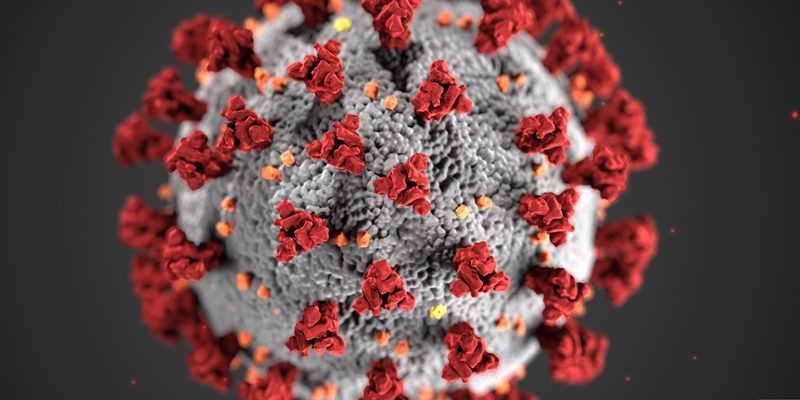
Novel coronavirus identified from patients with pneumonia in Wuhan, China
Share on FacebookShare on Twitter

1. Low baseline platelet count and intracranial hemorrhage were shown to be prognostic mortality markers due to vaccine-induced immune thrombocytopenia and thrombosis (VITT) following the adenoviral vector SARS-CoV-2 vaccine.

2. Other correlated factors of mortality associated with VITT thrombosis were shown to be increased D-dimer levels and decreased baseline fibrinogen levels.

Evidence Rating Level: 2 (Good)

Study Rundown: Following adenoviral vector SARS-CoV-2 vaccination (ChAdOx1 nCoV-19), vaccine-induced immune thrombocytopenia and thrombosis (VITT) is possible side-effect with fatal outcomes. As such, this study described patient characteristics of the initial cases of definite or probable VITT following vaccination. The analysis found that baseline platelet count and the presence of intracranial hemorrhage were independent predictors of death. Furthermore, the presence of cerebral venous sinus thrombosis, increased baseline D-dimer, and decreased baseline fibrinogen level were all found to have significant odds of death. The study was limited by case-ascertainment bias, given the global attention on the topic of VITT amongst SARS-CoV-2 vaccines. Furthermore, analysis of this study was carried out before the vaccine was made available to younger populations, which potentially skewed the cohort composition towards older patients. Together, this data supports increased surveillance and supportive measures for patients who exhibit a constellation of features suggesting susceptibility to VITT.

Click to read the study in NEJM

Relevant Reading: Clinical Characteristics and Pharmacological Management of COVID-19 Vaccine–Induced Immune Thrombotic Thrombocytopenia With Cerebral Venous Sinus Thrombosis

RELATED REPORTS

Lower levels of education and place of birth were associated with non-admission to the intensive care unit in Sweden during COVID-19 pandemic

2 Minute Medicine Rewind August 31, 2026

Hematologic inflammatory indices may predict prognosis in younger patients with COVID-19 but not older patients

In-Depth [prospective cohort]: A prospective cohort of 220 patients suspected of having vaccine-induced thrombocytosis and thrombopenia (VITT) were identified in the United Kingdom. Patients were confirmed to have VITT if they met the following 5 criteria: symptoms arising 5-30 days after the first dose of the ChAdOx1 nCoV-19 vaccine, presence of thrombosis, thrombocytopenia, increased D-dimer levels (< 4000 fibrinogen-equivalent units), and presence of anti-PF4 antibodies. Patients who did not meet these five criteria were assumed to have probable, possible, or unlikely VITT. Patients who met the criteria thrombofor increased D-dimer levels but not one of the remaining four criteria were classified as probable VITT. Of the 220 patients, 170 patients were classified as definite cases of VITT and 50 patients were determined to have probable cases of VITT. The median age of the cohort was 48 years (interquartile range, 38 to 56) and the median time to presentation was 14 days post-vaccination (interquartile range, 10 to 16). There was no sex predominance. The most common site of thrombosis (50%) at presentation was in the cerebral veins, followed by deep veins of the legs and pulmonary arteries. At the time of analysis, 22% of patients died. Odds of death increased for presence of cerebral venous sinus thrombosis (factor, 2.7; 95% confidence interval [CI], 1.4 – 5.2), increased for platelet count (factor, 1.7 for every 50% decrease from baseline; 95% CI, 1.3 – 2.3), increased for D-dimer level (factor, 1.2 for every increase of 10,000 FEU; 95% CI, 1.0 – 1.3), and increased for fibrinogen level (factor, 1.7 for every 50% decrease, 95% CI, 1.1 – 2.5). Multivariate analysis identified baseline platelet count (< 30,000 / mm3) and presence of intracranial hemorrhage as independently associated factors with mortality. Together, this data supports that increased surveillance and supportive measures should be in place for patients exhibiting lower platelet counts, low fibrinogen levels, and higher D-dimer levels following the ChAdOx1 nCoV-19 vaccine.

Image: PD

©2021 2 Minute Medicine, Inc. All rights reserved. No works may be reproduced without expressed written consent from 2 Minute Medicine, Inc. Inquire about licensing here. No article should be construed as medical advice and is not intended as such by the authors or by 2 Minute Medicine, Inc.
Tags: cerebral venous thrombosisChAdOx1 nCoV-19 vaccineCOVID-19d-dimerfibrinogenimmune thrombocytopeniaintracranial hemorrhage (ICH)vaccine-induced immune thrombotic thrombocytopenia (VITT)
Previous Post

Inhaled and intranasal ciclesonide for the treatment of COVID-19 in adult outpatients

Next Post

#VisualAbstract: Low-dose computed tomography improves the detection of secondary primary lung cancers compared to chest radiographs for head and neck cancer survivors

RelatedReports

Novel coronavirus identified from patients with pneumonia in Wuhan, China
Emergency

Lower levels of education and place of birth were associated with non-admission to the intensive care unit in Sweden during COVID-19 pandemic

September 1, 2026
Rivaroxaban likely reduces risk of recurrent stroke in specific subgroup of patients with embolic stroke of undetermined source
Weekly Rewinds

2 Minute Medicine Rewind August 31, 2026

August 31, 2026
Novel coronavirus identified from patients with pneumonia in Wuhan, China
Chronic Disease

Hematologic inflammatory indices may predict prognosis in younger patients with COVID-19 but not older patients

August 4, 2026
Elagolix with add-back hormone therapy effective in reducing fibroid-associated menstrual bleeding
Weekly Rewinds

2 Minute Medicine Rewind August 3rd, 2026

August 3, 2026
Next Post
#VisualAbstract: Internal mammary node irradiation improves survival for patients with centromedially located node-positive breast cancer

#VisualAbstract: Low-dose computed tomography improves the detection of secondary primary lung cancers compared to chest radiographs for head and neck cancer survivors

Quick Take: Functional Outcome of Intravenous Thrombolysis in Patients With Lacunar Infarcts in the WAKE-UP Trial

No difference between noncontrast CT vs MRI for mechanical thrombectomy in patients with large vessel occlusion stroke

Tonsillectomy may have short-term benefits in recurrent throat infection

Amoxicillin shows no benefit in children with uncomplicated lower respiratory tract infections

EvidencePulse™ by 2 Minute Medicine 2026 evidence scan 3 reports You asked top stroke trials 2026 Synthesizing medical evidence... Top 2026 stroke trial results: OCEANIC — ischemic stroke: 6.2% vs 8.4% OPTION* — mRS 0–1: 43.6% vs 34.2% ORIENTAL* — mRS 0–2: 58.6% vs 46.6% *Higher sICH in intervention arms Participants randomizedN OCEANIC 12,327 OPTION 570 ORIENTAL 564 Ask about guidelines or landmark trials... ↑ Try EvidencePulse™ Ask the evidence.
Get the signal.
Try it now → Physician-trained medical AI by 2 Minute Medicine

2MM+ All Access

Full details →
$4.99 /month

5-day free trial · cancel anytime

  • ✓100+ physician-written reports
  • ✓EvidencePulse™ + HypeCheck™
  • ✓Ad-free reading + newsletters
Start 5-day free trial

Then $4.99/month. Manage renewal in your account.

2 Minute Medicine® is an award winning, physician-run, expert medical media company. Our content is curated, written and edited by practicing health professionals who have clinical and scientific expertise in their field of reporting. Our editorial management team is comprised of highly-trained MD physicians. Join numerous brands, companies, and hospitals who trust our licensed content.

Recent Reports

  • Molecularly guided therapy may improve outcomes in patients with unfavourable cancer of unknown primary compared with standard chemotherapy
  • Methadone initiation linked to lower mortality compared to buprenorphine-naloxone after opioid overdose
  • Continuous femoral nerve block is not superior to continuous adductor canal block for postoperative pain following ACL reconstruction
License Content
Terms of Use | Disclaimer
Cookie Policy
Cleantalk Pixel
  • About
  • Specialties
    • All Specialties, All Recent Reports
    • Cardiology
    • Chronic Disease
    • Dermatology
    • Emergency
    • Endocrinology
    • Gastroenterology
    • Imaging and Intervention
    • Infectious Disease
    • Nephrology
    • Neurology
    • Obstetrics
    • Oncology
    • Ophthalmology
    • Pediatrics
    • Pharma
    • Preclinical
    • Psychiatry
    • Public Health
    • Pulmonology
    • Rheumatology
    • Surgery
  • Tools
    • EvidencePulse™
    • HypeCheck™
    • NPI Registry Lookup
    • RVU Search
  • Pharma
  • AI Roundup
  • The Scan
  • Classics™
    • 2MM+ Online Access
    • Paperback and Ebook
  • Rewinds
  • Partners
    • License Content
    • Submit Press Release
    • Advertise with Us
  • Account
    • Subscribe
    • My account
    • Cart
    • Sign-in
No Result
View All Result

© 2026 2 Minute Medicine, Inc. - Physician-written medical news.

2MM+ All Access Full details →

The medical literature, distilled daily.

Monthly plan selected: $4.99 /month.

$4.99/month

5-day free trial · cancel anytime

Start 5-day free trial

Then $4.99/month. Manage renewal in your account.

Yearly plan selected: $49.90 /year.

$49.90/year

2 months free · only $4.16/month

Start 5-day free trial

Then $49.90/year. Manage renewal in your account.

Membership benefits

  • ✓100+ physician-written reports
  • ✓AI EvidencePulse™ + HypeCheck™
  • ✓Ad-free reading + newsletters

Already a member? Sign in