

• About
  • Masthead
  • License Content
  • Advertise
  • Submit Press Release
  • RSS/Email List
  • 2MM Podcast
  • Write for us
  • Contact Us
2 Minute Medicine
No Result
View All Result

No products in the cart.

SUBSCRIBE
  • About
  • Specialties
    • All Specialties, All Recent Reports
    • Cardiology
    • Chronic Disease
    • Dermatology
    • Emergency
    • Endocrinology
    • Gastroenterology
    • Imaging and Intervention
    • Infectious Disease
    • Nephrology
    • Neurology
    • Obstetrics
    • Oncology
    • Ophthalmology
    • Pediatrics
    • Pharma
    • Preclinical
    • Psychiatry
    • Public Health
    • Pulmonology
    • Rheumatology
    • Surgery
  • Tools+
    • EvidencePulse™
    • HypeCheck™
    • NPI Registry Lookup
    • RVU Search
  • Pharma
  • AI Roundup
  • The Scan+
  • Classics™+
    • 2MM+ Online Access
    • Paperback and Ebook
  • Rewinds
  • Partners
    • License Content
    • Submit Press Release
    • Advertise with Us
  • Account
    • Subscribe
    • My account
    • Cart
    • Sign-in
2 Minute Medicine
  • About
  • Specialties
    • All Specialties, All Recent Reports
    • Cardiology
    • Chronic Disease
    • Dermatology
    • Emergency
    • Endocrinology
    • Gastroenterology
    • Imaging and Intervention
    • Infectious Disease
    • Nephrology
    • Neurology
    • Obstetrics
    • Oncology
    • Ophthalmology
    • Pediatrics
    • Pharma
    • Preclinical
    • Psychiatry
    • Public Health
    • Pulmonology
    • Rheumatology
    • Surgery
  • Tools+
    • EvidencePulse™
    • HypeCheck™
    • NPI Registry Lookup
    • RVU Search
  • Pharma
  • AI Roundup
  • The Scan+
  • Classics™+
    • 2MM+ Online Access
    • Paperback and Ebook
  • Rewinds
  • Partners
    • License Content
    • Submit Press Release
    • Advertise with Us
  • Account
    • Subscribe
    • My account
    • Cart
    • Sign-in
SUBSCRIBE
2 Minute Medicine
Subscribe
Home All Specialties Cardiology

Improved long-term survival with resynchronization versus defibrillation for heart failure
byJunghoon KoandKiera Liblik
February 2, 2024
in Cardiology, Chronic Disease
Reading Time: 3 mins read
Image-guided percutaneous drainage of pericardial effusions is safe and effective
Share on FacebookShare on Twitter

1. In this randomized controlled trial, the incidence of death was lower in heart failure patients who received cardiac-resynchronization therapy (CRT) versus those who received implantable cardioverter-defibrillators (ICD).

2. The time until death was longer in patients who received cardiac-resynchronization therapy than those who received implantable cardioverter-defibrillators. 

Evidence Rating Level: 1 (Excellent)

Study Rundown: CRT with biventricular pacing has been an effective adjunctive therapy to medical management in patients with advanced symptomatic heart failure, reduced ejection fraction, and an intraventricular conduction delay (wide QRS complex). It has improved cardiac performance and overall clinical outcomes, leading to reverse remodeling and a reduction in new-onset ventricular arrhythmias. The Resynchronization-Defibrillation for Ambulatory Heart Failure Trial (RAFT) from 2010 demonstrated a greater benefit with respect to mortality at five years in patients who received CRT compared to those who received ICD. This follow-up trial investigated the long-term effects of CRT on mortality by analyzing the survival outcomes of patients at the eight participating sites with the largest enrollment. Overall, the study showed increased survival benefit in patients who received a CRT defibrillator (CRT-D) compared to those who received an ICD, with the CRT-D group exhibiting a lower incidence of death and longer time until death. The generalizability of the study’s findings is limited by its relatively low enrollment of women and the lack of racial diversity in its trial population. Moreover, the role of CRT on survival for patients treated with neprilysin inhibitors and sodium-glucose cotransporter two inhibitors is uncertain, given these agents were not part of the standard pharmacologic management during the original trial.

Click here to read the study in NEJM

In-Depth [randomized controlled trial]: This study was a follow-up to RAFT, a double-blind, randomized, controlled trial investigating the mortality benefit of CRT versus ICD in heart failure patients. This follow-up trial explored the effect of CRT on long-term survival. Patients with New York Heart Association (NYHA) class II or III heart failure, a left ventricular ejection fraction of 30% or less, and a QRS interval of 120 msec or greater (or a paced QRS interval of 200 msec or greater) were enrolled in the original trial and randomly assigned in a 1:1 ratio to receive an ICD with CRT (CRT-D) or an ICD only. Of a total of 1,798 patients enrolled in RAFT, 1,050 patients from eight centers were enrolled in the long-term follow-up. The median duration of follow-up for these patients was 7.7 years (interquartile range, 3.9 to 12.8), and the median duration of follow-up for those who survived until the trial end date of December 31, 2021, was 13.9 years (interquartile range, 12.8 to 15.7). The primary outcome, which was death from any cause, occurred in 370 of 520 patients (71.2%) in the CRT-D group and 405 of 530 patients (76.4%) in the ICD group. The time until death was also longer in the CRT-D group (acceleration factor, 0.80; 95% Confidence Interval [CI], 0.69 to 0.92; p=0.002). The secondary outcome, which was a composite of death from any cause, heart transplantation, or implantation of a ventricular assist device, occurred in 392 patients (75.4%) in the CRT-D group and 412 patients (77.7%) in the ICD group. In summary, this follow-up trial demonstrated the long-term survival benefit of CRT-D over ICD among patients with NYHA class II or III heart failure, a reduced ejection fraction, and a wide QRS complex, sustained during a median of nearly 14 years of follow-up.

RELATED REPORTS

The mortality in-hospital for patients undergoing elective catheter ablation for atrial fibrillation is low

A medical care at home program following hospitalization with acute decompensated heart failure may offer a safe and effective alternative to continued hospitalization

Catheter ablation within 1 year of atrial fibrillation diagnosis is associated with reduced risk of recurrence

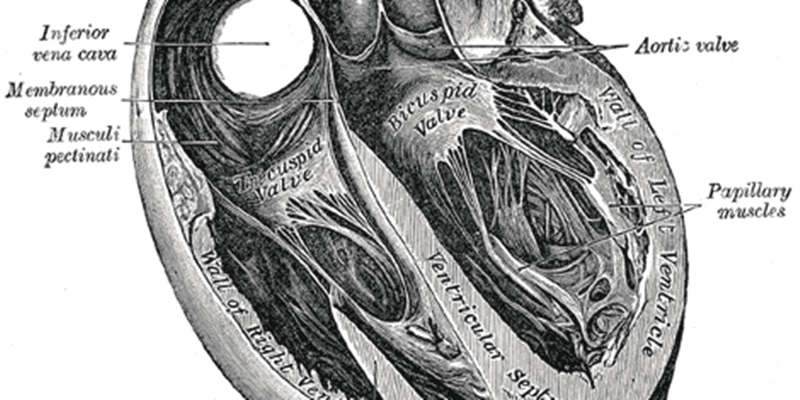
Image: PD

©2024 2 Minute Medicine, Inc. All rights reserved. No works may be reproduced without expressed written consent from 2 Minute Medicine, Inc. Inquire about licensing here. No article should be construed as medical advice and is not intended as such by the authors or by 2 Minute Medicine, Inc.
Tags: cardiologychronic diseasedefibrillationheart failureimplantable cardioverter-defibrillatorresynchronizationResynchronization-Defibrillation for Ambulatory Heart Failure Trial
Previous Post

Spiritual Care training program improved nursing competency to provide spiritual care

Next Post

ST-elevation myocardial infarction with nonobstructive coronary arteries associated with significant mortality

RelatedReports

Rivaroxaban likely reduces risk of recurrent stroke in specific subgroup of patients with embolic stroke of undetermined source
Cardiology

The mortality in-hospital for patients undergoing elective catheter ablation for atrial fibrillation is low

September 4, 2026
Remote patient monitoring did not reduce heart failure readmissions: The BEAT-HF trial
Cardiology

A medical care at home program following hospitalization with acute decompensated heart failure may offer a safe and effective alternative to continued hospitalization

July 24, 2026
Rivaroxaban likely reduces risk of recurrent stroke in specific subgroup of patients with embolic stroke of undetermined source
Cardiology

Catheter ablation within 1 year of atrial fibrillation diagnosis is associated with reduced risk of recurrence

July 24, 2026
Remote patient monitoring did not reduce heart failure readmissions: The BEAT-HF trial
Weekly Rewinds

2 Minute Medicine Rewind July 20, 2026

July 20, 2026
Next Post
Using HEART score to risk stratify patients with chest pain is safe but underutilized in the ED

ST-elevation myocardial infarction with nonobstructive coronary arteries associated with significant mortality

Late gestation antidepressant use linked to postpartum hemorrhage

Low-dose calcium noninferior to high-dose calcium in reducing rates of pre-eclampsia

Higher doses of heart failure guideline-directed medical therapy prescribed to patients with acute heart failure admission are associated with better outcomes

EvidencePulse™ by 2 Minute Medicine 2026 evidence scan 3 reports You asked top stroke trials 2026 Synthesizing medical evidence... Top 2026 stroke trial results: OCEANIC — ischemic stroke: 6.2% vs 8.4% OPTION* — mRS 0–1: 43.6% vs 34.2% ORIENTAL* — mRS 0–2: 58.6% vs 46.6% *Higher sICH in intervention arms Participants randomizedN OCEANIC 12,327 OPTION 570 ORIENTAL 564 Ask about guidelines or landmark trials... ↑ Try EvidencePulse™ Ask the evidence.
Get the signal.
Try it now → Physician-trained medical AI by 2 Minute Medicine

2MM+ All Access

Full details →
$4.99 /month

5-day free trial · cancel anytime

  • ✓100+ physician-written reports
  • ✓EvidencePulse™ + HypeCheck™
  • ✓Ad-free reading + newsletters
Start 5-day free trial

Then $4.99/month. Manage renewal in your account.

2 Minute Medicine® is an award winning, physician-run, expert medical media company. Our content is curated, written and edited by practicing health professionals who have clinical and scientific expertise in their field of reporting. Our editorial management team is comprised of highly-trained MD physicians. Join numerous brands, companies, and hospitals who trust our licensed content.

Recent Reports

  • Artificial intelligence based clinical exam training significantly improved medical students’ standardized clinical exam performance
  • Universal Health Services acquisition of Talkspace connects virtual and inpatient behavioral care
  • Cataract surgery is associated with increased incidence of diabetic retinopathy among patients with diabetes
License Content
Terms of Use | Disclaimer
Cookie Policy
Cleantalk Pixel
2MM+ All Access Full details →

The medical literature, distilled daily.

Monthly plan selected: $4.99 /month.

$4.99/month

5-day free trial · cancel anytime

Start 5-day free trial

Then $4.99/month. Manage renewal in your account.

Yearly plan selected: $49.90 /year.

$49.90/year

2 months free · only $4.16/month

Start 5-day free trial

Then $49.90/year. Manage renewal in your account.

Membership benefits

  • ✓100+ physician-written reports
  • ✓AI EvidencePulse™ + HypeCheck™
  • ✓Ad-free reading + newsletters

Already a member? Sign in

  • About
  • Specialties
    • All Specialties, All Recent Reports
    • Cardiology
    • Chronic Disease
    • Dermatology
    • Emergency
    • Endocrinology
    • Gastroenterology
    • Imaging and Intervention
    • Infectious Disease
    • Nephrology
    • Neurology
    • Obstetrics
    • Oncology
    • Ophthalmology
    • Pediatrics
    • Pharma
    • Preclinical
    • Psychiatry
    • Public Health
    • Pulmonology
    • Rheumatology
    • Surgery
  • Tools
    • EvidencePulse™
    • HypeCheck™
    • NPI Registry Lookup
    • RVU Search
  • Pharma
  • AI Roundup
  • The Scan
  • Classics™
    • 2MM+ Online Access
    • Paperback and Ebook
  • Rewinds
  • Partners
    • License Content
    • Submit Press Release
    • Advertise with Us
  • Account
    • Subscribe
    • My account
    • Cart
    • Sign-in
No Result
View All Result

© 2026 2 Minute Medicine, Inc. - Physician-written medical news.