• About
  • Masthead
  • License Content
  • Advertise
  • Submit Press Release
  • RSS/Email List
  • 2MM Podcast
  • Write for us
  • Contact Us
2 Minute Medicine
No Result
View All Result

No products in the cart.

SUBSCRIBE
  • About
  • Specialties
    • All Specialties, All Recent Reports
    • Cardiology
    • Chronic Disease
    • Dermatology
    • Emergency
    • Endocrinology
    • Gastroenterology
    • Imaging and Intervention
    • Infectious Disease
    • Nephrology
    • Neurology
    • Obstetrics
    • Oncology
    • Ophthalmology
    • Pediatrics
    • Pharma
    • Preclinical
    • Psychiatry
    • Public Health
    • Pulmonology
    • Rheumatology
    • Surgery
  • Tools+
    • EvidencePulse™
    • HypeCheck™
    • NPI Registry Lookup
    • RVU Search
  • Pharma
  • AI Roundup
  • The Scan+
  • Classics™+
    • 2MM+ Online Access
    • Paperback and Ebook
  • Rewinds
  • Partners
    • License Content
    • Submit Press Release
    • Advertise with Us
  • Account
    • Subscribe
    • My account
    • Cart
    • Sign-in
2 Minute Medicine
  • About
  • Specialties
    • All Specialties, All Recent Reports
    • Cardiology
    • Chronic Disease
    • Dermatology
    • Emergency
    • Endocrinology
    • Gastroenterology
    • Imaging and Intervention
    • Infectious Disease
    • Nephrology
    • Neurology
    • Obstetrics
    • Oncology
    • Ophthalmology
    • Pediatrics
    • Pharma
    • Preclinical
    • Psychiatry
    • Public Health
    • Pulmonology
    • Rheumatology
    • Surgery
  • Tools+
    • EvidencePulse™
    • HypeCheck™
    • NPI Registry Lookup
    • RVU Search
  • Pharma
  • AI Roundup
  • The Scan+
  • Classics™+
    • 2MM+ Online Access
    • Paperback and Ebook
  • Rewinds
  • Partners
    • License Content
    • Submit Press Release
    • Advertise with Us
  • Account
    • Subscribe
    • My account
    • Cart
    • Sign-in
SUBSCRIBE
2 Minute Medicine
Subscribe
EvidencePulse™ by 2 Minute Medicine 2026 evidence scan 3 reports You asked top stroke trials 2026 Synthesizing medical evidence... Top 2026 stroke trial results: OCEANIC — ischemic stroke: 6.2% vs 8.4% OPTION* — mRS 0–1: 43.6% vs 34.2% ORIENTAL* — mRS 0–2: 58.6% vs 46.6% *Higher sICH in intervention arms Participants randomizedN OCEANIC 12,327 OPTION 570 ORIENTAL 564 Ask about guidelines or landmark trials... ↑ Try EvidencePulse™ Ask the evidence.
Get the signal.
Try it now → Physician-trained medical AI by 2 Minute Medicine
Home All Specialties Infectious Disease

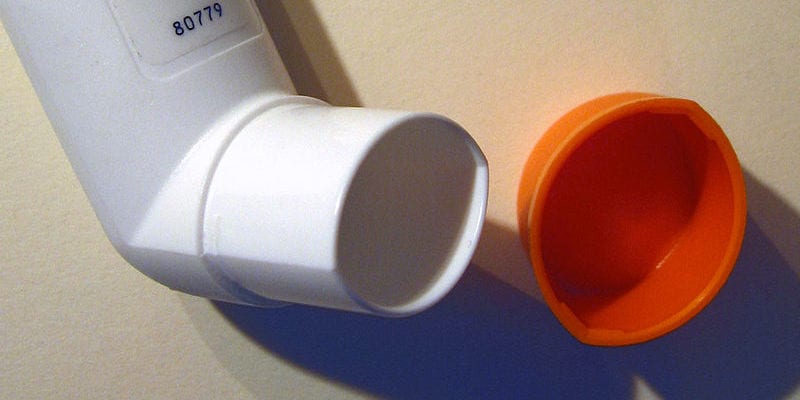
Inhaled budesonide shortens time to recovery for high-risk COVID-19 patients in the community
byNeel MistryandTeddy Guo
September 14, 2021
in Infectious Disease, Pulmonology
Reading Time: 3 mins read
Microbe-rich environment associated with lower rates of asthma
Share on FacebookShare on Twitter

1. Time to recovery was lower in patients assigned to budesonide compared to usual care, meeting the superiority criteria.

2. Rate of hospitalizations or death was numerically lower in the inhaled budesonide group compared to usual care. 

Evidence Rating Level: 1 (Excellent)

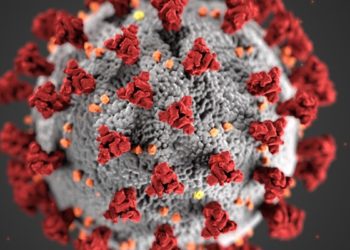
Study Rundown: Systemic corticosteroids, such as dexamethasone, have been widely regarded as a therapeutic option in the management of patients with COVID-19 requiring oxygen. However, results from several trials around the world suggest that systemic corticosteroids may, in fact, increase the risk of COVID-19-related hospitalizations and death, and lead to systemic complications as well. Similarly, inhaled corticosteroids, such as budesonide, have been thought to offer the same anti-inflammatory benefits of systemic corticosteroids without the risk profile. However, the current evidence on their use in these settings has been limited. This randomized controlled trial aimed to assess the safety and efficacy of inhaled budesonide on COVID-19 related hospitalizations and deaths in high-risk patients. The coprimary outcomes for this study were time to patient recovery and COVID-19-related hospitalization or death, while key secondary outcomes were time to sustained recovery (at days 14 and 28 of study) and time to initial reduction in symptom severity. According to study results, use of inhaled budesonide resulted in a shortened time to self-recovery from COVID-19, meeting the prespecified superiority criteria. In addition, there was a numerically lower rate of hospitalization or death due to COVID-19 in the inhaled budesonide group compared to usual care. This study was strengthened by its inclusion of a relatively old age group, which is known to be at higher risk of COVID-19 compared to the general population.

Click to read the study in The Lancet

Relevant Reading: Dexamethasone in Hospitalized Patients with Covid-19

RELATED REPORTS

Intraarterial dexamethasone may be effective for pain relief following uterine fibroid embolization

2 Minute Medicine Rewind August 3rd, 2026

Ensitrelvir associated with reduced risk of Covid-19 among household contacts

In-depth [randomized controlled trial]: From April 2, 2020, to March 31, 2021, 38 520 patients were screened for eligibility at primary care centers in the UK. Included patients were ≥65 years or older or ≥50 years with comorbidities and were symptomatic for COVID-19 up to two weeks prior. Ultimately, 4700 patients were randomized (1073 to budesonide, 1988 to usual care alone, and 1639 to other treatments), of which 67% (2655 of 3979) tested positive for SARS-CoV-2. Mean age among COVID-positive patients was 64.2 years (standard deviation [SD] 7.6), and the majority (92%) were White. Baseline characteristics were similar between groups.

The primary outcome of time to recovery was shorter in the budesonide group (11.8 days, 95% Bayesian credible interval [BCI] 10.0-14.1) compared to the usual care group (14.7 days, 95% BCI 12.3-18.0, hazard ratio [HR] 1.21), resulting in a median benefit of 2.94 days (95% BCI 1.19-5.11). The likelihood of hospitalization or death was lower among patients randomized to the budesonide group (6.8%, 95% BCI 4.1-10.2) versus the usual care group (8.8%, 95% BCI 5.5-12.7, odds ratio [OR] 0.75, 95% BCI 0.55-1.03), but this did not meet the prespecified superiority threshold. Regarding the secondary outcomes concerning time to sustained recovery (at days 14 and 28 post-randomization) and time to reduction in symptom severity, budesonide was superior to usual care. Serious adverse events including hospitalization for non-COVID-19 issues were rare, affecting two patients in the budesonide group and four in the usual care group. Findings from this study suggest that inhaled budesonide should be considered for high-risk COVID-19 patients in the community given its shortened time to recovery and relatively low risk profile.

Image: PD

©2021 2 Minute Medicine, Inc. All rights reserved. No works may be reproduced without expressed written consent from 2 Minute Medicine, Inc. Inquire about licensing here. No article should be construed as medical advice and is not intended as such by the authors or by 2 Minute Medicine, Inc.

Tags: budesonidecorticosteroidcoviddexamethasoneinhaled corticosteroids (ICS)SARS-CoV-2
Previous Post

National survey reports parental views on COVID-19 vaccination in children

Next Post

Effect of a randomized interventional school-based vision program on academic performance

RelatedReports

Elagolix with add-back hormone therapy effective in reducing fibroid-associated menstrual bleeding
Chronic Disease

Intraarterial dexamethasone may be effective for pain relief following uterine fibroid embolization

August 5, 2026
Elagolix with add-back hormone therapy effective in reducing fibroid-associated menstrual bleeding
Weekly Rewinds

2 Minute Medicine Rewind August 3rd, 2026

August 3, 2026
Novel coronavirus identified from patients with pneumonia in Wuhan, China
Infectious Disease

Ensitrelvir associated with reduced risk of Covid-19 among household contacts

May 26, 2026
Decreased expression of nasal ACE2 may be correlated with lower prevalence of COVID-19 in children
Chronic Disease

Metformin and ursodeoxycholic acid do not improve long COVID recovery

March 2, 2026
Next Post
Preterm birth associated with lower high school academic performance

Effect of a randomized interventional school-based vision program on academic performance

Quick Take: Effect of Developmentally Adapted Cognitive Processing Therapy for Youth With Symptoms of Posttraumatic Stress Disorder After Childhood Sexual and Physical Abuse

Social isolation and loneliness may result in poor recovery following crisis

#VisualAbstract: Novel macrophage-regulating cream demonstrated superior therapeutic efficacy for the treatment of diabetic foot ulcers compared to standard absorbent dressing

#VisualAbstract: Half of patients hospitalized with COVID-19 continue to have symptoms after 1 year

EvidencePulse™ by 2 Minute Medicine 2026 evidence scan 3 reports You asked top stroke trials 2026 Synthesizing medical evidence... Top 2026 stroke trial results: OCEANIC — ischemic stroke: 6.2% vs 8.4% OPTION* — mRS 0–1: 43.6% vs 34.2% ORIENTAL* — mRS 0–2: 58.6% vs 46.6% *Higher sICH in intervention arms Participants randomizedN OCEANIC 12,327 OPTION 570 ORIENTAL 564 Ask about guidelines or landmark trials... ↑ Try EvidencePulse™ Ask the evidence.
Get the signal.
Try it now → Physician-trained medical AI by 2 Minute Medicine

2MM+ All Access

Full details →
$4.99 /month

5-day free trial · cancel anytime

  • ✓100+ physician-written reports
  • ✓EvidencePulse™ + HypeCheck™
  • ✓Ad-free reading + newsletters
Start 5-day free trial

Then $4.99/month. Manage renewal in your account.

2 Minute Medicine® is an award winning, physician-run, expert medical media company. Our content is curated, written and edited by practicing health professionals who have clinical and scientific expertise in their field of reporting. Our editorial management team is comprised of highly-trained MD physicians. Join numerous brands, companies, and hospitals who trust our licensed content.

Recent Reports

  • N-methylaniline exposure identified as likely cause of methemoglobinemia during maritime migration
  • Video mental health care may have clinical advantages versus phone or in-person visits
  • Higher maternal body mass index is associated with increased risk of cardiovascular disease in offspring
License Content
Terms of Use | Disclaimer
Cookie Policy
Cleantalk Pixel
2MM+ All Access Full details →

The medical literature, distilled daily.

Monthly plan selected: $4.99 /month.

$4.99/month

5-day free trial · cancel anytime

Start 5-day free trial

Then $4.99/month. Manage renewal in your account.

Yearly plan selected: $49.90 /year.

$49.90/year

2 months free · only $4.16/month

Start 5-day free trial

Then $49.90/year. Manage renewal in your account.

Membership benefits

  • ✓100+ physician-written reports
  • ✓AI EvidencePulse™ + HypeCheck™
  • ✓Ad-free reading + newsletters

Already a member? Sign in

  • About
  • Specialties
    • All Specialties, All Recent Reports
    • Cardiology
    • Chronic Disease
    • Dermatology
    • Emergency
    • Endocrinology
    • Gastroenterology
    • Imaging and Intervention
    • Infectious Disease
    • Nephrology
    • Neurology
    • Obstetrics
    • Oncology
    • Ophthalmology
    • Pediatrics
    • Pharma
    • Preclinical
    • Psychiatry
    • Public Health
    • Pulmonology
    • Rheumatology
    • Surgery
  • Tools
    • EvidencePulse™
    • HypeCheck™
    • NPI Registry Lookup
    • RVU Search
  • Pharma
  • AI Roundup
  • The Scan
  • Classics™
    • 2MM+ Online Access
    • Paperback and Ebook
  • Rewinds
  • Partners
    • License Content
    • Submit Press Release
    • Advertise with Us
  • Account
    • Subscribe
    • My account
    • Cart
    • Sign-in
No Result
View All Result

© 2026 2 Minute Medicine, Inc. - Physician-written medical news.