• About
  • Masthead
  • License Content
  • Advertise
  • Submit Press Release
  • RSS/Email List
  • 2MM Podcast
  • Write for us
  • Contact Us
2 Minute Medicine
No Result
View All Result

No products in the cart.

SUBSCRIBE
  • Specialties
    • All Specialties, All Recent Reports
    • Cardiology
    • Chronic Disease
    • Dermatology
    • Emergency
    • Endocrinology
    • Gastroenterology
    • Imaging and Intervention
    • Infectious Disease
    • Nephrology
    • Neurology
    • Obstetrics
    • Oncology
    • Ophthalmology
    • Pediatrics
    • Pharma
    • Preclinical
    • Psychiatry
    • Public Health
    • Pulmonology
    • Rheumatology
    • Surgery
  • Tools
    • EvidencePulse™
    • RVU Search
    • NPI Registry Lookup
  • Pharma
  • AI News
  • The Scan+
  • Classics™+
    • 2MM+ Online Access
    • Paperback and Ebook
  • Rewinds
  • Partners
    • License Content
    • Submit Press Release
    • Advertise with Us
  • Account
    • Subscribe
    • Sign-in
    • My account
2 Minute Medicine
  • Specialties
    • All Specialties, All Recent Reports
    • Cardiology
    • Chronic Disease
    • Dermatology
    • Emergency
    • Endocrinology
    • Gastroenterology
    • Imaging and Intervention
    • Infectious Disease
    • Nephrology
    • Neurology
    • Obstetrics
    • Oncology
    • Ophthalmology
    • Pediatrics
    • Pharma
    • Preclinical
    • Psychiatry
    • Public Health
    • Pulmonology
    • Rheumatology
    • Surgery
  • Tools
    • EvidencePulse™
    • RVU Search
    • NPI Registry Lookup
  • Pharma
  • AI News
  • The Scan+
  • Classics™+
    • 2MM+ Online Access
    • Paperback and Ebook
  • Rewinds
  • Partners
    • License Content
    • Submit Press Release
    • Advertise with Us
  • Account
    • Subscribe
    • Sign-in
    • My account
SUBSCRIBE
2 Minute Medicine
Subscribe
Home All Specialties Chronic Disease

Intravenous tenecteplase shows no benefit in minor ischaemic stroke with intracranial occlusion
byNeel MistryandTeddy Guo
July 24, 2024
in Chronic Disease, Emergency, Neurology
Reading Time: 2 mins read
0
Share on FacebookShare on Twitter

1. Return to baseline function was comparable in tenecteplase and standard-of-care groups.

2. More deaths and intracranial hemorrhages were reported among patients on tenecteplase.

Evidence Rating Level: 1 (Excellent)

Study Rundown: Individuals with minor ischemic stroke and intracranial occlusion have poor prognosis. Intravenous (IV) thrombolysis with tenecteplase may benefit these patients, although little is known. This randomized controlled trial aimed to assess the safety and efficacy of IV tenecteplase in patients with minor ischemic stroke. The primary outcome of this study was return to baseline functioning on the pre-morbid modified Rankin Scale (mRS) score at 90 days, while a key secondary outcome was safety profile. According to study results, tenecteplase did not significantly improve the primary outcome, while also demonstrating a higher mortality rate compared to standard-of-care. Although this study was well done, it was stopped early, which may affect the robustness of the findings.

Click to read the study in The Lancet

Relevant Reading: Tenecteplase for Ischemic Stroke at 4.5 to 24 Hours without Thrombectomy

RELATED REPORTS

Edaravone dexborneol improves functional independence in patients with acute ischaemic stroke following endovascular thrombectomy

A novel validated, imaging-based risk model may predict poststroke epilepsy more accurately than existing tools

Prehospital postintubation hypotension following traumatic brain injury is associated with increased mortality

In-depth [randomized controlled trial]: Between Apr 27, 2015, and Jan 19, 2024, 886 patients were enrolled across 48 hospitals in 10 countries. Included were patients ≥ 18 years of age with minor acute ischemic stroke (defined as National Institutes of Health Stroke Scale [NIHSS] score 0-5) and intracranial occlusion or focal perfusion abnormality, within 12 hours from stroke onset. Altogether, 867 patients (425 in tenecteplase and 442 in standard-of-care) were included in the final analysis. The primary outcome of a return to baseline functioning at 90 days was comparable between groups (72% in tenecteplase vs. 75% in placebo, risk ratio [RR] 0.96, 95% confidence interval [CI] 0.88-1.04, p=0.29). The secondary outcome revealed more deaths in the tenecteplase group than control (5% vs. 1%, adjusted hazard ratio [aHR] 3.8, 95% CI 1.4-10.2, p=0.0085). Overall, findings from this study suggest that IV tenecteplase does not benefit and may cause harm in patients with minor stroke.

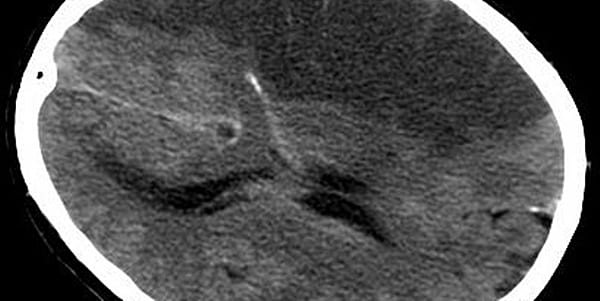
Image: PD

©2024 2 Minute Medicine, Inc. All rights reserved. No works may be reproduced without expressed written consent from 2 Minute Medicine, Inc. Inquire about licensing here. No article should be construed as medical advice and is not intended as such by the authors or by 2 Minute Medicine, Inc.

Tags: alteplaseischemic strokemodified rankin scalemRSneurologystrokestroke neurologytenecteplasethrombolysis
Previous Post

#VisualAbstract: Electroencephalography-Guided Anesthesia Does Not Reduce Delirium in Older Adults After Cardiac Surgery

Next Post

High-sugar dietary pattern associated with increased risk of dementia

RelatedReports

Imaging and Intervention

Edaravone dexborneol improves functional independence in patients with acute ischaemic stroke following endovascular thrombectomy

January 15, 2026
Non-alcoholic fatty liver disease and risk of incident acute myocardial infarction and stroke: findings from matched cohort study of 18 million European adults
Chronic Disease

A novel validated, imaging-based risk model may predict poststroke epilepsy more accurately than existing tools

January 12, 2026
Brain lesions on MRI linked with subsequent increased stroke risk
Emergency

Prehospital postintubation hypotension following traumatic brain injury is associated with increased mortality

January 13, 2026
Elective colectomy associated with improved survival in ulcerative colitis
Weekly Rewinds

2 Minute Medicine Rewind November 24, 2025

November 24, 2025
Next Post

High-sugar dietary pattern associated with increased risk of dementia

Quick Take: Pexidartinib versus placebo for advanced tenosynovial giant cell tumour (ENLIVEN)

Vimseltinib may be promising in treating symptomatic tenosynovial giant cell tumour

Pediatric palliative care outcome measures often miss quality of life

Healthy prenatal dietary patterns may be protective against offspring autism

2 Minute Medicine® is an award winning, physician-run, expert medical media company. Our content is curated, written and edited by practicing health professionals who have clinical and scientific expertise in their field of reporting. Our editorial management team is comprised of highly-trained MD physicians. Join numerous brands, companies, and hospitals who trust our licensed content.

Recent Reports

  • Duloxetine is effective in refractory chronic cough
  • AstraZeneca moves to own multimodal oncology AI with Modella
  • Cast immobilization is non-inferior to surgical intervention in isolated Weber B fractures of lateral malleolus
License Content
Terms of Use | Disclaimer
Cookie Policy
Privacy Statement (EU)
Disclaimer

© 2025 2 Minute Medicine, Inc. - Physician-written medical news.

  • Specialties
    • All Specialties, All Recent Reports
    • Cardiology
    • Chronic Disease
    • Dermatology
    • Emergency
    • Endocrinology
    • Gastroenterology
    • Imaging and Intervention
    • Infectious Disease
    • Nephrology
    • Neurology
    • Obstetrics
    • Oncology
    • Ophthalmology
    • Pediatrics
    • Pharma
    • Preclinical
    • Psychiatry
    • Public Health
    • Pulmonology
    • Rheumatology
    • Surgery
  • Tools
    • EvidencePulse™
    • RVU Search
    • NPI Registry Lookup
  • Pharma
  • AI News
  • The Scan
  • Classics™
    • 2MM+ Online Access
    • Paperback and Ebook
  • Rewinds
  • Partners
    • License Content
    • Submit Press Release
    • Advertise with Us
  • Account
    • Subscribe
    • Sign-in
    • My account
No Result
View All Result

© 2025 2 Minute Medicine, Inc. - Physician-written medical news.