• About
  • Masthead
  • License Content
  • Advertise
  • Submit Press Release
  • RSS/Email List
  • 2MM Podcast
  • Write for us
  • Contact Us
2 Minute Medicine
No Result
View All Result

No products in the cart.

SUBSCRIBE
  • Specialties
    • All Specialties, All Recent Reports
    • Cardiology
    • Chronic Disease
    • Dermatology
    • Emergency
    • Endocrinology
    • Gastroenterology
    • Imaging and Intervention
    • Infectious Disease
    • Nephrology
    • Neurology
    • Obstetrics
    • Oncology
    • Ophthalmology
    • Pediatrics
    • Pharma
    • Preclinical
    • Psychiatry
    • Public Health
    • Pulmonology
    • Rheumatology
    • Surgery
  • Tools
    • EvidencePulse™
    • RVU Search
    • NPI Registry Lookup
  • Pharma
  • AI News
  • The Scan+
  • Classics™+
    • 2MM+ Online Access
    • Paperback and Ebook
  • Rewinds
  • Partners
    • License Content
    • Submit Press Release
    • Advertise with Us
  • Account
    • Subscribe
    • Sign-in
    • My account
2 Minute Medicine
  • Specialties
    • All Specialties, All Recent Reports
    • Cardiology
    • Chronic Disease
    • Dermatology
    • Emergency
    • Endocrinology
    • Gastroenterology
    • Imaging and Intervention
    • Infectious Disease
    • Nephrology
    • Neurology
    • Obstetrics
    • Oncology
    • Ophthalmology
    • Pediatrics
    • Pharma
    • Preclinical
    • Psychiatry
    • Public Health
    • Pulmonology
    • Rheumatology
    • Surgery
  • Tools
    • EvidencePulse™
    • RVU Search
    • NPI Registry Lookup
  • Pharma
  • AI News
  • The Scan+
  • Classics™+
    • 2MM+ Online Access
    • Paperback and Ebook
  • Rewinds
  • Partners
    • License Content
    • Submit Press Release
    • Advertise with Us
  • Account
    • Subscribe
    • Sign-in
    • My account
SUBSCRIBE
2 Minute Medicine
Subscribe
Home All Specialties Chronic Disease

Lixisenatide as a treatment for early Parkinson’s disease progression
byJayden BerdugoandKiera Liblik
May 23, 2024
in Chronic Disease, Neurology
Reading Time: 2 mins read
0
Share on FacebookShare on Twitter

1. In this randomized controlled trial, lixisenatide reduced motor disability progression in Parkinson’s patients.

2. Individuals in the lixisenatide group experienced greater gastrointestinal side effects rates than individuals in the placebo group.

Evidence Rating Level: 1 (Excellent)

Study Rundown: Dopaminergic replacement therapy has been used as the main treatment for Parkinson’s disease. However, it has been found to treat only the symptoms, not the progression. Some studies have shown an association between Parkinson’s disease and type 2 diabetes. Further, individuals with diabetes who were being treated with a glucagon-like peptide-1 (GLP-1) receptor agonist had a lower association with Parkinson’s disease compared to diabetes patients on different medications. The LIXIPARK trial was conducted in France using a double-blind, placebo-controlled trial with a 2-month washout period.  Before the baseline initiation of the trial drugs, the participants were given a dose of an optimized stable dopaminergic antagonist, levodopa, monoamine oxidase B, or both. Randomization placed the participants in a 1:1 ratio to either receive the placebo or subcutaneous lixisenatide in addition to their current Parkinson’s disease treatment. Since the study only involved individuals with early Parkinson’s disease, it could not determine if the effect of the drug on motor scores would persist further into the disease progression. Overall, when compared to the placebo, lixisenatide reduced motor delay progression in individuals with Parkinson’s disease; however, it led to gastrointestinal adverse effects.

Click here to read the study in the NEJM

In-Depth [randomized controlled trial]: A total of 156 individuals were included in this trial and split evenly into two groups. Eligibility criteria included receiving a diagnosis of Parkinson’s disease within the past three years and between the ages of 40 and 75. When receiving the highest dose of the lixisenatide, 20 µg per day, 28 individuals had negative side effects and were switched to a dose of 10 µg per day. Comparatively, only three participants in the placebo group reduced their dose. The baseline values for the mean (SD) motor scores were 14.8±7.3 and 15.5±7.8 in the lixisenatide and placebo groups, respectively. Furthermore, in the 12th month, the mean scores were 14.9 (95% Confidence Interval [CI], 13.3 to 16.6) and 18.8 (95% CI, 16.6 to 21.0) in the lixisenatide and placebo groups, respectively. Therefore, the score in the lixisenatide group improved by -0.04 points (95% CI, -1.62 to 1.54), whereas in the placebo group, the score worsened by 3.04 points (95% CI, 1.46 to 4.62), leading to a difference of 3.08 (95% CI, 0.86 to 5.30; P=0.007). The mean scores were measured again after the 2-month washout period and were found to be 17.7 (95% CI, 15.7 to 19.7) for the medication group and 20.6 (95% CI, 18.5 to 22.8) for the placebo group. Each group had at least one adverse event in most of the participants (86% in the lixisenatide group and 71% in the placebo group). However, gastrointestinal side effects were reported more in the experimental group than in the placebo. This included nausea (46% vs. 12%), vomiting (13% vs. 3%), and gastroesophageal reflux (8% vs. 1%). Overall, individuals in the lixisenatide group had less decline in motor disability than individuals in the placebo group.

RELATED REPORTS

Early control of systolic blood pressure following intracerebral hemorrhage may improve functional recovery

α-synuclein pathology is associated with faster tau accumulation in women

Visual perturbation training may be superior to treadmill training for reduction of fall risk in Parkinson’s disease

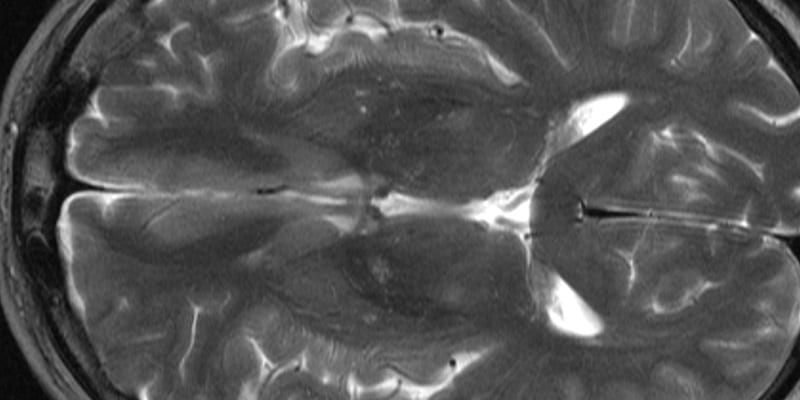
Image: PD

©2024 2 Minute Medicine, Inc. All rights reserved. No works may be reproduced without expressed written consent from 2 Minute Medicine, Inc. Inquire about licensing here. No article should be construed as medical advice and is not intended as such by the authors or by 2 Minute Medicine, Inc.


Tags: chronic diseaseDopaminergic replacement therapyLixisenatideneurologyParkinson’s Disease
Previous Post

Serum neurofilament light chain elevations may be viable as a biomarker for multiple sclerorsis

Next Post

Podiatric care for diabetic patients is associated with reduced risk of major amputation and death

RelatedReports

No difference in mortality for intensive versus standard reduction in blood pressure in intracerebral hemorrhage: The ATACH-2 trial
Emergency

Early control of systolic blood pressure following intracerebral hemorrhage may improve functional recovery

March 24, 2026
Chronic Disease

α-synuclein pathology is associated with faster tau accumulation in women

March 13, 2026
High-intensity treadmill exercise may slow progression of motor symptoms in early Parkinson’s disease
Chronic Disease

Visual perturbation training may be superior to treadmill training for reduction of fall risk in Parkinson’s disease

March 10, 2026
Quick Take: Functional Outcome of Intravenous Thrombolysis in Patients With Lacunar Infarcts in the WAKE-UP Trial
Emergency

Computed tomography angiography of the head and neck may inform emergency management in patients with suspected stroke

March 9, 2026
Next Post
Pediatric DKA associated with recent acute care visits

Podiatric care for diabetic patients is associated with reduced risk of major amputation and death

Significant number of wrong-patient errors in radiology reports

Chest radiograph deep-learning model for cardiac event risk estimation

Vitamin D supplementation amongst post-menopausal women did not improve functional outcomes

Osteoporosis prevalence in patients undergoing peritoneal dialysis is not correlated with vitamin D levels

2 Minute Medicine® is an award winning, physician-run, expert medical media company. Our content is curated, written and edited by practicing health professionals who have clinical and scientific expertise in their field of reporting. Our editorial management team is comprised of highly-trained MD physicians. Join numerous brands, companies, and hospitals who trust our licensed content.

Recent Reports

  • Atopic dermatitis activity is not associated with cardiovascular risk
  • Zorevunersen appears safe and may alleviate symptoms in children with Dravet syndrome
  • Apixaban outperforms rivaroxaban in venous thromboembolism bleeding risk
License Content
Terms of Use | Disclaimer
Cookie Policy
Privacy Statement (EU)
Disclaimer

The Classics in Medicine Paperback Released!

Over the past 30 years, the transition from print to digital media has contributed to an exponential increase in medical literature. In response, 2 Minute Medicine presents 160+ authoritative, physician-written summaries of the most cited landmark trials in medicine.

amazon-logo_blackGet-it-on-iBooks-badge

Click anywhere to close this announcement

  • Specialties
    • All Specialties, All Recent Reports
    • Cardiology
    • Chronic Disease
    • Dermatology
    • Emergency
    • Endocrinology
    • Gastroenterology
    • Imaging and Intervention
    • Infectious Disease
    • Nephrology
    • Neurology
    • Obstetrics
    • Oncology
    • Ophthalmology
    • Pediatrics
    • Pharma
    • Preclinical
    • Psychiatry
    • Public Health
    • Pulmonology
    • Rheumatology
    • Surgery
  • Tools
    • EvidencePulse™
    • RVU Search
    • NPI Registry Lookup
  • Pharma
  • AI News
  • The Scan
  • Classics™
    • 2MM+ Online Access
    • Paperback and Ebook
  • Rewinds
  • Partners
    • License Content
    • Submit Press Release
    • Advertise with Us
  • Account
    • Subscribe
    • Sign-in
    • My account
No Result
View All Result

© 2026 2 Minute Medicine, Inc. - Physician-written medical news.