• About
  • Masthead
  • License Content
  • Advertise
  • Submit Press Release
  • RSS/Email List
  • 2MM Podcast
  • Write for us
  • Contact Us
2 Minute Medicine
No Result
View All Result

No products in the cart.

Sign in
SUBSCRIBE
  • About
  • Specialties
    • All Specialties, All Recent Reports
    • Cardiology
    • Chronic Disease
    • Dermatology
    • Emergency
    • Endocrinology
    • Gastroenterology
    • Imaging and Intervention
    • Infectious Disease
    • Nephrology
    • Neurology
    • Obstetrics
    • Oncology
    • Ophthalmology
    • Pediatrics
    • Pharma
    • Preclinical
    • Psychiatry
    • Public Health
    • Pulmonology
    • Rheumatology
    • Surgery
  • Tools+
    • EvidencePulse™
    • HypeCheck™
    • NPI Registry Lookup
    • RVU Search
  • Pharma
  • AI Roundup
  • The Scan+
  • Classics™+
    • 2MM+ Online Access
    • Paperback and Ebook
  • Rewinds
  • Partners
    • License Content
    • Advertise with Us
2 Minute Medicine
  • About
  • Specialties
    • All Specialties, All Recent Reports
    • Cardiology
    • Chronic Disease
    • Dermatology
    • Emergency
    • Endocrinology
    • Gastroenterology
    • Imaging and Intervention
    • Infectious Disease
    • Nephrology
    • Neurology
    • Obstetrics
    • Oncology
    • Ophthalmology
    • Pediatrics
    • Pharma
    • Preclinical
    • Psychiatry
    • Public Health
    • Pulmonology
    • Rheumatology
    • Surgery
  • Tools+
    • EvidencePulse™
    • HypeCheck™
    • NPI Registry Lookup
    • RVU Search
  • Pharma
  • AI Roundup
  • The Scan+
  • Classics™+
    • 2MM+ Online Access
    • Paperback and Ebook
  • Rewinds
  • Partners
    • License Content
    • Advertise with Us
Sign in
SUBSCRIBE
2 Minute Medicine
Sign in
Subscribe
EvidencePulse™ by 2 Minute Medicine 2026 evidence scan 3 reports You asked top stroke trials 2026 Synthesizing medical evidence... Top 2026 stroke trial results: OCEANIC — ischemic stroke: 6.2% vs 8.4% OPTION* — mRS 0–1: 43.6% vs 34.2% ORIENTAL* — mRS 0–2: 58.6% vs 46.6% *Higher sICH in intervention arms Participants randomizedN OCEANIC 12,327 OPTION 570 ORIENTAL 564 Ask about guidelines or landmark trials... ↑ Try EvidencePulse™ Ask the evidence.
Get the signal.
Try it now → Physician-trained medical AI by 2 Minute Medicine
Home All Specialties Cardiology

Migraines with aura linked to increased cardiovascular disease risk in women
byTeddy GuoandMarc Succi, MD
June 11, 2020
in Cardiology, Chronic Disease, Emergency, Neurology
Reading Time: 3 mins read
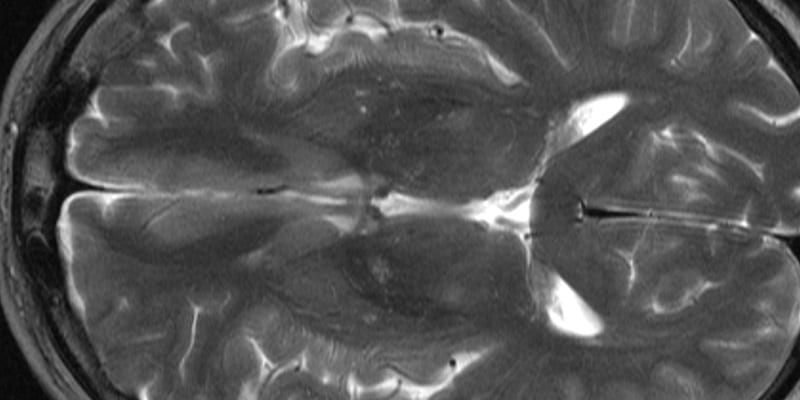
Brain lesions on MRI linked with subsequent increased stroke risk
Share on FacebookShare on Twitter

1. In this cohort of women, those who experienced migraines with aura were associated with an increased adjusted incidence rate for major cardiovascular diseases (CVD) compared to those with migraines without aura or no migraines.

2. After diabetes and smoking, migraines with aura were found to have the highest CVD incidence rate relative to other major vascular risk factors (e.g. triglyceride, HDL cholesterol, systolic blood pressure, etc.).

Evidence Rating Level: 2 (Good) 

Study Rundown: While the association between migraines with aura and incidence of CVD events has been noted in the past, the relative incidence rate compared to other established vascular risk factors had not yet been explored. In this study, researchers evaluated the relative risk for major CVD events between those who experienced migraines with aura and a reference group comprising of those who had migraines without aura or no migraines. Additionally, the incidence risk for major CVD was compared between the self-reported migraines with aura and other vascular risk factors such as elevated triglycerides or low HDL cholesterol. Findings suggest that those who reported having migraines with aura were at an increased risk for major CVD compared to those who experienced migraines without aura or did not experience migraines. Furthermore, migraines with aura were reported to have the third highest adjusted incidence rate for CVD, after diabetes and smoking. This retrospective cohort study collected data from a large sample and effectively evaluated the data using several different statistical comparison models. However, reports of experiencing migraines with aura or CVD events were dichotomous and did not provide insight on the severity or frequency at which these events had occurred. Nonetheless, these findings highlight migraines with aura as another factor to consider when assessing ones’ risk for major CVD events.

Click to read the study in JAMA 

Relevant Reading: Migraine Headache: An Under-Appreciated Risk Factor for Cardiovascular Disease in Women 

RELATED REPORTS

Rimegepant (Nurtec ODT) may be an effective alternative to triptans for symptom relief in migraines

Higher maternal body mass index is associated with increased risk of cardiovascular disease in offspring

Antithrombotic agents may be effective in preventing migraine in patients with patent foramen ovale

In-Depth [retrospective cohort]: Researchers evaluated data obtained from 27 858 women who were enrolled in the Women’s Health Study from 1992 to 2018. Eligible participants were female health professionals of 45 years of age or older, who did not have a history of CVD or cancer. Baseline characteristics related to cardiovascular risk factors and potential confounding variables were collected at the beginning. Participants were also asked to report whether they had experienced any migraines with aura, migraines without aura, or did not experience migraines in the year prior to the baseline assessment. Follow-ups were performed through an annual self-reported questionnaire. Those who reported cardiovascular events had their medical records further reviewed by a committee of physicians. Findings suggest that women who experienced migraines with aura had an adjusted incidence rate of major CVD of 3.36 cases per 1000 person-years (95% confidence interval [CI], 2.72-3.99) compared to 2.11 cases per 1000 person-years (95% CI, 1.98-2.24) in the reference group, those with migraines without aura or no migraines (P < .001). Compared to other risk factors, migraines with aura were reported to have a lower adjusted incidence rate than diabetes (5.76 cases per 1000 person-years [95% CI, 4.68-6.84]; P < .001) and current smoking status (4.29 cases per 1000 person-years [95% CI, 3.79-4.79]; P = .02), but a higher adjusted incidence rate than HDL cholesterol levels less than 40 mg/dL (2.63 cases per 1000-person years [95% CI, 2.33-2.94]; P = .04) and triglycerides greater than 194 mg/dL (2.67 cases per 1000 person-years [95% CI, 2.38-2.95]; P = .043).

Image: PD

©2020 2 Minute Medicine, Inc. All rights reserved. No works may be reproduced without expressed written consent from 2 Minute Medicine, Inc. Inquire about licensing here. No article should be construed as medical advice and is not intended as such by the authors or by 2 Minute Medicine, Inc.


Tags: cardiovascular diseasecholesterolmigraine
Previous Post

Bariatric surgery and long-term survival in patients with obesity and end-stage kidney disease

Next Post

Intra-arterial thrombectomy is associated with improved functional outcomes in stroke patients

RelatedReports

Chronic Disease

Rimegepant (Nurtec ODT) may be an effective alternative to triptans for symptom relief in migraines

October 6, 2026
Behavioral dysregulation in infancy predicts later child mental health
Cardiology

Higher maternal body mass index is associated with increased risk of cardiovascular disease in offspring

September 12, 2026
Prochlorperazine for migraine may lower likelihood of ED return
Chronic Disease

Antithrombotic agents may be effective in preventing migraine in patients with patent foramen ovale

August 7, 2026
Collage of medical tech icons circling a central chip with 'AI Roundup' title and 2 Minute Medicine logo in teal background.
AI Roundup

2MM: AI Roundup: NHS England expands Microsoft Copilot nationwide, ARPA-H advances autonomous cardiovascular AI, FDA advisors back Moderna’s mRNA influenza vaccine, and UpDoc earns first clearance for a patient-facing large language model

September 3, 2026
Next Post
Stroke associated with acute and persistent cognitive decline

Intra-arterial thrombectomy is associated with improved functional outcomes in stroke patients

Quick Take: Effect of Pregabalin on Radiotherapy-Related Neuropathic Pain in Patients With Head and Neck Cancer: A Randomized Controlled Trial

USPSTF Update: Screening adults for unhealthy drug use has moderate net benefit

#VisualAbstract: Viral load dynamics and disease severity in patients infected with SARS-CoV-2 in Zhejiang province, China

#VisualAbstract: Viral load dynamics and disease severity in patients infected with SARS-CoV-2 in Zhejiang province, China

EvidencePulse™ by 2 Minute Medicine 2026 evidence scan 3 reports You asked top stroke trials 2026 Synthesizing medical evidence... Top 2026 stroke trial results: OCEANIC — ischemic stroke: 6.2% vs 8.4% OPTION* — mRS 0–1: 43.6% vs 34.2% ORIENTAL* — mRS 0–2: 58.6% vs 46.6% *Higher sICH in intervention arms Participants randomizedN OCEANIC 12,327 OPTION 570 ORIENTAL 564 Ask about guidelines or landmark trials... ↑ Try EvidencePulse™ Get the signal. Try it now → Physician-trained medical AI by 2 Minute Medicine

2MM+ All Access

Full details →
$4.99 /month

3-day free trial · cancel anytime

  • ✓100+ physician-written reports
  • ✓EvidencePulse™ + HypeCheck™
  • ✓Ad-free reading + newsletters
Start 3-day free trial

Then $4.99/month. Manage renewal in your account.

2 Minute Medicine® is an award winning, physician-run, expert medical media company. Our content is curated, written and edited by practicing health professionals who have clinical and scientific expertise in their field of reporting. Our editorial management team is comprised of highly-trained MD physicians. Join numerous brands, companies, and hospitals who trust our licensed content.

Recent Reports

  • Gepotidacin (Blujepa) is safe and effective in women with uncomplicated urinary tract infections
  • Most routine blood tests do not require prolonged fasting
  • Pairing cardiac magnetic resonance with electrocardiograms (ECGs) improved artificial intelligence (AI) assessments of cardiovascular diseases
License Content
Terms of Use | Disclaimer
Cookie Policy
Cleantalk Pixel
2MM+ All Access Full details →

The medical literature, distilled daily.

Monthly plan selected: $4.99 /month.

$4.99/month

3-day free trial · cancel anytime

Start 3-day free trial

Then $4.99/month. Manage renewal in your account.

Yearly plan selected: $49.90 /year.

$49.90/year

2 months free

Start 3-day free trial

Then $49.90/year.

Membership benefits

  • ✓100+ physician-written reports
  • ✓AI EvidencePulse™ + HypeCheck™
  • ✓Ad-free reading + newsletters

Already a member? Sign in

  • About
  • Specialties
    • All Specialties, All Recent Reports
    • Cardiology
    • Chronic Disease
    • Dermatology
    • Emergency
    • Endocrinology
    • Gastroenterology
    • Imaging and Intervention
    • Infectious Disease
    • Nephrology
    • Neurology
    • Obstetrics
    • Oncology
    • Ophthalmology
    • Pediatrics
    • Pharma
    • Preclinical
    • Psychiatry
    • Public Health
    • Pulmonology
    • Rheumatology
    • Surgery
  • Tools
    • EvidencePulse™
    • HypeCheck™
    • NPI Registry Lookup
    • RVU Search
  • Pharma
  • AI Roundup
  • The Scan
  • Classics™
    • 2MM+ Online Access
    • Paperback and Ebook
  • Rewinds
  • Partners
    • License Content
    • Advertise with Us
No Result
View All Result

© 2026 2 Minute Medicine, Inc. - Physician-written medical news.