



• About
  • Masthead
  • License Content
  • Advertise
  • Submit Press Release
  • RSS/Email List
  • 2MM Podcast
  • Write for us
  • Contact Us
2 Minute Medicine
No Result
View All Result

No products in the cart.

SUBSCRIBE
  • Specialties
    • All Specialties, All Recent Reports
    • Cardiology
    • Chronic Disease
    • Dermatology
    • Emergency
    • Endocrinology
    • Gastroenterology
    • Imaging and Intervention
    • Infectious Disease
    • Nephrology
    • Neurology
    • Obstetrics
    • Oncology
    • Ophthalmology
    • Pediatrics
    • Pharma
    • Preclinical
    • Psychiatry
    • Public Health
    • Pulmonology
    • Rheumatology
    • Surgery
  • Tools
    • EvidencePulse™
    • RVU Search
    • NPI Registry Lookup
  • Pharma
  • AI News
  • The Scan+
  • Classics™+
    • 2MM+ Online Access
    • Paperback and Ebook
  • Rewinds
  • Partners
    • License Content
    • Submit Press Release
    • Advertise with Us
  • Account
    • Subscribe
    • Sign-in
    • My account
2 Minute Medicine
  • Specialties
    • All Specialties, All Recent Reports
    • Cardiology
    • Chronic Disease
    • Dermatology
    • Emergency
    • Endocrinology
    • Gastroenterology
    • Imaging and Intervention
    • Infectious Disease
    • Nephrology
    • Neurology
    • Obstetrics
    • Oncology
    • Ophthalmology
    • Pediatrics
    • Pharma
    • Preclinical
    • Psychiatry
    • Public Health
    • Pulmonology
    • Rheumatology
    • Surgery
  • Tools
    • EvidencePulse™
    • RVU Search
    • NPI Registry Lookup
  • Pharma
  • AI News
  • The Scan+
  • Classics™+
    • 2MM+ Online Access
    • Paperback and Ebook
  • Rewinds
  • Partners
    • License Content
    • Submit Press Release
    • Advertise with Us
  • Account
    • Subscribe
    • Sign-in
    • My account
SUBSCRIBE
2 Minute Medicine
Subscribe
Home All Specialties Infectious Disease

Moderna mRNA COVID-19 vaccine is safe in children six months to five years of age

byDavid XiangandKiera Liblik
November 16, 2022
in Infectious Disease, Pediatrics, Public Health, Pulmonology
Reading Time: 2 mins read
0
Share on FacebookShare on Twitter

1. Two doses of the Moderna coronavirus disease 2019 (COVID-19) vaccine were not associated with a significant increase in serious adverse events in children six months to five years old.

2. Two doses of the Moderna vaccine were associated with immune responses in children that were noninferior to those in young adults.

Evidence Rating Level: 1 (Excellent)

Study Rundown: The Moderna (mRNA-1273) vaccine is a COVID-19 messenger RNA vaccine that has been found to be safe and efficacious in preventing illness from SARS-CoV-2 infections in adults, adolescents, and older children (six to 11 years of age). It is approved for use in the United States, and though efficacy is lower against the omicron variant than against other variants, two Moderna injections have been shown to continue to protect against hospitalization and death. However, there is a gap in knowledge as to understanding the safety and efficacy of the Moderna vaccine in children six months to five years of age. Overall, this study found that two injections of the Moderna vaccine had acceptable reactogenicity, safety, and effectiveness during a period when omicron was the predominant circulating variant. This study was limited by including generally healthy children and children with stable medical conditions. It was also underpowered to detect rare adverse events, though widespread use of the vaccine in children after authorization may reveal other less frequent or more serious adverse events.

Click to read the study in NEJM

Relevant Reading: Antibody Persistence through 6 Months after the Second Dose of mRNA-1273 Vaccine for Covid-19

RELATED REPORTS

Mobile telemedicine is associated with higher chances of initiating hepatitis C virus treatment in intravenous drug users with chronic hepatitis C

Television CPR scripts undercut bystander response in real emergencies

Pediatric patients with chronic medical conditions may have higher risk of invasive pneumococcal disease

In-Depth [randomized controlled trial]: This observer-blinded, randomized, placebo-controlled trial was conducted across 79 sites in the United States and eight sites in Canada. Patients who were six months to five years of age and healthy or with stable chronic conditions such as asthma or diabetes mellitus were eligible for the study. The primary outcome measured was serum antibody geometric mean concentrations and serologic responses among these children as compared with those among young adults who also received two injections of the Moderna vaccine. Outcomes in the primary analysis were assessed via per-protocol analysis and compared the mean concentrations with the Clopper-Pearson method and Miettinen-Nurminen methods. Based on the primary analysis, on day 57, neutralizing antibody geometric mean concentrations were 1,410 (95% Confidence Interval [CI], 1,272 to 1,563) among two to five-year-olds and 1,781 (95% CI, 1,616 to 1,962) among six to 23-month-olds, as compared with 1,391 (95% CI, 1263 to 1531) among young adults. This was deemed to meet the noninferiority criteria for immune responses across both age cohorts. Additionally, the estimated vaccine efficacy against COVID-19 was 36.8% (95% CI, 12.5 to 54.0) among two to five-year-olds and 50.6% (95% CI, 21.4 to 68.6) among six to 23-month-olds. Overall, this study demonstrated that the Moderna mRNA COVID-19 vaccine is safe and effective for use in children six months to five years of age.

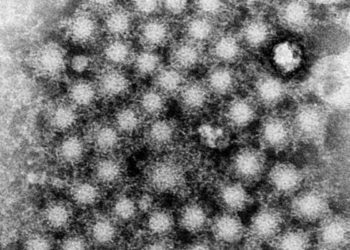
Image: PD

©2022 2 Minute Medicine, Inc. All rights reserved. No works may be reproduced without expressed written consent from 2 Minute Medicine, Inc. Inquire about licensing here. No article should be construed as medical advice and is not intended as such by the authors or by 2 Minute Medicine, Inc.

Tags: Coronavirus disease 2019COVID-19immunologyinfectious diseasemoderna vaccinemRNA COVID-19 vaccinemRNA vaccinepediatricspublic healthpulmonology
Previous Post

Triple mRNA vaccination and previous COVID-19 exposure provide protection against the omicron variant

Next Post

Heliobacter pylori eradication significantly reduces the risk of short-term hospitalization in patients taking low dose aspirin

RelatedReports

Screening insufficient for newborns exposed to hepatitis C virus
Chronic Disease

Mobile telemedicine is associated with higher chances of initiating hepatitis C virus treatment in intravenous drug users with chronic hepatitis C

February 2, 2026
Bystander CPR positively associated with cardiac arrest survival
Cardiology

Television CPR scripts undercut bystander response in real emergencies

February 3, 2026
Medical vaccine exemptions increase after elimination of nonmedical exemptions
Chronic Disease

Pediatric patients with chronic medical conditions may have higher risk of invasive pneumococcal disease

January 27, 2026
Infectious Disease

Appendectomy is associated with increased risk of non-typhoidal Salmonella infection in children

January 26, 2026
Next Post
Ultrasound enhances gastrointestinal absorption of drugs at low frequencies

Heliobacter pylori eradication significantly reduces the risk of short-term hospitalization in patients taking low dose aspirin

Uninterrupted warfarin therapy safe for endovascular procedures

Patient specific instrumentation associated with less operating time for total knee arthroplasties

#VisualAbstract: Second-line immunosuppression associated with worse outcomes for immune-related adverse events in melanoma

#VisualAbstract: Second-line immunosuppression associated with worse outcomes for immune-related adverse events in melanoma

2 Minute Medicine® is an award winning, physician-run, expert medical media company. Our content is curated, written and edited by practicing health professionals who have clinical and scientific expertise in their field of reporting. Our editorial management team is comprised of highly-trained MD physicians. Join numerous brands, companies, and hospitals who trust our licensed content.

Recent Reports

  • Second-stage cesarean and operative vaginal deliveries are associated with similar neurodevelopmental outcomes in children
  • Isotonic Fluids Reduce Hyponatremia in Hospitalized Children
  • A planetary health diet is associated with a lower risk of developing chronic kidney disease
License Content
Terms of Use | Disclaimer
Cookie Policy
Privacy Statement (EU)
Disclaimer

© 2025 2 Minute Medicine, Inc. - Physician-written medical news.

  • Specialties
    • All Specialties, All Recent Reports
    • Cardiology
    • Chronic Disease
    • Dermatology
    • Emergency
    • Endocrinology
    • Gastroenterology
    • Imaging and Intervention
    • Infectious Disease
    • Nephrology
    • Neurology
    • Obstetrics
    • Oncology
    • Ophthalmology
    • Pediatrics
    • Pharma
    • Preclinical
    • Psychiatry
    • Public Health
    • Pulmonology
    • Rheumatology
    • Surgery
  • Tools
    • EvidencePulse™
    • RVU Search
    • NPI Registry Lookup
  • Pharma
  • AI News
  • The Scan
  • Classics™
    • 2MM+ Online Access
    • Paperback and Ebook
  • Rewinds
  • Partners
    • License Content
    • Submit Press Release
    • Advertise with Us
  • Account
    • Subscribe
    • Sign-in
    • My account
No Result
View All Result

© 2025 2 Minute Medicine, Inc. - Physician-written medical news.