• About
  • Masthead
  • License Content
  • Advertise
  • Submit Press Release
  • RSS/Email List
  • 2MM Podcast
  • Write for us
  • Contact Us
2 Minute Medicine
No Result
View All Result

No products in the cart.

Sign in
SUBSCRIBE
  • About
  • Specialties
    • All Specialties, All Recent Reports
    • Cardiology
    • Chronic Disease
    • Dermatology
    • Emergency
    • Endocrinology
    • Gastroenterology
    • Imaging and Intervention
    • Infectious Disease
    • Nephrology
    • Neurology
    • Obstetrics
    • Oncology
    • Ophthalmology
    • Pediatrics
    • Pharma
    • Preclinical
    • Psychiatry
    • Public Health
    • Pulmonology
    • Rheumatology
    • Surgery
  • Tools+
    • EvidencePulse™
    • HypeCheck™
    • NPI Registry Lookup
    • RVU Search
  • Pharma
  • AI Roundup
  • The Scan+
  • Classics™+
    • 2MM+ Online Access
    • Paperback and Ebook
  • Rewinds
  • Partners
    • License Content
    • Advertise with Us
2 Minute Medicine
  • About
  • Specialties
    • All Specialties, All Recent Reports
    • Cardiology
    • Chronic Disease
    • Dermatology
    • Emergency
    • Endocrinology
    • Gastroenterology
    • Imaging and Intervention
    • Infectious Disease
    • Nephrology
    • Neurology
    • Obstetrics
    • Oncology
    • Ophthalmology
    • Pediatrics
    • Pharma
    • Preclinical
    • Psychiatry
    • Public Health
    • Pulmonology
    • Rheumatology
    • Surgery
  • Tools+
    • EvidencePulse™
    • HypeCheck™
    • NPI Registry Lookup
    • RVU Search
  • Pharma
  • AI Roundup
  • The Scan+
  • Classics™+
    • 2MM+ Online Access
    • Paperback and Ebook
  • Rewinds
  • Partners
    • License Content
    • Advertise with Us
Sign in
SUBSCRIBE
2 Minute Medicine
Sign in
Subscribe
EvidencePulse™ by 2 Minute Medicine 2026 evidence scan 3 reports You asked top stroke trials 2026 Synthesizing medical evidence... Top 2026 stroke trial results: OCEANIC — ischemic stroke: 6.2% vs 8.4% OPTION* — mRS 0–1: 43.6% vs 34.2% ORIENTAL* — mRS 0–2: 58.6% vs 46.6% *Higher sICH in intervention arms Participants randomizedN OCEANIC 12,327 OPTION 570 ORIENTAL 564 Ask about guidelines or landmark trials... ↑ Try EvidencePulse™ Ask the evidence.
Get the signal.
Try it now → Physician-trained medical AI by 2 Minute Medicine
Home All Specialties Infectious Disease

Molnupiravir and nirmatrelvir-ritonavir reduce COVID-19 mortality in hospitalized patients

byDavid XiangandKiera Liblik
March 29, 2023
in Infectious Disease, Public Health, Pulmonology
Reading Time: 3 mins read
SARS-CoV-2 detected on various surroundings of asymptomatic COVID-19 positive infant
Share on FacebookShare on TwitterShare on LinkedIn

1. In this trial emulation study, molnupiravir and nirmatrelvir-ritonavir reduced all-cause mortality in vaccinated and unvaccinated hospitalized patients with coronavirus disease 2019 (COVID-19).

2. Molnupiravir and nirmatrelvir-ritonavir did not cause any significant reduction in intensive care unit (ICU) admissions or need for ventilatory support.

Evidence Rating Level: 1 (Excellent)

Study Rundown: Molnupiravir and nirmatrelvir-ritonavir have been authorized by the United States Food and Drug Administration for emergency use in non-hospitalized patients for the treatment of COVID-19. Phase three randomized controlled trials have demonstrated the efficacy and safety of molnupiravir and nirmatrelvir-ritonavir with some inconsistency. Therefore, there remains a gap in knowledge as to the effectiveness of molnupiravir and nirmatrelvir-ritonavir in reducing mortality and severe COVID-19 in the inpatient setting. Overall, this study found that molnupiravir and nirmatrelvir-ritonavir reduced all-cause mortality in vaccinated and unvaccinated hospitalized patients with COVID-19. Though, they did not cause a significant reduction in ICU admission or the need for ventilatory support. This study was limited by not directly comparing the effectiveness of molnupiravir versus nirmatrelvir-ritonavir in vaccinated people. This study excluded patients with prior SARS-CoV-2 infections, as well as not having information on days from symptom onset and site of hospitalization. Nevertheless, the findings are significant, as they demonstrated that molnupiravir and nirmatrelvir-ritonavir were associated with a lower risk of death among hospitalized patients with COVID-19 regardless of vaccination status. However, no significant reduction in ICU admission or need for ventilatory support was observed.

Click to read the study in AIM

Relevant Reading: Nirmatrelvir Plus Ritonavir for Early COVID-19 in a Large U.S. Health System

RELATED REPORTS

Artificial intelligence (AI)-triggered rapid response notifications were associated with lower mortality among inpatients

Chronic exposure to particulate matter is associated with increased cardiovascular risk

In-Depth [trial emulation study]: This trial emulation study used clinical data from hospital records from the Centre for Health Protection of the Government of the Hong Kong Special Administrative Region. Patients aged 18 years or older hospitalized with COVID-19 were eligible for the study. Patients who had a history of COVID-19 before the start of the inclusion period (hospitalized with SARSCoV- 2 reinfections during the inclusion period); receipt of either molnupiravir or nirmatrelvir–ritonavir before the index date (started antiviral treatment in the community setting); or admission to the ICU, receipt of ventilatory support, or death on the index date were excluded from the study. The primary outcome measured was all-cause mortality. Outcomes in the primary analysis were assessed via a per-protocol analysis with the Charlson Comorbidity Index and pooled logistic regression models. Based on the primary analysis, the use of molnupiravir or nirmatrelvir-ritonavir in hospitalized patients with COVID-19 was associated with a lower risk for all-cause mortality (molnupiravir: Hazard Ratio [HR], 0.87; 95% Confidence Interval [CI], 0.81 to 0.93; nirmatrelvir–ritonavir: HR, 0.77; 95% CI, 0.66 to 0.90) but no significant risk reduction in terms of ICU admission (molnupiravir: HR, 1.02; 95% CI, 0.76 to 1.36; nirmatrelvir–ritonavir: HR, 1.08; 95% CI, 0.58 to 2.02) or the need for ventilatory support (molnupiravir: HR, 1.07; 95% CI, 0.89 to 1.30; nirmatrelvir–ritonavir: HR, 1.03; 95% CI, 0.70 to 1.52). No significant differences in outcomes when stratifying drug treatment based on the number of COVID-19 vaccine doses received was observed. In summary, this study demonstrated that molnupiravir and nirmatrelvir-ritonavir effectively reduced all-cause mortality in hospitalized patients with COVID-19.

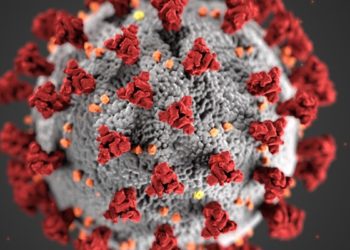
Image: PD

©2023 2 Minute Medicine, Inc. All rights reserved. No works may be reproduced without expressed written consent from 2 Minute Medicine, Inc. Inquire about licensing here. No article should be construed as medical advice and is not intended as such by the authors or by 2 Minute Medicine, Inc.


Tags: Coronavirus disease 2019COVID-19critical careICUinfectious diseaseintensive care unitmolnupiravirNirmatrelvir-ritonavirpublic healthpulmonologyrespirology
Previous Post

Spirituality may help patients with weight management after bariatric surgery

Next Post

Lebrikizumab effective in treating moderate-to-severe atopic dermatitis

RelatedReports

A depiction of a heart, a vaccine vial, and a COVID-19 virus, with an ECG waveform in the background.
Artificial Intelligence

Artificial intelligence (AI)-triggered rapid response notifications were associated with lower mortality among inpatients

October 2, 2026
A senior woman looks thoughtfully at a balance scale with a stethoscope and a heart illustration, symbolizing the assessment of cardiovascular risk and treatment decisions.
Cardiology

Chronic exposure to particulate matter is associated with increased cardiovascular risk

September 10, 2026
Novel coronavirus identified from patients with pneumonia in Wuhan, China
Emergency

Lower levels of education and place of birth were associated with non-admission to the intensive care unit in Sweden during COVID-19 pandemic

September 1, 2026
“Housing First” linked to housing stability for homeless youth with mental illness
Public Health

Mortality in the post-housing period is high among homeless people in Ottawa, Canada

August 31, 2026
Next Post
Pimecrolimus effective first-line treatment for atopic dermatitis

Lebrikizumab effective in treating moderate-to-severe atopic dermatitis

No difference in PET-CT surveillance versus planned neck dissection in advanced head and neck cancer

Hyperfractionated radiotherapy reduces complication rates compared to standard fractionation for locally advanced nasopharyngeal carcinoma

Paternal factors associated with short interpregnancy interval

SAR-CoV-2 infection during pregnancy may lead to adverse neurodevelopmental outcomes in male offspring

EvidencePulse™ by 2 Minute Medicine 2026 evidence scan 3 reports You asked top stroke trials 2026 Synthesizing medical evidence... Top 2026 stroke trial results: OCEANIC — ischemic stroke: 6.2% vs 8.4% OPTION* — mRS 0–1: 43.6% vs 34.2% ORIENTAL* — mRS 0–2: 58.6% vs 46.6% *Higher sICH in intervention arms Participants randomizedN OCEANIC 12,327 OPTION 570 ORIENTAL 564 Ask about guidelines or landmark trials... ↑ Try EvidencePulse™ Get the signal. Try it now → Physician-trained medical AI by 2 Minute Medicine

2MM+ All Access

Full details →
$4.99 /month

3-day free trial · cancel anytime

  • ✓100+ physician-written reports
  • ✓EvidencePulse™ + HypeCheck™
  • ✓Ad-free reading + newsletters
Start 3-day free trial

Then $4.99/month. Manage renewal in your account.

NPI Lookup · Free

Look up any US clinician

Search by name or NPI number, live from the CMS NPI Registry.

  • OIG exclusion check
  • Licenses and specialties
  • No account needed
Open NPI Lookup →

2 Minute Medicine® is an award winning, physician-run, expert medical media company. Our content is curated, written and edited by practicing health professionals who have clinical and scientific expertise in their field of reporting. Our editorial management team is comprised of highly-trained MD physicians. Join numerous brands, companies, and hospitals who trust our licensed content.

Recent Reports

  • Artificial intelligence (AI)-powered mental health app demonstrated improved social well-being among users
  • Children with intellectual and developmental disabilities have increased risks of depression and anxiety
  • Gabapentin (Neurontin) prescription for chronic low back pain in adults is associated with a higher risk of dementia
License Content
Terms of Use | Disclaimer
Cookie Policy
2MM+ All Access Full details →

The medical literature, distilled daily.

Monthly plan selected: $4.99 /month.

$4.99/month

3-day free trial · cancel anytime

Start 3-day free trial

Then $4.99/month. Manage renewal in your account.

Yearly plan selected: $49.90 /year.

$49.90/year

2 months free

Start 3-day free trial

Then $49.90/year.

Membership benefits

  • ✓100+ physician-written reports
  • ✓AI EvidencePulse™ + HypeCheck™
  • ✓EvidencePulse™ Deep research reports
  • ✓Ad-free reading + newsletters
  • ✓NPI watchlist + bulk NPI verification

Already a member? Sign in

  • About
  • Specialties
    • All Specialties, All Recent Reports
    • Cardiology
    • Chronic Disease
    • Dermatology
    • Emergency
    • Endocrinology
    • Gastroenterology
    • Imaging and Intervention
    • Infectious Disease
    • Nephrology
    • Neurology
    • Obstetrics
    • Oncology
    • Ophthalmology
    • Pediatrics
    • Pharma
    • Preclinical
    • Psychiatry
    • Public Health
    • Pulmonology
    • Rheumatology
    • Surgery
  • Tools
    • EvidencePulse™
    • HypeCheck™
    • NPI Registry Lookup
    • RVU Search
  • Pharma
  • AI Roundup
  • The Scan
  • Classics™
    • 2MM+ Online Access
    • Paperback and Ebook
  • Rewinds
  • Partners
    • License Content
    • Advertise with Us
No Result
View All Result

© 2026 2 Minute Medicine, Inc. - Physician-written medical news.