


• About
  • Masthead
  • License Content
  • Advertise
  • Submit Press Release
  • RSS/Email List
  • 2MM Podcast
  • Write for us
  • Contact Us
2 Minute Medicine
No Result
View All Result

No products in the cart.

SUBSCRIBE
  • Specialties
    • All Specialties, All Recent Reports
    • Cardiology
    • Chronic Disease
    • Dermatology
    • Emergency
    • Endocrinology
    • Gastroenterology
    • Imaging and Intervention
    • Infectious Disease
    • Nephrology
    • Neurology
    • Obstetrics
    • Oncology
    • Ophthalmology
    • Pediatrics
    • Pharma
    • Preclinical
    • Psychiatry
    • Public Health
    • Pulmonology
    • Rheumatology
    • Surgery
  • Tools
    • EvidencePulse™
    • RVU Search
    • NPI Registry Lookup
  • Pharma
  • AI News
  • The Scan+
  • Classics™+
    • 2MM+ Online Access
    • Paperback and Ebook
  • Rewinds
  • Partners
    • License Content
    • Submit Press Release
    • Advertise with Us
  • Account
    • Subscribe
    • Sign-in
    • My account
2 Minute Medicine
  • Specialties
    • All Specialties, All Recent Reports
    • Cardiology
    • Chronic Disease
    • Dermatology
    • Emergency
    • Endocrinology
    • Gastroenterology
    • Imaging and Intervention
    • Infectious Disease
    • Nephrology
    • Neurology
    • Obstetrics
    • Oncology
    • Ophthalmology
    • Pediatrics
    • Pharma
    • Preclinical
    • Psychiatry
    • Public Health
    • Pulmonology
    • Rheumatology
    • Surgery
  • Tools
    • EvidencePulse™
    • RVU Search
    • NPI Registry Lookup
  • Pharma
  • AI News
  • The Scan+
  • Classics™+
    • 2MM+ Online Access
    • Paperback and Ebook
  • Rewinds
  • Partners
    • License Content
    • Submit Press Release
    • Advertise with Us
  • Account
    • Subscribe
    • Sign-in
    • My account
SUBSCRIBE
2 Minute Medicine
Subscribe
Home All Specialties Chronic Disease

mRNA vaccine boosters less effective against the omicron variant in Qatar

byDavid XiangandHarsh Shah
March 22, 2022
in Chronic Disease, Infectious Disease, Public Health
Reading Time: 3 mins read
0
Share on FacebookShare on Twitter

1. mRNA booster vaccines for Covid-19 were highly effective against delta infection but less effective against omicron infection.

2. mRNA booster vaccines demonstrated strong protection against Covid-19 related hospitalization and death due to both variants.

Evidence Rating Level: 2 (Good)

Study Rundown: Qatar launched a booster vaccination program in mid-September 2021 to combat the immune-evasive omicron variant of Covid-19. Both the Pfizer-BioNTech and the Moderna mRNA vaccines were used. However, there is a gap in knowledge as to understanding the effectiveness of booster vaccination against symptomatic Covid-19-related hospitalization and death as compared to the two-dose primary series alone. This study found that based on the national cohort of vaccinated persons in Qatar, mRNA boosters were highly effective against delta infection but less effective against the omicron variant, and led to strong protection against Covid-19 related hospitalization and death due to both variants. This study was limited by factors such as the lower severity of omicron as compared to previous variants, the young population of Qatar, and the time lag between infection and severe forms of Covid-19, as well as being unable to match cohorts for factors such as coexisting conditions, occupation, or geographic location. Nevertheless, these study’s findings are significant, as they demonstrate those mRNA boosters are effective against the delta variant and less so for the omicron variant, but still, demonstrate effectiveness against serious adverse outcomes such as hospitalization and death amongst vaccinated people in Qatar.

Click to read the study in NEJM

Relevant Reading: BNT162b2 Vaccine Booster and Covid-19 Mortality

RELATED REPORTS

Cardiac arrhythmias may be common among hospitalized adults with COVID-19 and no structural heart disease

2 Minute Medicine Rewind December 1st, 2025

Exercise may improve physical function and psychological well-being following COVID-19 infection in adults

In-Depth [retrospective cohort study]: This retrospective cohort study analyzed a population of 2,239,193 persons in Qatar who had received either two doses of the Pfizer-BioNTech or Moderna vaccine between December 2021 and January 2022. Those who also received a booster were matched with persons who did not receive a booster. Patients who had received at least 2 doses of the Pfizer-BioNTech or Moderna vaccine were eligible for the study. Patients who had previously documented infection before the start of follow-up were excluded from the study. The primary outcome was a symptomatic infection, defined as a positive PCR test of a nasopharyngeal swab based on clinical symptomology compatible with respiratory tract infection. Outcomes in the primary analysis were conducted via matched cohorts and Cox proportional-hazards regression models. Based on the analysis, the cumulative incidence of symptomatic omicron infection was 2.5% (95% confidence interval [CI], 2.3 to 2.5) amongst Pfizer-BioNTech vaccinated persons who received a booster, and 4.5% (95% CI, 4.3 to 4.6) in the non-booster cohort after 35 days of follow-up. Booster effectiveness against symptomatic omicron infection compared to patients who only received a 2-dose primary series was 49.4% (95% CI, 47.1 to 51.6). Booster effectiveness against symptomatic delta infection compared to the primary 2-dose series was 86.1% (95% CI, 67.3 to 94.1). And for Covid-19-related hospitalization and death due to omicron, booster effectiveness as compared to the primary series was 76.5% (95% CI, 67.3 to 94.1). Overall, this study demonstrated that mRNA boosters were highly effective against the delta variant and less effective against the omicron variant, but offered strong protection against both strains for related hospitalization and death.

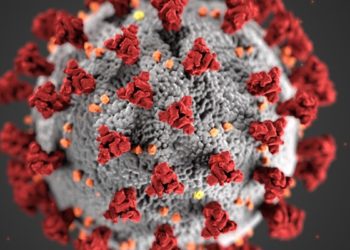
Image: PD

©2022 2 Minute Medicine, Inc. All rights reserved. No works may be reproduced without expressed written consent from 2 Minute Medicine, Inc. Inquire about licensing here. No article should be construed as medical advice and is not intended as such by the authors or by 2 Minute Medicine, Inc.

Tags: CoronavirusCOVID-19COVID-19 VaccineDelta variantOmicron variantQatarSARS-CoV-2sars-cov-2 variants
Previous Post

Donidalorsen reduces attacks in patients with C1 inhibitor deficiency

Next Post

#VisualAbstract: Immunocompromised individuals may be at an increased risk of metastses with cutaneous squamous cell carcinomas

RelatedReports

Novel coronavirus identified from patients with pneumonia in Wuhan, China
Cardiology

Cardiac arrhythmias may be common among hospitalized adults with COVID-19 and no structural heart disease

January 13, 2026
Lariat device for left atrial appendage exclusion associated with adverse events
Weekly Rewinds

2 Minute Medicine Rewind December 1st, 2025

January 13, 2026
Novel coronavirus identified from patients with pneumonia in Wuhan, China
Health

Exercise may improve physical function and psychological well-being following COVID-19 infection in adults

January 13, 2026
Lariat device for left atrial appendage exclusion associated with adverse events
Weekly Rewinds

2 Minute Medicine Rewind November 17, 2025

January 13, 2026
Next Post
#VisualAbstract: Immunocompromised individuals may be at an increased risk of metastses with cutaneous squamous cell carcinomas

#VisualAbstract: Immunocompromised individuals may be at an increased risk of metastses with cutaneous squamous cell carcinomas

Intensive rehabilitation not superior to traditional therapy for arm function after stroke

Tranexamic acid is unlikely to induce signs suggestive of cerebral ischemia in the treatment of acute intracerebral hemorrhage: TICH-2 study

Intensive rehabilitation not superior to traditional therapy for arm function after stroke

Increased risk of intracranial hemorrhage with aspirin and unfractionated heparin use for endovascular stroke treatment

2 Minute Medicine® is an award winning, physician-run, expert medical media company. Our content is curated, written and edited by practicing health professionals who have clinical and scientific expertise in their field of reporting. Our editorial management team is comprised of highly-trained MD physicians. Join numerous brands, companies, and hospitals who trust our licensed content.

Recent Reports

  • Elevated blood pressure at discharge from delivery hospitalization predicts earlier admission postpartum
  • Physicians slightly more likely to die at home or hospice
  • Prenatal depression and gestational diabetes are associated with increased risk of childhood obesity
License Content
Terms of Use | Disclaimer
Cookie Policy
Privacy Statement (EU)
Disclaimer

© 2025 2 Minute Medicine, Inc. - Physician-written medical news.

  • Specialties
    • All Specialties, All Recent Reports
    • Cardiology
    • Chronic Disease
    • Dermatology
    • Emergency
    • Endocrinology
    • Gastroenterology
    • Imaging and Intervention
    • Infectious Disease
    • Nephrology
    • Neurology
    • Obstetrics
    • Oncology
    • Ophthalmology
    • Pediatrics
    • Pharma
    • Preclinical
    • Psychiatry
    • Public Health
    • Pulmonology
    • Rheumatology
    • Surgery
  • Tools
    • EvidencePulse™
    • RVU Search
    • NPI Registry Lookup
  • Pharma
  • AI News
  • The Scan
  • Classics™
    • 2MM+ Online Access
    • Paperback and Ebook
  • Rewinds
  • Partners
    • License Content
    • Submit Press Release
    • Advertise with Us
  • Account
    • Subscribe
    • Sign-in
    • My account
No Result
View All Result

© 2025 2 Minute Medicine, Inc. - Physician-written medical news.
