• About
  • Masthead
  • License Content
  • Advertise
  • Press Releases
  • Newsroom
  • RSS/Email List
  • 2MM Podcast
  • Write for us
  • Contact Us
2 Minute Medicine
No Result
View All Result

No products in the cart.

Sign in
SUBSCRIBE
  • About
  • Specialties
    • All Specialties, All Recent Reports
    • Cardiology
    • Chronic Disease
    • Dermatology
    • Emergency
    • Endocrinology
    • Gastroenterology
    • Imaging and Intervention
    • Infectious Disease
    • Nephrology
    • Neurology
    • Obstetrics
    • Oncology
    • Ophthalmology
    • Pediatrics
    • Pharma
    • Preclinical
    • Psychiatry
    • Public Health
    • Pulmonology
    • Rheumatology
    • Surgery
    • Rewinds
    • The Scan
  • EvidencePulse™
  • HypeCheck™
  • AI News
  • Classics™
    • 2MM+ Online Access
    • Paperback and Ebook
  • Tools
    • NPI Registry Lookup
    • RVU Search
  • Partners
    • License Content
    • Advertise with Us
2 Minute Medicine
  • About
  • Specialties
    • All Specialties, All Recent Reports
    • Cardiology
    • Chronic Disease
    • Dermatology
    • Emergency
    • Endocrinology
    • Gastroenterology
    • Imaging and Intervention
    • Infectious Disease
    • Nephrology
    • Neurology
    • Obstetrics
    • Oncology
    • Ophthalmology
    • Pediatrics
    • Pharma
    • Preclinical
    • Psychiatry
    • Public Health
    • Pulmonology
    • Rheumatology
    • Surgery
    • Rewinds
    • The Scan
  • EvidencePulse™
  • HypeCheck™
  • AI News
  • Classics™
    • 2MM+ Online Access
    • Paperback and Ebook
  • Tools
    • NPI Registry Lookup
    • RVU Search
  • Partners
    • License Content
    • Advertise with Us
Sign in
SUBSCRIBE
2 Minute Medicine
Sign in
Subscribe
2 Minute MedicineFree on Google PlayGet
✦ EvidencePulse™ by 2 Minute Medicine 2026 evidence scan 3 reports You asked top stroke trials 2026 Synthesizing medical evidence... Top 2026 stroke trial results: OCEANIC — ischemic stroke: 6.2% vs 8.4% OPTION* — mRS 0–1: 43.6% vs 34.2% ORIENTAL* — mRS 0–2: 58.6% vs 46.6% *Higher sICH in intervention arms Participants randomizedN OCEANIC 12,327 OPTION 570 ORIENTAL 564 Ask about guidelines or landmark trials... ↑ Try EvidencePulse™ Ask the evidence.
Get the signal.
Try it now → Physician-trained medical AI by 2 Minute Medicine
Home All Specialties Obstetrics

Nasal high-flow therapy improves likelihood of neonatal intubation
byDavid XiangandHarsh Shah
May 13, 2022
in Obstetrics, Pediatrics, Pulmonology, Surgery
Reading Time: 3 mins read
Low evidence for glycerin use in preterm infants
Share on FacebookShare on TwitterShare on LinkedIn

1. In infants undergoing endotracheal intubation, nasal high-flow therapy improved the likelihood of successful intubation on the first attempt.

2. Nasal high-flow therapy did not cause physiological instability in the infant while undergoing endotracheal intubation.

Evidence Rating Level: 1 (Excellent)

Study Rundown: Rates of successful neonatal intubation on the first attempt are low, due to a multitude of factors, including inexperienced operators and a longer duration of intubation attempt. Additionally, the increasing use of noninvasive respiratory support and surfactant administration techniques for use in preterm infants has contributed to a declining trend in clinicians being proficient in neonatal intubation. However, successful first intubation is crucial, as repeat attempts are associated with adverse events such as intraventricular hemorrhage and airway injury. Nasal high-flow therapy has been proposed to aid intubation attempts and prolong the safe apneic window and has shown to be helpful in older children and adults. However, there is a gap in knowledge as to understanding the benefit of high-flow therapy during intubation in neonates. This study found that high-flow therapy during oral neonatal endotracheal intubation improves the likelihood of successful intubation on the first attempt. This study was limited by treatment assignments not being concealed and not performing a sham procedure. Nevertheless, these study’s findings are significant, as they demonstrate that the use of high-flow nasal therapy during endotracheal intubation led to a greater likelihood of successful intubation on the first attempt in neonates.

Click to read the study in NEJM

Relevant Reading: A Randomized Trial of Laryngeal Mask Airway in Neonatal Resuscitation

RELATED REPORTS

Bougie-guided and stylet-guided intubation may have similar success rate in the intubation of trauma patients

2 Minute Medicine Rewind August 10, 2026

In-Depth [randomized control trial]: This randomized control trial was conducted at two neonatal intensive care units in Australia, studying 251 intubations in 202 infants. Patients who were undergoing oral endotracheal intubation in the delivery room or neonatal intensive care unit were eligible for the study. Patients who underwent nasal intubation, urgent intubation as determined by the treating clinician, or had a heart rate of less than 120 bpm before randomization, contraindication to high-flow therapy, or proven severe acute respiratory syndrome coronavirus infection were excluded from the study. The primary outcome measured was successful intubation on the first attempt without physiological instability of the infant. Successful intubation was defined as the completion of the intubation attempt with the correct placement of the endotracheal tube. Physiological instability was defined as an oxygen desaturation of more than 20% from baseline or bradycardia of less than 100 bpm during the first intubation attempt. Outcomes in the primary analysis were assessed via an intention-to-treat basis with generalized linear regression models. Based on the analysis, in the high-flow group, successful intubation without physiological instability on the first attempt was achieved in 50% of the infants, and in 31.5% of the standard-care group (adjusted risk difference, 17.6%; 95% Confidence Interval [CI], 6 to 29.2). The number needed to treat was 6 for 1 infant to benefit (95% CI, 4 to 17). Furthermore, regardless of physiological stability, successful intubation on the first attempt was achieved in 68.5% of the high-flow group patients and in 54.3% of the standard-care group patients (adjusted risk difference, 15.8%; 95% CI, 4.3 to 27.3). Overall, this study demonstrates that nasal high-flow therapy during neonatal endotracheal intubation improves the likelihood of a successful first intubation attempt without disturbing the physiological stability of the infant.

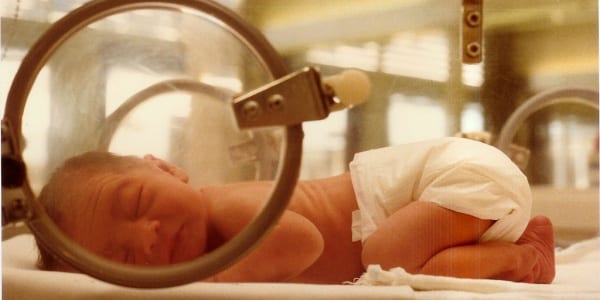
Image: PD

©2022 2 Minute Medicine, Inc. All rights reserved. No works may be reproduced without expressed written consent from 2 Minute Medicine, Inc. Inquire about licensing here. No article should be construed as medical advice and is not intended as such by the authors or by 2 Minute Medicine, Inc.

Tags: endotracheal intubationintubationnasal high-flow therapyneonatalneonatal ICU (NICU)neonatal intensive care unit (NICU)NICUrespiratory support
Previous Post

Fourth BNT162b2 vaccine dose provides short-term effectiveness against Covid-19 related outcomes

Next Post

Dapagliflozin efficacious and safe in treating heart failure

RelatedReports

Postextubation administration of high-flow oxygen leads to reduced reintubation and respiratory failure
Emergency

Bougie-guided and stylet-guided intubation may have similar success rate in the intubation of trauma patients

August 11, 2026
Sleep duration, sleepiness, chronotype have variable associations with teen self-regulation
Weekly Rewinds

2 Minute Medicine Rewind August 10, 2026

August 10, 2026
Behavioral dysregulation in infancy predicts later child mental health
Imaging and Intervention

Epidural analgesia in labour is not associated with adverse neonatal health outcomes

July 23, 2026
Stochastic resonance stimulation may decrease apnea of prematurity
Emergency

Drying prior to plastic wrapping may not provide thermoregulatory benefits in infants admitted to the neonatal intensive care unit

April 10, 2026
Next Post
Radiation dose associated with increased heart disease in Hodgkin lymphoma survivors

Dapagliflozin efficacious and safe in treating heart failure

Epileptogenic foci may be lateralized using functional brain glutamate imaging

Canadian Syncope Risk Score demonstrates international external validation

Masks for personal protection for SARS-CoV-2 infection

Adding mask recommendation did not significantly reduce the SARS-CoV-2 infection rate

✦ EvidencePulse™ by 2 Minute Medicine 2026 evidence scan 3 reports You asked top stroke trials 2026 Synthesizing medical evidence... Top 2026 stroke trial results: OCEANIC — ischemic stroke: 6.2% vs 8.4% OPTION* — mRS 0–1: 43.6% vs 34.2% ORIENTAL* — mRS 0–2: 58.6% vs 46.6% *Higher sICH in intervention arms Participants randomizedN OCEANIC 12,327 OPTION 570 ORIENTAL 564 Ask about guidelines or landmark trials... Try EvidencePulse™ Get the signal. Try it now → Physician-trained medical AI by 2 Minute Medicine

2MM+ All Access

Full details →
$4.99 /month

3-day free trial · cancel anytime

  • ✓100+ physician-written reports
  • ✓EvidencePulse™ + HypeCheck™
  • ✓Ad-free reading + newsletters
Start 3-day free trial

Then $4.99/month. Manage renewal in your account.

NPI Lookup · Free

Look up any US clinician

Search by name or NPI number, live from the CMS NPI Registry.

  • OIG exclusion check
  • Licenses and specialties
  • No account needed
Open NPI Lookup →

2 Minute Medicine® is an award winning, physician-run, expert medical media company. Our content is curated, written and edited by practicing health professionals who have clinical and scientific expertise in their field of reporting. Our editorial management team is comprised of highly-trained MD physicians. Join numerous brands, companies, and hospitals who trust our licensed content.

Recent Reports

  • An electronic health record tool for exercise prescription may reduce fall rate among older adults
  • Optogenetic therapy may partially restore vision in retinitis pigmentosa
  • An artificial intelligence system for human papillomavirus-positive dual stain cervical cancer screening reads p16-Ki67 slides
License Content
Terms of Use | Disclaimer
Cookie Policy

Get the app

Read 2 Minute Medicine on iPhone, iPad and Android.

Download on the App StoreGet it on Google Play
QR code for www.2minutemedicine.com/app
On a computer? Scan this with your phone’s camera.
2MM+ All Access Full details →

The medical literature, distilled daily.

Monthly plan selected: $4.99 /month.

$4.99/month

3-day free trial · cancel anytime

Start 3-day free trial

Then $4.99/month. Manage renewal in your account.

Yearly plan selected: $49.90 /year.

$49.90/year

2 months free

Start 3-day free trial

Then $49.90/year.

Membership benefits

  • ✓100+ physician-written reports
  • ✓AI EvidencePulse™ + HypeCheck™
  • ✓Ad-free reading + newsletters
  • ✓NPI watchlist + bulk NPI verification

Already a member? Sign in

  • Get the app
  • About
  • Specialties
    • All Specialties, All Recent Reports
    • Cardiology
    • Chronic Disease
    • Dermatology
    • Emergency
    • Endocrinology
    • Gastroenterology
    • Imaging and Intervention
    • Infectious Disease
    • Nephrology
    • Neurology
    • Obstetrics
    • Oncology
    • Ophthalmology
    • Pediatrics
    • Pharma
    • Preclinical
    • Psychiatry
    • Public Health
    • Pulmonology
    • Rheumatology
    • Surgery
    • Rewinds
    • The Scan
  • EvidencePulse™
  • HypeCheck™
  • AI News
  • Classics™
    • 2MM+ Online Access
    • Paperback and Ebook
  • Tools
    • NPI Registry Lookup
    • RVU Search
  • Partners
    • License Content
    • Advertise with Us
No Result
View All Result

© 2026 2 Minute Medicine, Inc. - Physician-written medical news.