• About
  • Masthead
  • License Content
  • Advertise
  • Press Releases
  • Newsroom
  • RSS/Email List
  • 2MM Podcast
  • Write for us
  • Contact Us
2 Minute Medicine
No Result
View All Result

No products in the cart.

Sign in
SUBSCRIBE
  • About
  • Specialties
    • All Specialties, All Recent Reports
    • Cardiology
    • Chronic Disease
    • Dermatology
    • Emergency
    • Endocrinology
    • Gastroenterology
    • Imaging and Intervention
    • Infectious Disease
    • Nephrology
    • Neurology
    • Obstetrics
    • Oncology
    • Ophthalmology
    • Pediatrics
    • Pharma
    • Preclinical
    • Psychiatry
    • Public Health
    • Pulmonology
    • Rheumatology
    • Surgery
    • Rewinds
    • The Scan
  • EvidencePulse™
  • HypeCheck™
  • AI News
  • Classics™
    • 2MM+ Online Access
    • Paperback and Ebook
  • Tools
    • NPI Registry Lookup
    • RVU Search
    • Physician Pay by Specialty
    • ICD-10 Code Lookup
    • FDA Drug Approvals
    • Drug Safety for Breastfeeding/Pregnancy
    • Clinical Guidelines
    • Medical Calculators
    • ECG Reference
      • QTc Calculator
      • Sgarbossa Criteria
      • ECG Axis Calculator
      • AV Block Helper
  • Rankings
    • Medical School Rankings
    • Residency Rankings
  • Partners
    • License Content
    • Advertise with Us
2 Minute Medicine
  • About
  • Specialties
    • All Specialties, All Recent Reports
    • Cardiology
    • Chronic Disease
    • Dermatology
    • Emergency
    • Endocrinology
    • Gastroenterology
    • Imaging and Intervention
    • Infectious Disease
    • Nephrology
    • Neurology
    • Obstetrics
    • Oncology
    • Ophthalmology
    • Pediatrics
    • Pharma
    • Preclinical
    • Psychiatry
    • Public Health
    • Pulmonology
    • Rheumatology
    • Surgery
    • Rewinds
    • The Scan
  • EvidencePulse™
  • HypeCheck™
  • AI News
  • Classics™
    • 2MM+ Online Access
    • Paperback and Ebook
  • Tools
    • NPI Registry Lookup
    • RVU Search
    • Physician Pay by Specialty
    • ICD-10 Code Lookup
    • FDA Drug Approvals
    • Drug Safety for Breastfeeding/Pregnancy
    • Clinical Guidelines
    • Medical Calculators
    • ECG Reference
      • QTc Calculator
      • Sgarbossa Criteria
      • ECG Axis Calculator
      • AV Block Helper
  • Rankings
    • Medical School Rankings
    • Residency Rankings
  • Partners
    • License Content
    • Advertise with Us
Sign in
SUBSCRIBE
2 Minute Medicine
Sign in
Subscribe
2 Minute MedicineFree on Google PlayGet
✦EvidencePulse™by 2 Minute Medicine3 reportsYou askedtop stroke trials 2026Synthesizing medical evidence...Top 2026 stroke trial results:OCEANIC — ischemic stroke: 6.2% vs 8.4%OPTION* — mRS 0–1: 43.6% vs 34.2%ORIENTAL* — mRS 0–2: 58.6% vs 46.6%*Higher sICH in intervention armsParticipants randomizedNOCEANIC12,327OPTION570ORIENTAL564Ask about guidelines or landmark trials...↑Try EvidencePulse™Ask the evidence. Get the signal.Try it now →
Home Health A to Z

Patient Basics: Bipolar Disorder (Manic Depression)
by2 Minute Medicine
October 30, 2026
in Health A to Z
Reading Time: 6 mins read
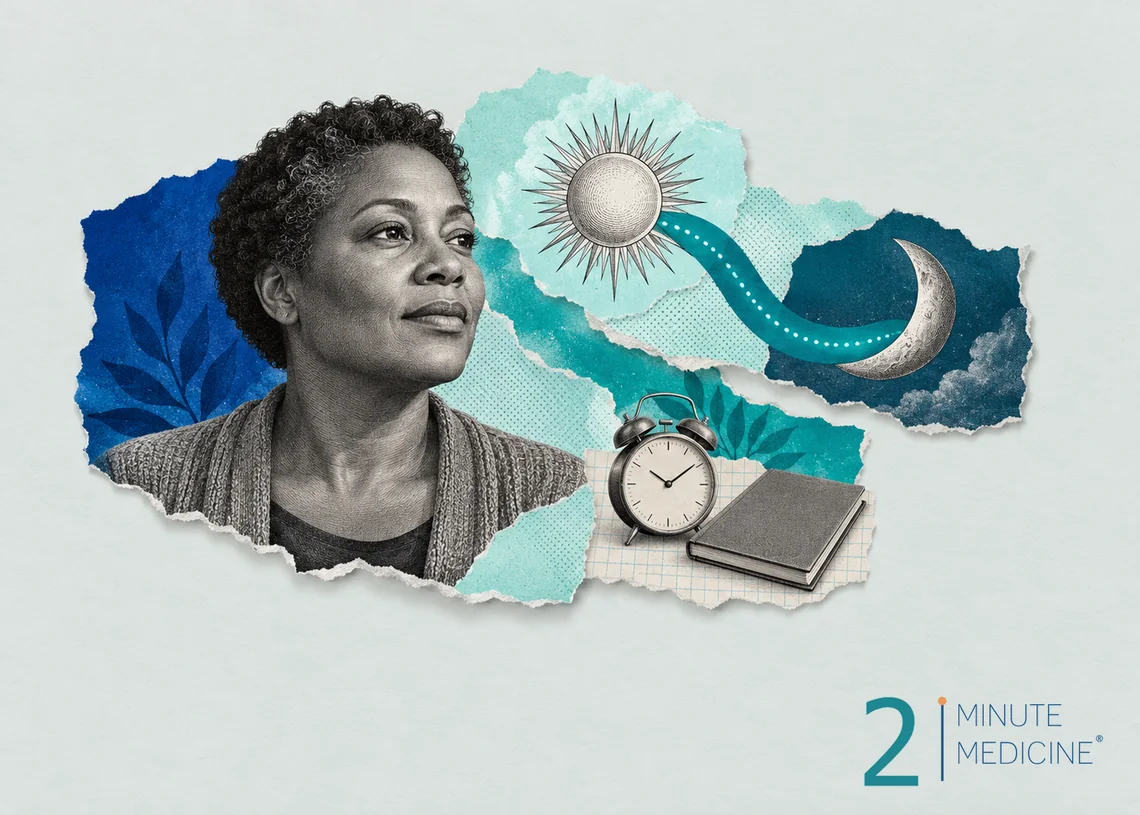
Collage on manic depressive disorder: a calm middle-aged woman with an engraved sun and moon joined by a teal ribbon
Share on FacebookShare on TwitterShare on LinkedIn

Bipolar disorder, once called manic depressive disorder or manic depression, is a long-term mental health condition that causes big shifts in mood, energy and activity. People have periods of very high or irritable mood (mania or hypomania) and periods of depression, often with steadier times in between. With treatment, most people keep their moods in a healthy range and do well at work, at home and in relationships.

Key points

  • Bipolar disorder usually starts in the late teens or 20s, and it often runs in families.
  • Signs of mania include needing much less sleep, racing thoughts, fast talking and risky choices.
  • Mood stabilizers such as lithium, and some antipsychotic medicines, are the main treatments. Talk therapy adds to their effect.
  • Antidepressants taken alone can set off mania, so doctors use them with care.
  • If you are thinking about suicide, call or text 988 to reach the Suicide & Crisis Lifeline, any time of day.

Types of bipolar (manic depressive) disorder

  • Bipolar I. At least one manic episode that lasts a week or more, or is severe enough to need hospital care. Most people with bipolar I also have episodes of depression.
  • Bipolar II. Episodes of major depression plus hypomania, a milder high that lasts at least 4 days. People with bipolar II never have full mania, but the depression can be long and disabling.
  • Cyclothymia. Milder ups and downs that go on for at least 2 years without reaching full mania or major depression.

Symptoms of manic and depressive episodes

Mania and hypomania

A manic episode (sometimes called a manic attack) builds over days and can include:

  • Feeling unusually happy, wired or irritable
  • Sleeping only a few hours and not feeling tired
  • Talking fast, jumping from idea to idea, racing thoughts
  • Feeling very important or powerful, with big plans
  • Getting distracted easily
  • Risky behavior, such as spending sprees, unsafe sex or reckless driving

Severe mania can cause psychosis (losing touch with reality), such as hearing voices or holding false beliefs. During mania, people often don’t see that anything is wrong, and family and friends may notice first. Afterward, many people feel embarrassed or regret things they said or did. Therapy can help repair relationships.

Depression

  • Feeling sad, empty or hopeless most of the day
  • Losing interest in things you used to enjoy
  • Sleeping much more or much less than usual
  • Low energy and trouble thinking or making decisions
  • Changes in appetite or weight
  • Thoughts of death or suicide

Some episodes mix the two, with the energy of mania and the dark mood of depression at the same time. These mixed episodes carry a higher risk of suicide. An episode can last days, weeks or months. Having four or more episodes in a year is called rapid cycling.

What causes it

There is no single cause. Bipolar disorder runs strongly in families, so genes play a large part. Differences in how brain circuits control mood are also involved. In someone at risk, certain things can bring on an episode:

  • Missing sleep, including from shift work, travel across time zones or a new baby
  • Major stress or loss
  • Alcohol, cannabis, stimulants and other drugs
  • Some medicines, such as antidepressants used alone or steroid pills
  • Giving birth

How it’s diagnosed

No blood test or brain scan can show bipolar disorder. A psychiatrist or other mental health professional makes the diagnosis by asking about your moods over time, your sleep, your family history and how symptoms affect your life. Input from someone close to you can help a lot. A medical exam and blood tests check for other causes, such as thyroid problems or the effects of drugs or medicines.

RELATED REPORTS

The Bipolar-at-risk criteria may help screen for young individuals at risk of bipolar disorder

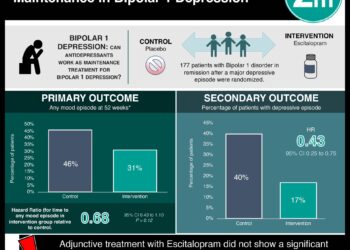
#VisualAbstract: Duration of Adjunctive Antidepressant Maintenance in Bipolar I Depression

Many people first seek help when they’re depressed, so bipolar disorder is often mistaken for depression at first. Anxiety, ADHD and substance use often occur alongside it and need treatment too.

Treatment

Medication for bipolar disorder

  • Lithium. One of the oldest and best-studied mood stabilizers. It prevents both highs and lows, and it lowers the risk of suicide. You’ll need regular blood tests to check the level and your kidneys and thyroid.
  • Other mood stabilizers. Valproate, lamotrigine and carbamazepine were first used for seizures. Lamotrigine mainly helps prevent depression. Valproate can cause serious birth defects, so it is generally avoided in anyone who could become pregnant.
  • Antipsychotic medicines. Drugs such as quetiapine, olanzapine, aripiprazole, lurasidone and cariprazine treat mania, and some also treat bipolar depression. Weight gain and higher blood sugar are common side effects, so your doctor will check your weight and blood tests.
  • Antidepressants are sometimes added, but only alongside a mood stabilizer.

Most people need to keep taking medicine even when they feel well, because it prevents new episodes. Stopping suddenly raises the chance of relapse. If side effects bother you, talk with your doctor about other options.

Therapy and other care

  • Talk therapy. Cognitive behavioral therapy, family-focused therapy and therapy built around steady daily routines all lower the risk of relapse.
  • Learning about the illness. Knowing your early warning signs, for you and your family, helps you act before an episode takes hold.
  • Electroconvulsive therapy (ECT). This is a safe, effective option for severe mania or depression that doesn’t respond to medicine. It is done under general anesthesia.
  • Hospital care may be needed for a short time during a severe episode.

Living with bipolar disorder

  • Keep regular times for sleep, meals and activity. Protect your sleep above almost everything else.
  • Track your mood and sleep each day in a notebook or an app.
  • Avoid alcohol and recreational drugs. If you need help with substance use, call the SAMHSA National Helpline at 1-800-662-4357.
  • Make a plan with family or friends for what to do if warning signs appear.
  • If you might get pregnant or are planning a pregnancy, talk with your doctor early. Some medicines need to change, and the weeks after birth carry a high risk of a new episode.

When to get help

  • See a doctor if you have mood swings that affect your work, relationships or sleep.
  • Call your care team if you notice early signs of an episode or side effects from medicine.

Get help right away if you or someone else has thoughts of suicide. Call or text 988. Call 911 if someone is in immediate danger, hasn’t slept for days and is acting dangerously, or has lost touch with reality.

Common questions about manic depressive disorder

Is manic depression the same as bipolar disorder?

Yes. Manic depression, manic depressive illness and manic depressive disorder are older names for the same condition. Doctors switched to the name bipolar disorder around 1980, partly because it describes the two poles of mood, highs and lows, and carries less stigma. You may still hear the older terms.

Can bipolar disorder be cured?

There is no cure, but it can be well controlled. Most people who keep up with medicine, therapy and steady routines have long stretches without episodes. Stopping treatment because you feel well is a common reason symptoms come back, so talk with your doctor before making any changes.

What is the difference between bipolar disorder and depression?

Both include periods of low mood, but bipolar disorder also brings highs, either mania or the milder hypomania. The difference changes treatment. An antidepressant alone can help ordinary depression but may set off mania in someone with bipolar disorder, so doctors ask carefully about any past highs.

How can I help someone with bipolar disorder?

Learn the early warning signs and talk about them together while the person is well. Encourage treatment, help keep daily routines steady and stay calm during an episode. If they talk about suicide or seem to be in danger, call or text 988, or call 911.

Questions to ask your doctor

  • Which type of bipolar disorder do I have?
  • What side effects should I watch for, and what tests will I need?
  • How long will I need to take medicine?
  • What early warning signs should my family and I look for?
  • Is my medicine safe if I want to have a baby?

Learn more

  • Bipolar disorder (National Institute of Mental Health)
  • Bipolar disorder (MedlinePlus, U.S. National Library of Medicine)

This guide is general information and doesn’t replace advice from your own doctor. Last updated October 2026.

Tags: Bipolar Disorder
Previous Post

Patient Basics: Biliary Colic

Next Post

Patient Basics: Behcet’s Disease (Behçet’s Syndrome)

RelatedReports

Clinic visits collage: a young man in a sweater between a desk with a closed laptop, a blank clipboard and an exam table
Pediatrics

The Bipolar-at-risk criteria may help screen for young individuals at risk of bipolar disorder

October 16, 2023
#VisualAbstract: Duration of Adjunctive Antidepressant Maintenance in Bipolar I Depression
StudyGraphics

#VisualAbstract: Duration of Adjunctive Antidepressant Maintenance in Bipolar I Depression

August 10, 2023
Nephrology

Risk of adverse kidney-related events for patients on lithium is low but increases with greater exposure

August 1, 2023
Mental health collage: a calm young woman with her eyes closed, a sleeping dog and an open notebook with a pencil
Chronic Disease

Religion and spirituality dimensions may be beneficial in bipolar disorder symptoms

December 2, 2022
Next Post
Behcet's disease collage: a blood vessel ribbon, a map with a dotted Silk Road route, a soft toothbrush and a pill organizer

Patient Basics: Behcet's Disease (Behçet's Syndrome)

Bell's palsy collage of an older man in profile with facial nerve branches drawn across his cheek, eye drops and a mirror

Patient Basics: Bell's Palsy

Collage on ear barotrauma: an older woman by a plane window, a cross-section of the ear, a diving mask and a stick of gum

Patient Basics: Barotrauma

✦ EvidencePulse™ by 2 Minute Medicine 3 reports You asked top stroke trials 2026 Synthesizing medical evidence... Top 2026 stroke trial results: OCEANIC — ischemic stroke: 6.2% vs 8.4% OPTION* — mRS 0–1: 43.6% vs 34.2% ORIENTAL* — mRS 0–2: 58.6% vs 46.6% *Higher sICH in intervention arms Participants randomizedN OCEANIC 12,327 OPTION 570 ORIENTAL 564 Ask about guidelines or landmark trials... Try EvidencePulse™ Get the signal. Try it now → Physician-trained medical AI by 2 Minute Medicine

2MM+ All Access

Full details →
$4.99 /month

3-day free trial · cancel anytime

  • ✓100+ physician-written reports
  • ✓EvidencePulse™ + HypeCheck™
  • ✓Ad-free reading + newsletters
Start 3-day free trial

Then $4.99/month. Manage renewal in your account.

2 Minute Medicine® is an award winning, physician-run, expert medical media company. Our content is curated, written and edited by practicing health professionals who have clinical and scientific expertise in their field of reporting. Our editorial management team is comprised of highly-trained MD physicians. Join numerous brands, companies, and hospitals who trust our licensed content.

Recent Reports

  • Medicaid status, race and ethnicity are independently associated with increased odds of severe maternal morbidity
  • Artificial intelligence-generated pre-visit summaries improved communication outcomes in neurosurgical consultations
  • Midline catheters may reduce catheter-related bloodstream infections compared with peripherally inserted central catheters in intensive care unit patients
License Content
Terms of Use | Disclaimer
Cookie Policy

Get the app

Read 2 Minute Medicine on iPhone, iPad and Android.

Download on the App StoreGet it on Google Play
QR code for www.2minutemedicine.com/app
On a computer? Scan this with your phone’s camera.
2MM+ All Access Full details →

The medical literature, distilled daily.

Monthly plan selected: $4.99 /month.

$4.99/month

3-day free trial · cancel anytime

Start 3-day free trial

Then $4.99/month. Manage renewal in your account.

Yearly plan selected: $49.90 /year.

$49.90/year

2 months free

Start 3-day free trial

Then $49.90/year.

Membership benefits

  • ✓100+ physician-written reports
  • ✓AI EvidencePulse™ + HypeCheck™
  • ✓Ad-free reading + newsletters
  • ✓FDA drug approvals + clinical calculators

Already a member? Sign in

  • Get the app
  • About
  • Specialties
    • All Specialties, All Recent Reports
    • Cardiology
    • Chronic Disease
    • Dermatology
    • Emergency
    • Endocrinology
    • Gastroenterology
    • Imaging and Intervention
    • Infectious Disease
    • Nephrology
    • Neurology
    • Obstetrics
    • Oncology
    • Ophthalmology
    • Pediatrics
    • Pharma
    • Preclinical
    • Psychiatry
    • Public Health
    • Pulmonology
    • Rheumatology
    • Surgery
    • Rewinds
    • The Scan
  • EvidencePulse™
  • HypeCheck™
  • AI News
  • Classics™
    • 2MM+ Online Access
    • Paperback and Ebook
  • Tools
    • NPI Registry Lookup
    • RVU Search
    • Physician Pay by Specialty
    • ICD-10 Code Lookup
    • FDA Drug Approvals
    • Drug Safety for Breastfeeding/Pregnancy
    • Clinical Guidelines
    • Medical Calculators
    • ECG Reference
      • QTc Calculator
      • Sgarbossa Criteria
      • ECG Axis Calculator
      • AV Block Helper
  • Rankings
    • Medical School Rankings
    • Residency Rankings
  • Partners
    • License Content
    • Advertise with Us
No Result
View All Result

© 2026 2 Minute Medicine, Inc. - Physician-written medical news.