

Patient Basics: Granulomatosis with Polyangiitis (Wegener’s)
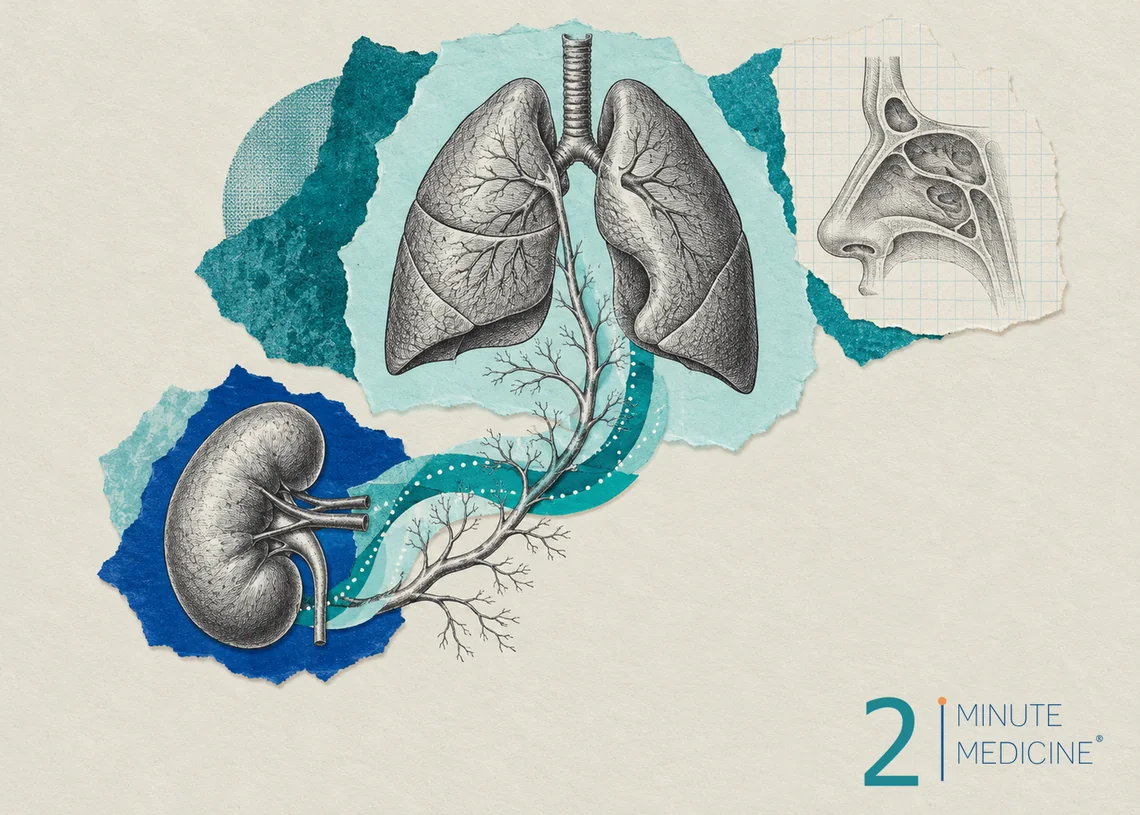
Granulomatosis with polyangiitis (GPA), long known as Wegener’s granulomatosis, is a rare disease in which the immune system attacks small blood vessels. It most often affects the nose and sinuses, the lungs and the kidneys. Without treatment it can damage organs quickly, but with today’s medicines most people go into remission (the disease becomes quiet).
Key points
- GPA is a type of vasculitis, which means inflamed blood vessels.
- Early signs often look like a sinus infection or a cold that won’t go away.
- Kidney damage can happen without symptoms, so urine and blood tests are part of every checkup.
- Treatment usually starts with a steroid plus rituximab or cyclophosphamide, then lower-strength medicine to keep it quiet.
- The disease can come back, so long-term follow-up with a specialist matters.
What causes granulomatosis with polyangiitis
In GPA, the immune system makes antibodies called ANCA that switch on white blood cells by mistake. These cells inflame the walls of small arteries and veins. Blood flow to the tissue they feed drops, and the tissue can be damaged. Small lumps of inflamed cells, called granulomas, also form, mostly in the nose, sinuses and lungs.
No one knows exactly what sets it off. Genes probably play a small part, and infections may act as a trigger in some people. GPA is not contagious, and it rarely runs in families. It can start at any age but is most often found in middle-aged and older adults. Men and women get it about equally.
Symptoms of Wegener’s granulomatosis (GPA)
Symptoms often build over weeks or months. They depend on which organs are involved.
- Nose and sinuses. A stuffy or runny nose that doesn’t clear, crusts, nosebleeds and sinus pain that doesn’t respond to antibiotics. Over time, the bridge of the nose can sink (saddle nose).
- Ears. Ear infections, fluid behind the eardrum, ear pain and hearing loss.
- Lungs. Cough, shortness of breath, chest pain or coughing up blood.
- Windpipe. Hoarseness or noisy breathing, if the airway just below the voice box narrows.
- Kidneys. Often no symptoms at first. Tests show blood or protein in the urine. Swelling of the legs and high blood pressure can follow.
- Eyes. Redness, pain, blurry vision or a bulging eye.
- Whole body. Fever, night sweats, tiredness, weight loss and achy joints.
- Skin and nerves. Small purple spots or sores on the skin, and numbness, tingling or weakness in the hands or feet.
How it’s diagnosed
GPA can be hard to spot early because the first symptoms are common ones. Doctors think of it when sinus, lung and kidney problems show up together, or when symptoms keep coming back despite usual treatment. Tests include:
- ANCA blood test. Most people with active GPA test positive, usually for a type called PR3-ANCA. A negative test doesn’t fully rule it out.
- Urine test for blood, protein and abnormal clumps of red cells that point to kidney inflammation
- Blood tests for kidney function, blood counts and markers of inflammation
- Chest CT scan to look for nodules or bleeding in the lungs
- Biopsy. A small tissue sample from the nose, lung, kidney or skin, checked under a microscope for inflamed vessels and granulomas
Care is usually led by a rheumatologist, often with kidney, lung and ear, nose and throat specialists.
Treatment
Getting the disease under control
The first phase aims to stop the inflammation fast and protect the organs. It usually lasts 3 to 6 months.
- Steroids such as prednisone calm inflammation quickly. Doctors now taper them faster than in the past to cut side effects.
- Rituximab, given through a vein, removes the B cells that make ANCA. It is the most common partner to steroids.
- Cyclophosphamide is an older, strong immune-suppressing drug still used in some severe cases.
- Avacopan is a newer pill that blocks part of the inflammation signal. It can let people take much less steroid.
- Methotrexate may be used for milder disease that doesn’t involve the kidneys or threaten other organs.
- Plasma exchange, which filters antibodies out of the blood, is sometimes added for severe kidney disease or bleeding in the lungs.
Keeping it in remission
Once the disease is quiet, people take a milder treatment for at least 2 years, sometimes longer. Rituximab every 6 months is the most common choice. Azathioprine or methotrexate pills are other options.
Staying safe on treatment
- These medicines lower your defenses against infection. Many people take an antibiotic (trimethoprim-sulfamethoxazole) to prevent a serious lung infection called pneumocystis pneumonia.
- Ask about vaccines, such as flu, COVID-19, pneumonia and shingles. Some should be given before rituximab starts.
- Long-term steroids can thin the bones and raise blood sugar. Your doctor may suggest calcium, vitamin D or a bone medicine.
Living with GPA
Most people reach remission, and many live full lives. About half have a flare (relapse) at some point, often within the first few years, so regular blood and urine tests continue even when you feel well. Some people are left with lasting effects, such as hearing loss, nose changes or reduced kidney function. A few need dialysis or a kidney transplant. Rinsing the nose with saline helps with crusting. Not smoking protects the lungs.
Living with a long-term illness can be tiring and stressful. Vasculitis support groups and a counselor can help.
When to see a doctor
- Sinus or ear problems that keep coming back despite treatment
- Nose crusting or bleeding along with joint pain, fever or weight loss
- Blood or foam in the urine, or new leg swelling
- Signs of a flare after treatment, such as new nose symptoms, cough or rash
- Fever or signs of infection while you’re on treatment
Get emergency care for coughing up blood, severe shortness of breath, sudden vision loss, or noisy, strained breathing.
Common questions about Wegener’s granulomatosis
Is Wegener’s disease fatal?
It can be without treatment, because it can damage the kidneys and lungs quickly. With modern treatment, most people go into remission and live for many years. Starting treatment early, keeping up with follow-up tests and avoiding infections give the best chance of a long, full life.
Can Wegener’s disease be cured?
There is no cure yet, but the disease can be put into long remission. Some people stay well for years after stopping treatment, while others need ongoing medicine to prevent flares. Be wary of online stories of cures from diets or supplements, and don’t stop prescribed medicine without talking to your specialist.
Is GPA an autoimmune disease?
Yes. In GPA, the immune system attacks the body’s own blood vessels instead of germs. It belongs to a group called ANCA-associated vasculitis, along with microscopic polyangiitis and eosinophilic granulomatosis with polyangiitis. These conditions share some treatments but affect the body in different ways.
Why is it no longer called Wegener’s granulomatosis?
Medical groups changed the name in 2011. The old name honored Friedrich Wegener, a German doctor who described the disease in the 1930s, but historians later found he had ties to the Nazi party. The new name describes what the disease does, though many people still search for the old one.
Is GPA a type of cancer?
No. The lumps it forms, called granulomas, are clusters of inflamed cells, not cancer. Some GPA treatments, such as cyclophosphamide, can raise the risk of certain cancers years later. That is one reason doctors now use rituximab more often and limit how much cyclophosphamide a person gets.
Questions to ask your doctor
- Which of my organs are affected?
- What are the main side effects of my treatment?
- How long will I need to take medicine?
- Which vaccines should I get, and when?
- What signs of a flare should make me call you?
Learn more
- Granulomatosis with polyangiitis (MedlinePlus, U.S. National Library of Medicine)
This guide is general information and doesn’t replace advice from your own doctor. Last updated October 2026.






 Get the app