

Patient Basics: Osteoarthritis

Osteoarthritis is the most common type of arthritis. The smooth cartilage that cushions the ends of bones wears thin, the bone underneath changes, and the joint becomes painful and stiff. It most often affects the knees, hips, hands and spine. There is no cure, but exercise, weight loss, the right pain relievers and, when needed, joint replacement help most people stay active.
Key points
- More than 30 million adults in the US have osteoarthritis. It becomes more common with age.
- Pain usually gets worse with use and better with rest. Morning stiffness lasts less than 30 minutes.
- Exercise is one of the best treatments, even though it can feel wrong when a joint hurts.
- Losing extra weight eases knee and hip pain.
- Joint replacement works well for a hip or knee when other treatments no longer help.
What causes osteoarthritis
Osteoarthritis was once called wear-and-tear arthritis, but it involves the whole joint. Cartilage breaks down, the bone at the joint edges grows bony spurs (osteophytes), the joint lining can become inflamed, and the muscles around the joint weaken. Things that raise your risk include:
- Getting older
- Being a woman, especially after menopause
- Extra body weight, which loads the knees and hips and also affects joints through inflammation
- A past joint injury, such as a torn ligament or meniscus in the knee
- Jobs or sports with a lot of kneeling, squatting or heavy lifting
- Family history, especially for hand osteoarthritis
- Joints that are shaped or lined up unevenly, such as bowlegs or a hip problem from childhood
Doctors sometimes divide it into primary osteoarthritis, with no single clear cause, and secondary osteoarthritis, which follows an injury, another joint disease, or bone damage from a lost blood supply (avascular necrosis).
Osteoarthritis symptoms
- A deep, aching joint pain that builds with activity and eases with rest
- Stiffness after waking or after sitting still, usually loosening within 30 minutes
- Less movement, such as trouble bending a knee or putting on socks
- A grating or crackling feeling when the joint moves
- Swelling, and sometimes a joint that feels like it may give way
- A limp to protect a painful hip or knee. Doctors call this an antalgic gait.
Where it shows up
- Knees: pain with stairs, standing up from a chair or walking downhill
- Hips: pain in the groin, the outer thigh or sometimes the knee
- Hands: hard, knobby bumps on the end and middle finger joints (Heberden’s and Bouchard’s nodes), and pain at the base of the thumb when gripping or opening jars
- Spine: stiffness and pain in the neck or lower back
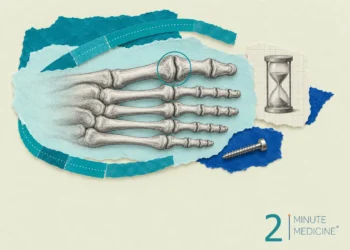
- Feet: a stiff, sore big toe
Symptoms often come and go in flares. Pain doesn’t always match how a joint looks on X-ray.
How osteoarthritis is diagnosed
A doctor can usually diagnose osteoarthritis from your symptoms and an exam of the joint. X-rays show narrowing of the joint space and bone spurs, but they aren’t always needed. Blood tests don’t show osteoarthritis. They are used to rule out other types of arthritis. If a joint is swollen, the doctor may draw out fluid with a needle to look for crystals or infection. An MRI is rarely needed.
Other causes of joint pain (arthralgia) that a doctor may consider include:
- Rheumatoid arthritis, which causes warm, puffy knuckles and wrists and long morning stiffness
- Gout and pseudogout, in which crystals cause sudden, hot, swollen joints
- Psoriatic arthritis, bursitis, tendon problems and avascular necrosis
Osteoarthritis treatment
Movement and weight
- Exercise. Strength training for the muscles around the joint, walking, cycling, swimming, water exercise and tai chi all reduce pain and improve function. Start slowly and build up. Some soreness is normal at first.
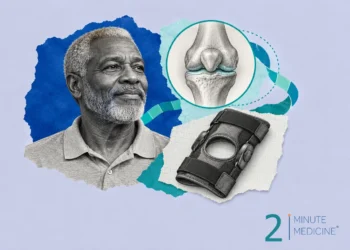
- Physical therapy. A therapist can design a program, teach you to move with less strain, and fit a brace or shoe inserts.
- Weight loss. Each pound lost takes about 4 pounds of pressure off the knees with every step.
- Aids. A cane held in the hand opposite the sore hip or knee, a thumb splint, and kitchen tools with thick handles reduce strain.
- Heat and cold. A warm shower or heating pad eases stiffness. An ice pack can calm a flare.
Medicines
- NSAID gels such as diclofenac rubbed on the knee or hand work well with fewer side effects than pills.
- NSAID pills such as ibuprofen and naproxen help pain and swelling. Use the lowest dose for the shortest time, because they can cause stomach bleeding, kidney problems and heart risks. Ask your doctor before using them regularly.
- Acetaminophen helps a little for some people.
- Duloxetine, an antidepressant that also treats pain, is an option for knee osteoarthritis.
- Steroid shots into the joint can ease a bad flare for weeks to a few months. They are limited to a few times a year.
Opioid pain medicines are not recommended for osteoarthritis. The evidence for hyaluronic acid shots, platelet-rich plasma (PRP), stem cell shots, and glucosamine and chondroitin supplements is weak or mixed.
Surgery
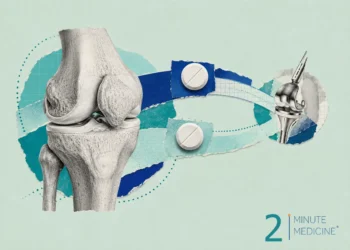
Total hip or knee replacement is very successful for advanced osteoarthritis when pain limits daily life despite other treatment. Partial knee replacement, thumb joint surgery and procedures that realign a bone are options in some cases. Arthroscopic surgery to clean out an arthritic knee doesn’t help most people.
Living with osteoarthritis
- Stay active every day, and break up long periods of sitting.
- Pace yourself on bad days instead of stopping all activity.
- Wear supportive, cushioned shoes.
- Use a jar opener, raised toilet seat or grab bars if they make tasks easier.
- Look for a local arthritis exercise class or a walking group.
When to see a doctor
- Joint pain or stiffness that lasts more than a few weeks or limits your daily life
- Morning stiffness lasting more than an hour, or swelling in many joints
- A joint that is suddenly red, hot and swollen, especially with fever. Get care the same day, as this can be an infection or gout.
- A joint that locks, gives way often, or can’t bear weight
- Stomach pain or black stools while taking NSAIDs
Common questions about osteoarthritis
How can I slow down osteoarthritis in my hands?
No medicine is proven to stop hand osteoarthritis, but you can ease strain on the joints. Do gentle daily hand exercises, wear a thumb splint during heavy tasks, and use tools with thick, soft grips. Warm water soaks and an NSAID gel help pain. A hand therapist can teach joint-saving habits.
Why are my knuckles swollen?
Hard, bony bumps on the middle or end finger joints are typical of osteoarthritis. Soft, warm, puffy swelling of the big knuckles where the fingers meet the hand points more toward rheumatoid arthritis or another inflammatory arthritis. Swelling in several joints with long morning stiffness should be checked soon.
Is pseudogout the same as osteoarthritis?
No, but they often happen together. Pseudogout is caused by calcium crystals in the joint, often the knee or wrist, and brings sudden, hot, swollen attacks. Doctors treat a flare by draining fluid and injecting a steroid, or with NSAIDs, colchicine or a short course of steroid pills.
Questions to ask your doctor
- Which exercises are best for my joints?
- Which pain reliever is the right choice with my other health problems?
- Would physical therapy, a brace or shoe inserts help?
- Would a steroid shot help my flare?
- How will I know when it’s time to think about joint replacement?
Learn more
- Osteoarthritis (National Institute of Arthritis and Musculoskeletal and Skin Diseases)
- Osteoarthritis (MedlinePlus, U.S. National Library of Medicine)
This guide is general information and doesn’t replace advice from your own doctor. Last updated October 2026.
RelatedReports







 Get the app