

Patient Basics: Focal Seizures (Partial Seizures)
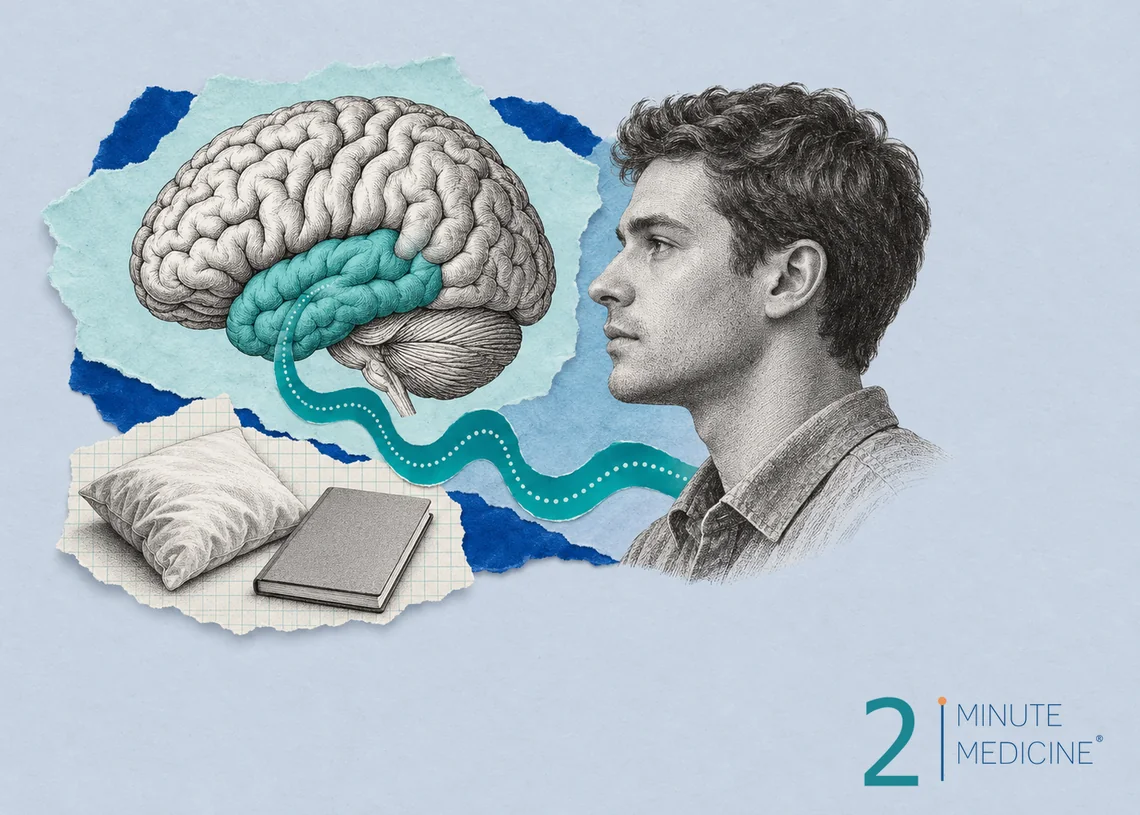
A focal seizure (once called a partial seizure) is a burst of abnormal electrical activity that starts in one area of the brain. What happens depends on which area is involved: a strange feeling, a jerking arm, a few minutes of staring and confusion, or sometimes a full convulsion. Focal seizures are the most common type in adults with epilepsy, and most people get good control with medicine.
Key points
- Doctors now group focal seizures by whether you stay aware (focal aware) or lose awareness (focal impaired awareness).
- A focal seizure can spread to both sides of the brain and become a convulsion with stiffening and jerking.
- Common causes include stroke, head injury, brain infections, tumors and scarring, but often no cause is found.
- An EEG (brain wave test) and an MRI scan are the main tests.
- About 2 in 3 people become seizure-free with medicine. Surgery or a device can help many others.
Types of focal (partial) seizures
Medicine labels may still use the older term “partial-onset seizures.”
- Focal aware seizures (formerly simple partial seizures). You stay awake and alert and remember what happened. Some people call these “auras,” because they can come just before a larger seizure.
- Focal impaired awareness seizures (formerly complex partial seizures). You become confused or unaware of your surroundings. You may stare, not respond, and make repeated movements without knowing it. Afterward you often don’t remember the seizure.
- Focal to bilateral tonic-clonic seizures (formerly secondary generalized seizures). The seizure spreads across the brain and becomes a convulsion, the kind many people call a grand mal seizure, with loss of consciousness, stiffening and jerking.
Symptoms of a focal (partial) seizure
Seizures usually last from a few seconds to two minutes. Symptoms depend on where in the brain the seizure starts:
- Temporal lobe (the side of the brain, the most common site): a rising feeling in the stomach, sudden fear or joy, déjà vu, an odd smell or taste, staring, lip smacking, chewing, swallowing, or picking at clothes
- Frontal lobe: jerking or stiffening of one arm or one side of the face, odd body postures, bicycling leg movements or shouting. These often happen during sleep.
- Parietal lobe: tingling, numbness or a feeling of warmth that may spread along one side of the body
- Occipital lobe (the back of the brain): flashing or colored lights, or loss of part of your vision
After a seizure, people may feel tired, confused or have a headache. Some have weakness in an arm or leg for minutes to hours (Todd’s paralysis).
What causes them
Anything that damages or irritates one part of the brain can cause focal seizures:
- Stroke, the most common cause in older adults
- Head injury
- Brain tumors
- Infections such as meningitis, encephalitis or a tapeworm infection of the brain (neurocysticercosis)
- Scarring in the temporal lobe (mesial temporal sclerosis)
- Areas of the brain that didn’t form normally before birth
- Gene changes, in some families
In many people, no cause is found. Lack of sleep, alcohol, missed medicine, illness and stress can make a seizure more likely in someone who has epilepsy.
Epilepsy means having two or more seizures that weren’t triggered by something short-term, such as low blood sugar or alcohol withdrawal, or one seizure with a high chance of more. Epilepsy with focal seizures is called focal epilepsy (once called partial epilepsy).
How it’s diagnosed
A description from someone who saw the seizure is very helpful. A short video on a phone can be even better. Tests include:
- EEG (electroencephalogram), which records brain waves through small discs on the scalp. It may be done while you’re awake and asleep.
- MRI of the brain, to look for scarring, a tumor or a past stroke
- Blood tests for low sugar, salt imbalances and infection
- Video-EEG monitoring, a stay of several days in a hospital unit where brain waves and video are recorded until a seizure happens
Treatment
Medicines
Anti-seizure medicines are the first treatment. Commonly used choices include lamotrigine, levetiracetam, oxcarbazepine, carbamazepine and lacosamide. The doctor picks one based on your age, other conditions, other medicines and plans for pregnancy. Take it every day, even when you feel well, and don’t stop it suddenly.
If you could become pregnant, talk with your doctor before pregnancy. Some seizure medicines can harm a developing baby, and folic acid is advised for people taking them.
If medicines don’t work
If two well-chosen medicines haven’t stopped the seizures, ask to see a specialist at an epilepsy center. Options there include:
- Surgery to remove or disconnect the small area where seizures start. Laser treatment through a small hole in the skull is sometimes used instead. In the right person, surgery can stop seizures for good.
- Nerve and brain stimulation devices, such as a vagus nerve stimulator in the chest or a device placed in the brain that detects and stops seizures
- Special diets, such as the ketogenic or modified Atkins diet
- Newer medicines, such as cenobamate
Living with focal seizures
- Keep a seizure diary and note triggers.
- Sleep regularly and limit alcohol.
- Driving laws differ by state. Most require you to be seizure-free for a set time, often 3 to 12 months.
- Take showers instead of baths, swim only with someone who knows about your seizures, and avoid heights.
- Ask about a rescue medicine, such as a nasal spray, for seizure clusters.
- Depression and anxiety are common with epilepsy, and they can be treated. If you’re in crisis, call or text 988 for the Suicide & Crisis Lifeline.
How to help someone having a seizure
- Stay with them and time the seizure.
- If they are confused and wandering, gently guide them away from danger. Don’t hold them down.
- If they fall and jerk, roll them onto their side and put something soft under their head.
- Never put anything in their mouth.
- Stay until they are fully alert.
Call 911 if a seizure lasts longer than 5 minutes, another seizure follows before the person recovers, it’s the person’s first seizure, they are injured, pregnant or in water, or they have trouble breathing or don’t wake up afterward.
When to see a doctor
- Brief spells of déjà vu, odd smells, staring or confusion that keep happening
- Seizures that become more frequent or change pattern
- Side effects from seizure medicine
- You are planning a pregnancy
Common questions about focal (partial) seizures
What does a simple partial seizure feel like?
A simple partial seizure, now called a focal aware seizure, is a sudden strange feeling while you stay fully awake. It might be a rising feeling in the stomach, déjà vu, fear, an odd smell, tingling down one side or twitching in one hand. It usually passes within a minute or two, and you remember it.
How long does a focal seizure last?
Most last from a few seconds to two minutes, though confusion or tiredness afterward can linger for minutes to hours. A seizure that lasts longer than 5 minutes, or seizures that come one after another, are an emergency. Call 911, because long seizures can harm the brain.
Is a myoclonic seizure a focal seizure?
Usually not. Myoclonic seizures are quick, shock-like jerks of the arms, legs or body that last a second or two, and most start on both sides of the brain at once. They often happen soon after waking. Focal seizures can cause jerking too, but usually on one side and for longer.
Questions to ask your doctor
- What type of seizure am I having, and where does it start?
- What might be causing it?
- Which medicine is best for me, and what side effects should I watch for?
- When can I drive again?
- Should I see an epilepsy specialist about surgery or other options?
Learn more
- Focal seizure (MedlinePlus, U.S. National Library of Medicine)
- Epilepsy and seizures (National Institute of Neurological Disorders and Stroke)
This guide is general information and doesn’t replace advice from your own doctor. Last updated October 2026.






 Get the app