

Patient Basics: Generalized Seizures (Grand Mal Seizures)
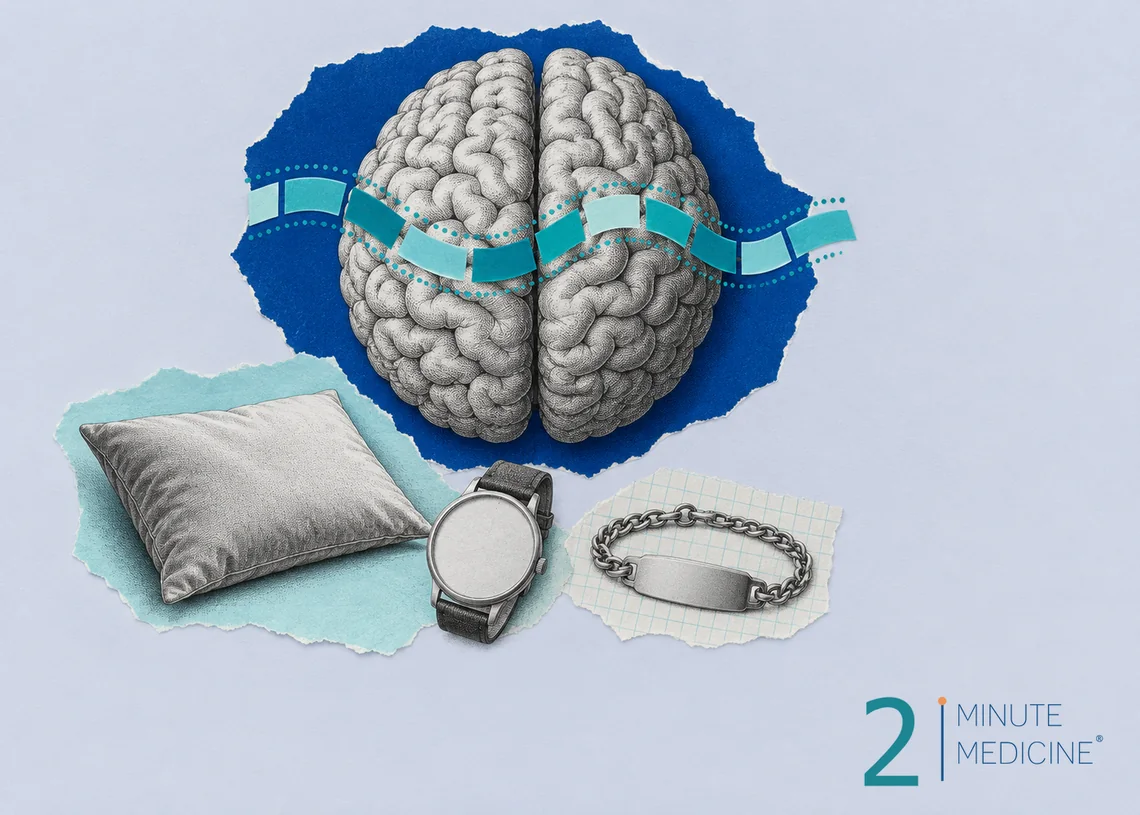
A grand mal seizure, now called a generalized tonic-clonic seizure, makes a person pass out, go stiff and then jerk the arms and legs. It is the best-known type of generalized seizure, which means it starts in both sides of the brain at the same time. Most of these seizures stop on their own within 1 to 3 minutes. If you see one, keep the person safe, time it, and call 911 if it lasts longer than 5 minutes.
Key points
- One seizure doesn’t always mean epilepsy. Low blood sugar, alcohol withdrawal, some drugs and head injuries can also cause a seizure.
- During a seizure, turn the person on their side and never put anything in their mouth.
- An EEG (a test of brain waves), a brain MRI and blood tests help find the cause.
- Daily anti-seizure medicine stops seizures for about two out of three people with epilepsy.
- Most states limit driving for a period after a seizure. The rules differ by state.
Types of generalized seizures
- Tonic-clonic. Stiffening followed by jerking, with loss of consciousness. This guide focuses on this type.
- Absence (once called petit mal). A blank stare for a few seconds, sometimes with fluttering eyelids. It’s most common in children and can happen many times a day, often mistaken for daydreaming.
- Myoclonic. Sudden, brief jerks of the arms or shoulders, often soon after waking.
- Atonic. The muscles suddenly go limp, and the person may drop to the ground.
Some tonic-clonic seizures start in one area of the brain and then spread to both sides. Doctors call these focal to bilateral seizures. The difference matters, because some medicines work better for one kind than the other.
What a grand mal seizure looks like
- Stiff phase. The person may cry out as air is forced from the lungs, then falls. The body stiffens for 10 to 20 seconds. Breathing can pause, and the lips may look blue or gray.
- Jerking phase. The arms and legs jerk in a steady rhythm, usually for a minute or two. The person may bite their tongue or cheek, or lose bladder control.
- Recovery. Afterward the person is often confused, very sleepy, sore or has a headache. This can last from minutes to hours. They won’t remember the seizure.
What causes grand mal seizures
Epilepsy means a tendency to have repeated seizures. Many generalized epilepsies run in families and begin in childhood or the teen years. Others follow a stroke, brain injury, brain infection or tumor. Often no cause is found.
Provoked seizures happen because of a short-term problem, such as:
- Very low blood sugar or low sodium in the blood
- Stopping alcohol or sleeping pills suddenly after heavy use
- Cocaine, amphetamines or an overdose of some medicines
- A head injury, or an infection of the brain or its lining (meningitis)
- High fever in young children (febrile seizures)
- Very high blood pressure late in pregnancy or after birth (eclampsia)
In people with epilepsy, missed medicine, too little sleep, alcohol, illness and stress are common triggers. Flashing lights trigger seizures in only a small number of people.
How doctors find the cause
A description from someone who saw the seizure is very helpful. A short phone video is even better. You can expect:
- Blood tests for sugar, salts, signs of infection, and alcohol or drugs
- An EEG, which records brain waves through small sensors on the scalp. Some people need a longer EEG, sometimes with video, to catch a seizure.
- A brain scan. An MRI is best. A CT scan is often done first in an emergency.
- An ECG (heart tracing), because fainting from a heart rhythm problem can look like a seizure
Treatment
If a seizure was provoked, treating the cause is often enough. After a first seizure with no clear cause, you and your doctor will decide together whether to start medicine, based on your EEG, MRI and risk of another.
- Anti-seizure medicines. For generalized seizures, common choices include levetiracetam, lamotrigine and valproate. Ethosuximide is used for absence seizures. Some medicines used for other seizure types can make generalized seizures worse, so the type matters. Take your medicine every day, and never stop it suddenly.
- Women who could become pregnant should talk with their doctor before starting. Valproate can cause birth defects and is usually avoided, and some seizure medicines make birth control pills work less well.
- Rescue medicine. A nasal spray of midazolam or diazepam can stop a long seizure or a cluster. Family members can learn to give it.
- If medicines don’t work. When two medicines have failed, see a specialist at an epilepsy center. Options include surgery for some people, devices that stimulate nerves or the brain, special diets such as the ketogenic diet, and newer medicines.
First aid for a seizure
- Stay with the person and time the seizure.
- Ease them to the floor. Move hard or sharp things away and put something soft under their head.
- Loosen anything tight around the neck and remove glasses.
- Turn them onto their side to keep the airway clear.
- Don’t hold them down, and never put anything in their mouth. They can’t swallow their tongue.
- Stay until they are fully awake. Don’t give food or drink until then.
Call 911 if
- The seizure lasts more than 5 minutes
- Another seizure starts before the person wakes up
- They have trouble breathing or don’t wake up afterward
- It’s their first seizure, or they are hurt, pregnant, have diabetes, or had the seizure in water
Living with seizures
- Get enough sleep, take medicine on schedule and limit alcohol.
- Take showers instead of baths, swim only with someone who knows about your seizures, and avoid heights.
- Learn your state’s driving rules. Most require a seizure-free period, often between 3 and 12 months.
- Wear a medical ID and share a seizure action plan with family, school or work.
- Rarely, a person with epilepsy dies suddenly, often during sleep. Good seizure control is the best protection.
- Depression and anxiety are common with epilepsy. If you have thoughts of suicide, call or text 988, the Suicide & Crisis Lifeline.
Common questions about grand mal seizures
How serious is a grand mal seizure?
Most end within a few minutes and cause no lasting harm, though a fall can lead to cuts, broken bones or a head injury. A seizure that lasts more than 5 minutes (status epilepticus) is an emergency that can damage the brain. Frequent uncontrolled seizures also raise the small risk of sudden death in epilepsy.
Is a grand mal seizure the same as a stroke?
No. A stroke happens when blood flow to part of the brain is blocked or a blood vessel bursts. A seizure is a burst of abnormal electrical activity. A stroke can cause seizures, and some people have weakness on one side for a few hours after a seizure, which can look like a stroke. If you’re unsure, call 911.
Can you have a grand mal seizure in your sleep?
Yes, and you may not know it happened. Clues include waking with a bitten tongue, sore muscles, a headache, a wet bed or blood on the pillow, or feeling confused. Tell your doctor about these signs, because seizures during sleep still need to be checked and may need treatment.
Questions to ask your doctor
- What type of seizure did I have, and do I have epilepsy?
- What may have caused it, and how can I avoid triggers?
- Which medicine is best for me, and what side effects should I watch for?
- When can I drive again?
- Should my family have a rescue medicine and a seizure action plan?
Learn more
- Epilepsy and seizures (National Institute of Neurological Disorders and Stroke)
- Epilepsy basics (Centers for Disease Control and Prevention)
This guide is general information and doesn’t replace advice from your own doctor. Last updated October 2026.






 Get the app