• About
  • Masthead
  • License Content
  • Advertise
  • Press Releases
  • Newsroom
  • RSS/Email List
  • 2MM Podcast
  • Write for us
  • Contact Us
2 Minute Medicine
No Result
View All Result

No products in the cart.

Sign in
SUBSCRIBE
  • About
  • Specialties
    • All Specialties, All Recent Reports
    • Cardiology
    • Chronic Disease
    • Dermatology
    • Emergency
    • Endocrinology
    • Gastroenterology
    • Imaging and Intervention
    • Infectious Disease
    • Nephrology
    • Neurology
    • Obstetrics
    • Oncology
    • Ophthalmology
    • Pediatrics
    • Pharma
    • Preclinical
    • Psychiatry
    • Public Health
    • Pulmonology
    • Rheumatology
    • Surgery
    • Rewinds
    • The Scan
  • EvidencePulse™
  • HypeCheck™
  • AI News
  • Classics™
    • 2MM+ Online Access
    • Paperback and Ebook
  • Tools
    • NPI Registry Lookup
    • RVU Search
  • Partners
    • License Content
    • Advertise with Us
2 Minute Medicine
  • About
  • Specialties
    • All Specialties, All Recent Reports
    • Cardiology
    • Chronic Disease
    • Dermatology
    • Emergency
    • Endocrinology
    • Gastroenterology
    • Imaging and Intervention
    • Infectious Disease
    • Nephrology
    • Neurology
    • Obstetrics
    • Oncology
    • Ophthalmology
    • Pediatrics
    • Pharma
    • Preclinical
    • Psychiatry
    • Public Health
    • Pulmonology
    • Rheumatology
    • Surgery
    • Rewinds
    • The Scan
  • EvidencePulse™
  • HypeCheck™
  • AI News
  • Classics™
    • 2MM+ Online Access
    • Paperback and Ebook
  • Tools
    • NPI Registry Lookup
    • RVU Search
  • Partners
    • License Content
    • Advertise with Us
Sign in
SUBSCRIBE
2 Minute Medicine
Sign in
Subscribe
2 Minute MedicineFree on Google PlayGet
✦ EvidencePulse™ by 2 Minute Medicine 2026 evidence scan 3 reports You asked top stroke trials 2026 Synthesizing medical evidence... Top 2026 stroke trial results: OCEANIC — ischemic stroke: 6.2% vs 8.4% OPTION* — mRS 0–1: 43.6% vs 34.2% ORIENTAL* — mRS 0–2: 58.6% vs 46.6% *Higher sICH in intervention arms Participants randomizedN OCEANIC 12,327 OPTION 570 ORIENTAL 564 Ask about guidelines or landmark trials... ↑ Try EvidencePulse™ Ask the evidence.
Get the signal.
Try it now → Physician-trained medical AI by 2 Minute Medicine
Home 2 Minute Medicine

Preclinical detectable phase for open-angle glaucoma estimated at 10 years
byMolly Munsell
December 5, 2022
in 2 Minute Medicine, Chronic Disease, Ophthalmology
Reading Time: 3 mins read
Roux-en-Y gastric bypass may slow progression of diabetic retinopathy
Share on FacebookShare on TwitterShare on LinkedIn

1. Based on a large Swedish cohort screened for open-angle glaucoma, the estimated preclinical detectable phase for glaucoma was estimated at 10.7 and 10.1 years by two different calculation methods.

2. The prevalence of open-angle glaucoma in the cohort was 1.3% at the time of screening, with an annual incidence of 0.12% for cases undetected at screening but later diagnosed clinically.

Evidence Rating Level: 2 (Good)

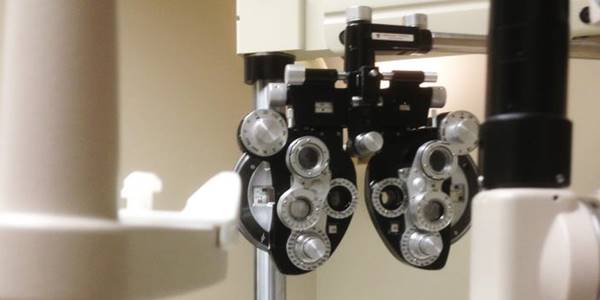
Study Rundown: Primary open-angle glaucoma is a leading cause of vision loss and blindness. Though past studies on population screening for glaucoma have shown mixed results, some trials have reported significant vision benefits. This study aimed to contribute information on the utility of screening efforts by reporting the length of the preclinical detectable phase (PCDP) for open-angle glaucoma. PCDP, or sojourn time, is the period in which disease can be detected on screening but not clinically. Data from about 2,000 subjects were drawn from a cohort of 33,000 Swedish patients who were screened for glaucoma then followed up for 20 to 25 years. The prevalence of open-angle glaucoma at the time of screening was 1.3%, while the clinical incidence over the follow-up period was 0.12% per year. Based on the ratio of these prevalence and incidence rates, the mean PCDP was 10.7 years. Based on an alternative calculation using Bayesian interference and a Markov chain Monte Carlo algorithm, the estimate was 10.1 years. This means that it would take, on average, 10 to 11 years for the cases detected by screening to be diagnosed clinically had the screening not taken place. Though the generalizability of these estimates to other settings is limited by the ethnic homogeneity of the cohort, this long sojourn time suggests that screening even at an interval of five or more years could have clinical utility. However, the success of a screening program relies on high screening sensitivity, achieved here using initial IOP screening followed by full workup at a subsequent visit, which presents substantial logistical challenges.

Click to read the study in JAMA Ophthalmology

Click to read an accompanying editorial in JAMA Ophthalmology

RELATED REPORTS

An artificial intelligence system for human papillomavirus-positive dual stain cervical cancer screening reads p16-Ki67 slides

An artificial intelligence model demonstrates the potential for improving the efficiency of structural heart disease screening using electrocardiograms

Relevant Reading: Screening for glaucoma in adults: A systematic review for the U.S. Preventive Services Task Force

In-Depth [retrospective cohort]: The initial population screening was conducted between 1992 and 1997 in Sweden. At that time, intraocular pressure (IOP) and visual acuity were assessed and fundus photographs collected. All patients with IOP above 25 mmHg, suspected or evident glaucoma based on optic disc exam, retinal nerve fiber defects, optic disc hemorrhage, exfoliation syndrome, or diagnosed glaucoma in a first-degree relative returned for follow-up visits, at which Humphrey visual field measurement, tonometry, and exam were performed. Glaucoma was originally diagnosed in 427 patients based on two consecutive abnormal or borderline visual field results. Over subsequent follow-up through 2017, about 1,000 glaucoma diagnoses were made based on optic disc appearance in patients who had originally screened negative. The estimated sensitivity of screening was 94% [95% confidence interval (CI) 93-96%]. Patients who screened positive originally but did not meet diagnostic criteria for glaucoma were excluded from the analysis. The 95% CI for the PCDP estimated by the prevalence over incidence method was 8.71-13.0, while the 95% credible interval for the algorithmic method was 8.9-11.2. PCDP was longer for younger patients (aged 55-59 or 60-64).

Image: PD

©2022 2 Minute Medicine, Inc. All rights reserved. No works may be reproduced without expressed written consent from 2 Minute Medicine, Inc. Inquire about licensing here. No article should be construed as medical advice and is not intended as such by the authors or by 2 Minute Medicine, Inc.

Tags: asymptomatic screeningexfoliative glaucomaglaucomaintraocular pressureopen angle glaucomascreening
Previous Post

Religiosity may be associated with abstinence in Latinx individuals with substance use disorders

Next Post

Overall survival with triplet therapy in BRAF V600 mutation-positive advanced melanoma

RelatedReports

A calendar, a specimen jar, and a brush are depicted alongside a microscopic view of cervical cells, indicating cervical cancer screening.
All Specialties

An artificial intelligence system for human papillomavirus-positive dual stain cervical cancer screening reads p16-Ki67 slides

October 23, 2026
An illustration featuring a heart within a house, with a stethoscope, a scale, and medication, symbolizing heart failure home hospital care.
Artificial Intelligence

An artificial intelligence model demonstrates the potential for improving the efficiency of structural heart disease screening using electrocardiograms

October 21, 2026
A middle-aged woman looks thoughtfully at an abstract representation of cells and a statin pill, symbolizing breast cancer and medication usage.
Oncology

Historical redlining associated with lower breast cancer screening across urban neighborhoods

September 13, 2026
High frequency of germline mutations observed in triple negative breast cancers
All Specialties

Susie Wiles’ breast cancer diagnosis drives national screening surge

September 4, 2026
Next Post
Complement mutation linked to poor response to eculizumab

Overall survival with triplet therapy in BRAF V600 mutation-positive advanced melanoma

Patient Basics: Brain Tumor Overview

Autologous tumour lysate-loaded dendritic cell vaccine in conjunction with standard treatment for glioblastoma may increase overall survival

Abusive head trauma results in fewer productive life-years

Spirituality and religion may have various effects on mental health through neurobiological correlates

✦ EvidencePulse™ by 2 Minute Medicine 2026 evidence scan 3 reports You asked top stroke trials 2026 Synthesizing medical evidence... Top 2026 stroke trial results: OCEANIC — ischemic stroke: 6.2% vs 8.4% OPTION* — mRS 0–1: 43.6% vs 34.2% ORIENTAL* — mRS 0–2: 58.6% vs 46.6% *Higher sICH in intervention arms Participants randomizedN OCEANIC 12,327 OPTION 570 ORIENTAL 564 Ask about guidelines or landmark trials... Try EvidencePulse™ Get the signal. Try it now → Physician-trained medical AI by 2 Minute Medicine

2MM+ All Access

Full details →
$4.99 /month

3-day free trial · cancel anytime

  • ✓100+ physician-written reports
  • ✓EvidencePulse™ + HypeCheck™
  • ✓Ad-free reading + newsletters
Start 3-day free trial

Then $4.99/month. Manage renewal in your account.

NPI Lookup · Free

Look up any US clinician

Search by name or NPI number, live from the CMS NPI Registry.

  • OIG exclusion check
  • Licenses and specialties
  • No account needed
Open NPI Lookup →

2 Minute Medicine® is an award winning, physician-run, expert medical media company. Our content is curated, written and edited by practicing health professionals who have clinical and scientific expertise in their field of reporting. Our editorial management team is comprised of highly-trained MD physicians. Join numerous brands, companies, and hospitals who trust our licensed content.

Recent Reports

  • Optogenetic therapy may partially restore vision in retinitis pigmentosa
  • An artificial intelligence system for human papillomavirus-positive dual stain cervical cancer screening reads p16-Ki67 slides
  • Elevated low-density lipoprotein cholesterol is a risk factor for atherosclerotic disease irrespective of familial hypercholesterolemia status
License Content
Terms of Use | Disclaimer
Cookie Policy

Get the app

Read 2 Minute Medicine on iPhone, iPad and Android.

Download on the App StoreGet it on Google Play
QR code for www.2minutemedicine.com/app
On a computer? Scan this with your phone’s camera.
2MM+ All Access Full details →

The medical literature, distilled daily.

Monthly plan selected: $4.99 /month.

$4.99/month

3-day free trial · cancel anytime

Start 3-day free trial

Then $4.99/month. Manage renewal in your account.

Yearly plan selected: $49.90 /year.

$49.90/year

2 months free

Start 3-day free trial

Then $49.90/year.

Membership benefits

  • ✓100+ physician-written reports
  • ✓AI EvidencePulse™ + HypeCheck™
  • ✓Ad-free reading + newsletters
  • ✓NPI watchlist + bulk NPI verification

Already a member? Sign in

  • About
  • Specialties
    • All Specialties, All Recent Reports
    • Cardiology
    • Chronic Disease
    • Dermatology
    • Emergency
    • Endocrinology
    • Gastroenterology
    • Imaging and Intervention
    • Infectious Disease
    • Nephrology
    • Neurology
    • Obstetrics
    • Oncology
    • Ophthalmology
    • Pediatrics
    • Pharma
    • Preclinical
    • Psychiatry
    • Public Health
    • Pulmonology
    • Rheumatology
    • Surgery
    • Rewinds
    • The Scan
  • EvidencePulse™
  • HypeCheck™
  • AI News
  • Classics™
    • 2MM+ Online Access
    • Paperback and Ebook
  • Tools
    • NPI Registry Lookup
    • RVU Search
  • Partners
    • License Content
    • Advertise with Us
No Result
View All Result

© 2026 2 Minute Medicine, Inc. - Physician-written medical news.