• About
  • Masthead
  • License Content
  • Advertise
  • Submit Press Release
  • RSS/Email List
  • 2MM Podcast
  • Write for us
  • Contact Us
2 Minute Medicine
No Result
View All Result

No products in the cart.

SUBSCRIBE
  • Specialties
    • All Specialties, All Recent Reports
    • Cardiology
    • Chronic Disease
    • Dermatology
    • Emergency
    • Endocrinology
    • Gastroenterology
    • Imaging and Intervention
    • Infectious Disease
    • Nephrology
    • Neurology
    • Obstetrics
    • Oncology
    • Ophthalmology
    • Pediatrics
    • Pharma
    • Preclinical
    • Psychiatry
    • Public Health
    • Pulmonology
    • Rheumatology
    • Surgery
  • Tools
    • EvidencePulse™
    • RVU Search
    • NPI Registry Lookup
  • Pharma
  • AI News
  • The Scan+
  • Classics™+
    • 2MM+ Online Access
    • Paperback and Ebook
  • Rewinds
  • Partners
    • License Content
    • Submit Press Release
    • Advertise with Us
  • Account
    • Subscribe
    • Sign-in
    • My account
2 Minute Medicine
  • Specialties
    • All Specialties, All Recent Reports
    • Cardiology
    • Chronic Disease
    • Dermatology
    • Emergency
    • Endocrinology
    • Gastroenterology
    • Imaging and Intervention
    • Infectious Disease
    • Nephrology
    • Neurology
    • Obstetrics
    • Oncology
    • Ophthalmology
    • Pediatrics
    • Pharma
    • Preclinical
    • Psychiatry
    • Public Health
    • Pulmonology
    • Rheumatology
    • Surgery
  • Tools
    • EvidencePulse™
    • RVU Search
    • NPI Registry Lookup
  • Pharma
  • AI News
  • The Scan+
  • Classics™+
    • 2MM+ Online Access
    • Paperback and Ebook
  • Rewinds
  • Partners
    • License Content
    • Submit Press Release
    • Advertise with Us
  • Account
    • Subscribe
    • Sign-in
    • My account
SUBSCRIBE
2 Minute Medicine
Subscribe
Home All Specialties Obstetrics

Rates of multiple births and multiple embryo IVF procedures have decreased in the past decade
bys25qthea
December 4, 2013
in Obstetrics, Pediatrics
Reading Time: 4 mins read
0
Share on FacebookShare on Twitter

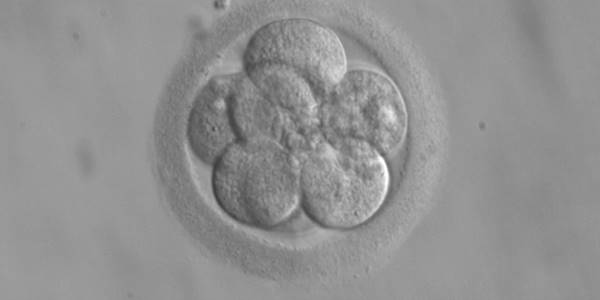
Image: PD

1. The rate of triplet and higher-order births declined 29% from 1998 to 2011 along with the proportion of three or more embryo transfers.

2. From 1998 to 2011, the proportion of IVF procedures involving three or more embryos declined from 79% to 24%.

Evidence Rating Level: 2 (Good)

Study Rundown: In the era of fertility treatments, this study provides an overview of important trends in the multiple birth rate in the United States.  Drawing on population-level data from the CDC, the authors show that the rate of twin births, adjusted for maternal age, seems to have leveled off, and that the rate of triplet and higher-order births has declined steadily since 1998, when guidelines were first released regarding IVF treatments.  Drawing on previous studies that showed that non-IVF fertility treatments (i.e. ovulation induction and ovarian stimulation) have been shown to account for more multiple births than IVF, the authors find that there has been an increase in the estimated proportion of triplet and higher-order births attributable to non-IVF fertility treatments from 1998 to 2011.  Strengths of the study include the fact that they were able to adjust for the effect of maternal age, a major driver of multiple fertility, on the rates of multiple births through direct standardization; however, a major drawback was the fact that they were unable to adjust for obesity status, race, and ethnic group, all of which may confound the reported rates over the study period.  Furthermore, given that the authors were forced to derive the contribution of non-IVF fertility treatments to multiple birth rates (a form of data not systematically collected in the U.S.), it is possible that multiple births attributed to this treatment modality were actually unreported IVF births.

Click to read the study, published today in NEJM

RELATED REPORTS

The Scan by 2 Minute Medicine®: Leucovorin autism update, Oura Ring FDA scrutiny, Lilly oral GLP-1 trial, and Florida vaccine mandate repeal

Tylenol in the Spotlight: Pregnancy, Autism, and Evolving Guidance on Acetaminophen use

Pre-conception computed tomography ionizing radiation may be associated with worse reproductive outcomes

Relevant Reading: Trends in multiple births conceived using assisted reproductive technology

Study Author, Dr. Eli Y. Adashi, MD, MS, CPE, FACOG, talks to 2 Minute Medicine Professor of Medical Science, The Warren Alpert School of Medicine, Brown University:

“The multiple births epidemic, largely but not exclusively the product of fertility-promotion, remains substantial. However, it is possible that the multiple births epidemic may have crested in that the twin birth rate has in effect plateaued and the higher-order birth rate has been receding.  This one step forward is largely attributable to a decline in IVF-driven multiples. At the same time, two steps back are being taken by non-IVF paradigms, which at present constitute the leading contributor to the multiple births excess.  Prudent practice patterns, payment reforms, public reporting, and potentially other measures may well be required if non-IVF-driven multiple births are to be curtailed”

In-Depth [retrospective cohort]: This study drew on several data sets in order to determine the trends in and magnitude of the contribution of fertility treatments to the rate of multiples births in the United States.  Data from the National Center for Health Statistics of the CDC were used to determine the annual national rates of multiple births from 1971 to 2011; these rates were adjusted for the effect of maternal age on multiple births through direct standardization.  The authors also estimated the proportion of multiple births resulting from natural conception and the proportion resulting from medically assisted conception.  Data from the National Assisted Reproduction Technology Surveillance System of the CDC were used to estimate the annual proportion of multiple births from medically assisted conceptions specifically involving IVF; remaining births were classified as multiple births from non-IVF fertility treatments.  Specific attention was paid to the proportion of multiple births resulting from IVF following 1998, when the Society for Assisted Reproductive Technology first developed practice guidelines.

The rate of twin births increased by a factor of 1.9 from 1971 to 2009 and seems to have leveled off; the rate of triplet and higher-order births increased by a factor of 6.7 from 1971 to 1998, with a decline of 29% from 1998 to 2011, following the initial release of IVF practice guidelines (P<0.001 for trend).  Of note, the estimated proportion of twin births that were attributable to non-IVF fertility treatment increased from 16% in 1998 to 19% in 2011 (P=0.008 for trend); for triplet and higher-order births the increase was from 36% to 45% (P<0.001 for trend).   Finally, from 1998 to 2011, the proportion of IVF procedures involving three or more embryos declined from 79% to 24% (P<0.001 for trend).

By Matthew Growdon and Xu Gao

More from this author: Insecticidal bed nets linked with reduced transmission of lymphatic filariasis, Fecal occult-blood testing linked with reduction in colorectal-cancer mortality, High-flow nasal cannulae noninferior to nasal CPAP in very preterm infants after extubation, Dolutegravir regimen more effective than standard regimen in treatment of HIV-1, E. coli in mid-stream urine highly sensitive for cystitis

©2012-2013 2minutemedicine.com. All rights reserved. No works may be reproduced without expressed written consent from 2minutemedicine.com. Disclaimer: We present factual information directly from peer reviewed medical journals. No post should be construed as medical advice and is not intended as such by the authors, editors, staff or by 2minutemedicine.com. PLEASE SEE A HEALTHCARE PROVIDER IN YOUR AREA IF YOU SEEK MEDICAL ADVICE OF ANY SORT. 

Tags: IVFpregnancy
Previous Post

The SAVE trial: Captopril after acute MI reduces mortality and morbidity [Classics Series]

Next Post

Imaging biomarkers may improve prediction of aortic valve stenosis

RelatedReports

The Scan by 2 Minute Medicine®:  Ultra-Trail du Mont-Blanc, Taylor Swift, NBA rookie Chet Holmgren and Magic Mushrooms!
Obstetrics

The Scan by 2 Minute Medicine®: Leucovorin autism update, Oura Ring FDA scrutiny, Lilly oral GLP-1 trial, and Florida vaccine mandate repeal

September 25, 2025
Majority of pediatric medication-related visits to emergency department are preventable
Career Development

Tylenol in the Spotlight: Pregnancy, Autism, and Evolving Guidance on Acetaminophen use

September 25, 2025
Half of parents aware of CT radiation cancer risk
Obstetrics

Pre-conception computed tomography ionizing radiation may be associated with worse reproductive outcomes

September 8, 2025
Few high school students, young adults get HIV testing
Chronic Disease

Increased risk of low birth weight and adverse pregnancy outcomes among women living with HIV

August 22, 2025
Next Post
Imaging biomarkers may improve prediction of aortic valve stenosis

Imaging biomarkers may improve prediction of aortic valve stenosis

Duloxetine reduces neuropathic pain in chemotherapy patients

Longer preoperative treatment of advanced pancreatic cancer may extend survival

Patients with late stage melanoma remain at risk for further primary melanoma

Patients with late stage melanoma remain at risk for further primary melanoma

2 Minute Medicine® is an award winning, physician-run, expert medical media company. Our content is curated, written and edited by practicing health professionals who have clinical and scientific expertise in their field of reporting. Our editorial management team is comprised of highly-trained MD physicians. Join numerous brands, companies, and hospitals who trust our licensed content.

Recent Reports

  • Obstructive Sleep Apnea Risk and Mental Health Conditions Among Older Canadian Adults in the Canadian Longitudinal Study on Aging
  • Neighborhood Deprivation and Days Spent at Home After Fall-Related Hip Fracture
  • Three vs 12-month DAPT after implantation of biodegradable-polymer sirolimus-eluting coronary stent: a randomised clinical trial
License Content
Terms of Use | Disclaimer
Cookie Policy
Privacy Statement (EU)
Disclaimer

© 2025 2 Minute Medicine, Inc. - Physician-written medical news.

  • Specialties
    • All Specialties, All Recent Reports
    • Cardiology
    • Chronic Disease
    • Dermatology
    • Emergency
    • Endocrinology
    • Gastroenterology
    • Imaging and Intervention
    • Infectious Disease
    • Nephrology
    • Neurology
    • Obstetrics
    • Oncology
    • Ophthalmology
    • Pediatrics
    • Pharma
    • Preclinical
    • Psychiatry
    • Public Health
    • Pulmonology
    • Rheumatology
    • Surgery
  • Tools
    • EvidencePulse™
    • RVU Search
    • NPI Registry Lookup
  • Pharma
  • AI News
  • The Scan
  • Classics™
    • 2MM+ Online Access
    • Paperback and Ebook
  • Rewinds
  • Partners
    • License Content
    • Submit Press Release
    • Advertise with Us
  • Account
    • Subscribe
    • Sign-in
    • My account
No Result
View All Result

© 2025 2 Minute Medicine, Inc. - Physician-written medical news.