• About
  • Masthead
  • License Content
  • Advertise
  • Submit Press Release
  • RSS/Email List
  • 2MM Podcast
  • Write for us
  • Contact Us
2 Minute Medicine
No Result
View All Result

No products in the cart.

SUBSCRIBE
  • Specialties
    • All Specialties, All Recent Reports
    • Cardiology
    • Chronic Disease
    • Dermatology
    • Emergency
    • Endocrinology
    • Gastroenterology
    • Imaging and Intervention
    • Infectious Disease
    • Nephrology
    • Neurology
    • Obstetrics
    • Oncology
    • Ophthalmology
    • Pediatrics
    • Pharma
    • Preclinical
    • Psychiatry
    • Public Health
    • Pulmonology
    • Rheumatology
    • Surgery
  • Tools
    • EvidencePulse™
    • RVU Search
    • NPI Registry Lookup
  • Pharma
  • AI News
  • The Scan+
  • Classics™+
    • 2MM+ Online Access
    • Paperback and Ebook
  • Rewinds
  • Partners
    • License Content
    • Submit Press Release
    • Advertise with Us
  • Account
    • Subscribe
    • Sign-in
    • My account
2 Minute Medicine
  • Specialties
    • All Specialties, All Recent Reports
    • Cardiology
    • Chronic Disease
    • Dermatology
    • Emergency
    • Endocrinology
    • Gastroenterology
    • Imaging and Intervention
    • Infectious Disease
    • Nephrology
    • Neurology
    • Obstetrics
    • Oncology
    • Ophthalmology
    • Pediatrics
    • Pharma
    • Preclinical
    • Psychiatry
    • Public Health
    • Pulmonology
    • Rheumatology
    • Surgery
  • Tools
    • EvidencePulse™
    • RVU Search
    • NPI Registry Lookup
  • Pharma
  • AI News
  • The Scan+
  • Classics™+
    • 2MM+ Online Access
    • Paperback and Ebook
  • Rewinds
  • Partners
    • License Content
    • Submit Press Release
    • Advertise with Us
  • Account
    • Subscribe
    • Sign-in
    • My account
SUBSCRIBE
2 Minute Medicine
Subscribe
Home All Specialties Infectious Disease

Routine vaccination of children declined during the COVID-19 pandemic

byRebecca SeligaandAlex Gipsman, MD
June 18, 2021
in Infectious Disease, Pediatrics
Reading Time: 3 mins read
0
Share on FacebookShare on Twitter

 1. Doses of recommended non-influenza vaccines administered to children of all age groups decreased significantly in Southern California following the stay-at-home order at the beginning of the COVID-19 pandemic.

2. During the recovery phase of the pandemic, weekly vaccination rates recovered quickly in children younger than 24 months, but remained significantly lower in children 2-18 years old.

Evidence Rating Level: 2 (Good)

Study Rundown: During the early stages of the COVID-19 pandemic, there was a drastic decline in well-child visits and therefore decreased vaccine administration to children, thus increasing the risk of vaccine-preventable diseases (VPDs). This study sought to describe trends in routine childhood vaccination occurring in the pre-pandemic, stay-at-home, and reopening periods of 2020 in a large cohort of Southern California children, and compared these findings to the corresponding periods in 2019. Both weekly vaccine doses administered as well as measles-containing vaccine administration were significantly lower at the beginning of the stay-at-home order in March 2020 compared to 2019. Decline in vaccination was less severe in children aged <2 years, and vaccination in this age group was quicker to increase back to near pre-pandemic levels. However, vaccination remained lower in older age groups as well as in non-Hispanic Black children. This is likely in part due to focused efforts of healthcare providers to specifically vaccinate the <2 year age group, given the large number of vaccines given during a short time period to these children. These efforts can be expanded to children of all ages and racial groups to increase vaccine uptake and reduce racial disparities. This study is strengthened by its large and diverse sample of children across multiple medical centers in Southern California, but may not reflect trends among children with poorer access to health care and insurance coverage. Overall, these findings raise concern that outbreaks of VPDs may be on the horizon, and efforts should be taken to ensure all children are up-to-date on their routine immunizations.

Click to read the study in PEDIATRICS

Relevant Reading: Childhood Immunization and COVID-19: An Early Narrative Review

RELATED REPORTS

Pediatric patients with chronic medical conditions may have higher risk of invasive pneumococcal disease

Patient and provider characteristics associated with difficult clinical encounters

Influenza vaccination improves survival and reduces readmissions in patients hospitalized for acute heart failure

In-Depth [retrospective cohort]: This retrospective cohort study gathered data from electronic health records of nearly one million children enrolled in the Kaiser Permanente Southern California (KPSC) integrated healthcare system. Data including weekly routine vaccine doses, measles-containing vaccine doses, and complete vaccination coverage in children of various age groups (0-23 months, 2-6 years, 7-12 years, 13-18 years) were compared between 2019 and 2020. This data was further broken down into the pre-pandemic (January-March), stay-at-home (April-May), and reopening (June-August) periods. All vaccination data collected in all age groups was found to be lower in 2020 compared to 2019. The greatest difference was seen during the stay-at-home order of 2020, with routine doses administered decreasing by 87.6% (95% CI -88.2%, -86.9%) in children aged 13-18 years, 83% (95% CI -83.6,%, -82.4%) in children aged 2-6 years, and 25.2% (95% CI -26.0%, -24.4%) in children aged <2 years. During the reopening period of 2020, vaccination doses administered remained persistently low in older age groups, but recovered to near 2019 levels, being only 5.2% lower (95%CI -6.0%, -4.4%) in children aged <2 years. On the other hand, vaccine coverage declined more immediately and significantly in children <2 years due to shorter vaccination intervals. Measles-containing vaccine doses given followed similar trends to total vaccine doses given, though measles coverage in the youngest age group remained lower at the end of the study period in 2020 compared to in 2019. Of note, researchers also found that recovery of the number of vaccine doses given was lower in non-Hispanic Black children.

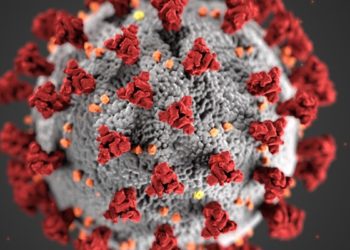
Image: PD

©2021 2 Minute Medicine, Inc. All rights reserved. No works may be reproduced without expressed written consent from 2 Minute Medicine, Inc. Inquire about licensing here. No article should be construed as medical advice and is not intended as such by the authors or by 2 Minute Medicine, Inc.


Tags: measlesprimary carevaccination
Previous Post

#VisualAbstract Granuloma annulare was associated with increased risk of type 2 diabetes, hyperlipidemia, and certain autoimmune conditions

Next Post

Prophylactic anticoagulation associated with lower in-hospital and 60-day mortality for patients hospitalized with COVID-19

RelatedReports

Medical vaccine exemptions increase after elimination of nonmedical exemptions
Chronic Disease

Pediatric patients with chronic medical conditions may have higher risk of invasive pneumococcal disease

January 27, 2026
Chronic Disease

Patient and provider characteristics associated with difficult clinical encounters

January 12, 2026
Medical vaccine exemptions increase after elimination of nonmedical exemptions
Cardiology

Influenza vaccination improves survival and reduces readmissions in patients hospitalized for acute heart failure

October 29, 2025
Adding trained interventionists to primary care results in weight loss
The Scan by 2 Minute Medicine®

Center of Disease Control layoffs raise alarm over surveillance and preparedness

October 27, 2025
Next Post
Thrombophilia-associated stillbirth risk appears limited to factor V Leiden

Prophylactic anticoagulation associated with lower in-hospital and 60-day mortality for patients hospitalized with COVID-19

Quick Take: The clinical effectiveness of sertraline in primary care and the role of depression severity and duration (PANDA): a pragmatic, double-blind, placebo-controlled randomized trial

Discontinuation of statins in older patients with polypharmacy associated with increased cardiovascular events

Quick Take: Functional Outcome of Intravenous Thrombolysis in Patients With Lacunar Infarcts in the WAKE-UP Trial

2 Minute Medicine Rewind June 21, 2021

2 Minute Medicine® is an award winning, physician-run, expert medical media company. Our content is curated, written and edited by practicing health professionals who have clinical and scientific expertise in their field of reporting. Our editorial management team is comprised of highly-trained MD physicians. Join numerous brands, companies, and hospitals who trust our licensed content.

Recent Reports

  • 2 Minute Medicine Rewind February 9, 2026
  • An ultrasound test may more reliably detect ovarian cancer in premenopausal women than the Risk of Malignancy Index
  • Chimeric antigen receptor T-cell therapy may induce sustained remission in multirefractory autoimmune hemolytic anemia
License Content
Terms of Use | Disclaimer
Cookie Policy
Privacy Statement (EU)
Disclaimer

© 2025 2 Minute Medicine, Inc. - Physician-written medical news.

  • Specialties
    • All Specialties, All Recent Reports
    • Cardiology
    • Chronic Disease
    • Dermatology
    • Emergency
    • Endocrinology
    • Gastroenterology
    • Imaging and Intervention
    • Infectious Disease
    • Nephrology
    • Neurology
    • Obstetrics
    • Oncology
    • Ophthalmology
    • Pediatrics
    • Pharma
    • Preclinical
    • Psychiatry
    • Public Health
    • Pulmonology
    • Rheumatology
    • Surgery
  • Tools
    • EvidencePulse™
    • RVU Search
    • NPI Registry Lookup
  • Pharma
  • AI News
  • The Scan
  • Classics™
    • 2MM+ Online Access
    • Paperback and Ebook
  • Rewinds
  • Partners
    • License Content
    • Submit Press Release
    • Advertise with Us
  • Account
    • Subscribe
    • Sign-in
    • My account
No Result
View All Result

© 2025 2 Minute Medicine, Inc. - Physician-written medical news.