




• About
  • Masthead
  • License Content
  • Advertise
  • Submit Press Release
  • RSS/Email List
  • 2MM Podcast
  • Write for us
  • Contact Us
2 Minute Medicine
No Result
View All Result

No products in the cart.

SUBSCRIBE
  • Specialties
    • All Specialties, All Recent Reports
    • Cardiology
    • Chronic Disease
    • Dermatology
    • Emergency
    • Endocrinology
    • Gastroenterology
    • Imaging and Intervention
    • Infectious Disease
    • Nephrology
    • Neurology
    • Obstetrics
    • Oncology
    • Ophthalmology
    • Pediatrics
    • Pharma
    • Preclinical
    • Psychiatry
    • Public Health
    • Pulmonology
    • Rheumatology
    • Surgery
  • Tools
    • EvidencePulse™
    • RVU Search
    • NPI Registry Lookup
  • Pharma
  • AI News
  • The Scan+
  • Classics™+
    • 2MM+ Online Access
    • Paperback and Ebook
  • Rewinds
  • Partners
    • License Content
    • Submit Press Release
    • Advertise with Us
  • Account
    • Subscribe
    • Sign-in
    • My account
2 Minute Medicine
  • Specialties
    • All Specialties, All Recent Reports
    • Cardiology
    • Chronic Disease
    • Dermatology
    • Emergency
    • Endocrinology
    • Gastroenterology
    • Imaging and Intervention
    • Infectious Disease
    • Nephrology
    • Neurology
    • Obstetrics
    • Oncology
    • Ophthalmology
    • Pediatrics
    • Pharma
    • Preclinical
    • Psychiatry
    • Public Health
    • Pulmonology
    • Rheumatology
    • Surgery
  • Tools
    • EvidencePulse™
    • RVU Search
    • NPI Registry Lookup
  • Pharma
  • AI News
  • The Scan+
  • Classics™+
    • 2MM+ Online Access
    • Paperback and Ebook
  • Rewinds
  • Partners
    • License Content
    • Submit Press Release
    • Advertise with Us
  • Account
    • Subscribe
    • Sign-in
    • My account
SUBSCRIBE
2 Minute Medicine
Subscribe
Home All Specialties Chronic Disease

Seladelpar improves symptoms of primary biliary cholangitis

byNhat Hung (Benjamin) LamandKiera Liblik
March 11, 2024
in Chronic Disease, Gastroenterology
Reading Time: 3 mins read
0
Share on FacebookShare on Twitter

1. In this randomized controlled trial, among patients with primary biliary cholangitis (PBC) who had had inadequate response to ursodeoxycholic acid, seladelpar was superior to placebo in achieving biochemical response and symptomatic management.

2. Seladelpar had an acceptable safety profile, with similar rates of adverse events to a placebo.

Evidence Rating Level: 1 (Excellent)

Study Rundown: PBC is a rare liver disease caused by inflammation of intrahepatic bile ducts, leading to bile accumulation, biliary fibrosis, and eventually cirrhosis and liver failure. Ursodeoxycholic acid is the first-line treatment for PBC, but many patients have inadequate response, with persistently high alkaline phosphatase (ALP) or bilirubin levels. Seladelpar is a selective agonist of peroxisome proliferator-activated receptor delta (PPARd), which is key in several pathophysiologic pathways of PBC. The current phase three trial evaluated the efficacy and safety of seladelpar for patients with PBC who had had inadequate response to ursodeoxycholic acid. By month 12, patients in the seladelpar group had a significantly higher rate of biochemical response, defined by ALP and bilirubin levels, compared to the placebo group. Significantly higher proportions of seladelpar recipients also showed normalization of the ALP level and reduction in pruritus than placebo. Seladelpar was associated with higher rates of headache, gastrointestinal upset, and coronavirus disease 2019 (COVID-19), all of which were mild and did not result in discontinuation. Although these were early results with limited safety data, the trial demonstrated the potential of seladelpar as a therapy for PBC.

Click here to read the study in NEJM

In-Depth [randomized controlled trial]: This study was a randomized controlled trial to evaluate seladelpar to treating PBC. Patients between 18 and 75 years of age with PBC, adequate renal function, and normal platelet count, treated with ursodeoxycholic acid for at least 12 months, or had unacceptable side effects with the medication were eligible for inclusion. Exclusion criteria included advanced PBC, hepatic decompensation, and other concomitant chronic liver disease. In total, 193 patients were randomized 2:1 to receive oral seladelpar 10mg or placebo daily. The primary outcome was a biochemical response, defined as an ALP level less than 1.67 times the ULN with a reduction of ≥15% from baseline and a normal total bilirubin level by 12 months. Secondary outcomes included normalization of ALP level at month 12, change from baseline in the score of pruritus numerical rating scale (NRS) by six months in patients with a baseline score of ≥4/10 (moderate itch), and quality of life assessment. Overall, at 12 months, significantly more patients in the seladelpar group (61.7%) demonstrated a biochemical response compared to the placebo group (20.0%) (difference, 41.7 percentage points; 95% Confidence Interval [CI], 27.7 to 53.4; p<0.001). Additionally, ALP was normalized in 25.0% of seladelpar recipients compared to none in those receiving placebo (difference, 25.0 percentage points; 95% CI, 18.3 to 33.2; p<0.001). At six months, among patients with moderate itch at baseline, seladelpar resulted in a greater reduction in pruritis NRS than placebo (p=0.005). Although the overall rates of adverse events were comparable between the two groups, seladelpar was associated with higher incidences of COVID-19, headache, and gastrointestinal upset. No serious adverse events were deemed to be related to seladelpar. These results demonstrated the efficacy of seladelpar as a second-line therapy to achieve biochemical response and symptomatic relief for patients with PBC.

RELATED REPORTS

Mobile telemedicine is associated with higher chances of initiating hepatitis C virus treatment in intravenous drug users with chronic hepatitis C

Ethosuximide may not be effective for the treatment of abdominal pain in irritable bowel syndrome

Association between atrial fibrillation and both the in-hospital mortality and disease severity in acute pancreatitis: insights from a multicenter study

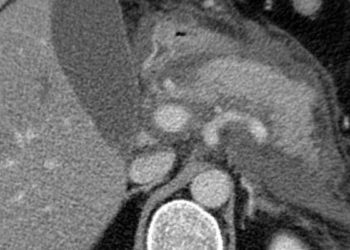
Image: PD

©2024 2 Minute Medicine, Inc. All rights reserved. No works may be reproduced without expressed written consent from 2 Minute Medicine, Inc. Inquire about licensing here. No article should be construed as medical advice and is not intended as such by the authors or by 2 Minute Medicine, Inc.

Tags: chronic diseaseGastroenterologyimmunologyprimary biliary cholangitisseladelparursodeoxycholic acid
Previous Post

#VisualAbstract: Enfortumab Vedotin and Pembrolizumab Reduces Mortality in Metastatic Urothelial Carcinoma

Next Post

Magnetically guided capsule endoscope with detachable string promising for diagnosing esophagogastric varices

RelatedReports

Screening insufficient for newborns exposed to hepatitis C virus
Chronic Disease

Mobile telemedicine is associated with higher chances of initiating hepatitis C virus treatment in intravenous drug users with chronic hepatitis C

February 2, 2026
Unenhanced magnetic resonance imaging highly sensitive and specific for acute appendicitis
Chronic Disease

Ethosuximide may not be effective for the treatment of abdominal pain in irritable bowel syndrome

January 20, 2026
Mild-to-moderate hypertriglyceridemia associated with higher risk of acute pancreatitis
Cardiology

Association between atrial fibrillation and both the in-hospital mortality and disease severity in acute pancreatitis: insights from a multicenter study

January 12, 2026
Chronic Disease

Combined gastric electrical stimulation and pyloroplasty may be superior to pyloroplasty alone in refractory gastroparesis

January 13, 2026
Next Post
Ticagrelor reversal agent provides immediate and sustained effect

Magnetically guided capsule endoscope with detachable string promising for diagnosing esophagogastric varices

Nearly Half of All Pediatric Buprenorphine Exposures Result in Hospitalization

Empagliflozin Shows Promise As An Adjunct To Selective Serotonin Reuptake Inhibitors In Reducing Symptom Severity In Major Depressive Disorder

“No Evidence of Disease Activity” may be useful goal in multiple sclerosis

Biomarkers of Alzheimer's disease detected as early as 18 years prior to diagnosis

2 Minute Medicine® is an award winning, physician-run, expert medical media company. Our content is curated, written and edited by practicing health professionals who have clinical and scientific expertise in their field of reporting. Our editorial management team is comprised of highly-trained MD physicians. Join numerous brands, companies, and hospitals who trust our licensed content.

Recent Reports

  • Second-stage cesarean and operative vaginal deliveries are associated with similar neurodevelopmental outcomes in children
  • Isotonic Fluids Reduce Hyponatremia in Hospitalized Children
  • A planetary health diet is associated with a lower risk of developing chronic kidney disease
License Content
Terms of Use | Disclaimer
Cookie Policy
Privacy Statement (EU)
Disclaimer

© 2025 2 Minute Medicine, Inc. - Physician-written medical news.

  • Specialties
    • All Specialties, All Recent Reports
    • Cardiology
    • Chronic Disease
    • Dermatology
    • Emergency
    • Endocrinology
    • Gastroenterology
    • Imaging and Intervention
    • Infectious Disease
    • Nephrology
    • Neurology
    • Obstetrics
    • Oncology
    • Ophthalmology
    • Pediatrics
    • Pharma
    • Preclinical
    • Psychiatry
    • Public Health
    • Pulmonology
    • Rheumatology
    • Surgery
  • Tools
    • EvidencePulse™
    • RVU Search
    • NPI Registry Lookup
  • Pharma
  • AI News
  • The Scan
  • Classics™
    • 2MM+ Online Access
    • Paperback and Ebook
  • Rewinds
  • Partners
    • License Content
    • Submit Press Release
    • Advertise with Us
  • Account
    • Subscribe
    • Sign-in
    • My account
No Result
View All Result

© 2025 2 Minute Medicine, Inc. - Physician-written medical news.