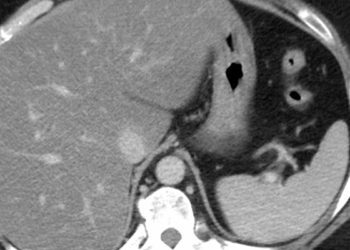
Seladelpar (Livdelzi) raises the bar for primary biliary cholangitis treatment

1. Gilead reported positive phase 3 IDEAL data for seladelpar (Livdelzi) in patients with primary biliary cholangitis who had persistent alkaline phosphatase elevation.
2. The findings support a broader treatment goal in primary biliary cholangitis, moving beyond partial biochemical improvement toward normalization of disease markers.
Gilead has reported positive phase 3 IDEAL data for seladelpar (Livdelzi), adding momentum to its role in primary biliary cholangitis (PBC). The trial focused on patients who still had alkaline phosphatase (ALP) levels above normal but below 1.67 times the upper limit of normal despite treatment with ursodeoxycholic acid, or who could not tolerate that therapy. That patient group is clinically important because they may not appear as severe as traditional trial populations, yet persistent ALP elevation still carries long-term prognostic significance. In IDEAL, seladelpar showed statistically significant composite ALP normalization at 52 weeks. That result matters because hepatology is increasingly moving toward deeper biochemical control rather than accepting partial improvement as good enough. The broader evidence base for seladelpar was strengthened by the phase 3 RESPONSE trial. In RESPONSE, 61.7% of patients receiving seladelpar achieved a biochemical response compared with 20.0% receiving placebo. ALP normalization occurred in 25.0% of patients receiving seladelpar and in none of the patients receiving placebo. For physicians treating PBC, those numbers help clarify why this drug has generated attention in a disease area where therapeutic options have historically been limited. The practical question now is how early clinicians should intervene when patients have persistent biochemical abnormalities but may not yet have advanced clinical disease. Seladelpar may also be relevant because PBC is a chronic disease where small differences in biochemical control can matter over years of follow-up. For patients, earlier normalization of disease markers could eventually translate into better long-term liver outcomes, though continued follow-up will be important. For Gilead, the data strengthen the rare liver disease portfolio it built through the CymaBay acquisition. The new IDEAL results are summarized in Gilead’s phase 3 update, with the pivotal RESPONSE data published in The New England Journal of Medicine. The broader takeaway is that treatment goals in PBC are becoming more ambitious, with growing attention on whether therapies can normalize the markers physicians use to track disease activity.
Image: PD
©2026 2 Minute Medicine, Inc. All rights reserved. No works may be reproduced without expressed written consent from 2 Minute Medicine, Inc. Inquire about licensing here. No article should be construed as medical advice and is not intended as such by the authors or by 2 Minute Medicine, Inc.
![2 Minute Medicine: Pharma Roundup: Price Hikes, Breakthrough Approvals, Legal Showdowns, Biotech Expansion, and Europe’s Pricing Debate [May 12nd, 2025]](https://www.2minutemedicine.com/wp-content/uploads/2025/05/ChatGPT-Image-May-12-2025-at-10_22_23-AM-350x250.png)