• About
  • Masthead
  • License Content
  • Advertise
  • Submit Press Release
  • RSS/Email List
  • 2MM Podcast
  • Write for us
  • Contact Us
2 Minute Medicine
No Result
View All Result

No products in the cart.

SUBSCRIBE
  • About
  • Specialties
    • All Specialties, All Recent Reports
    • Cardiology
    • Chronic Disease
    • Dermatology
    • Emergency
    • Endocrinology
    • Gastroenterology
    • Imaging and Intervention
    • Infectious Disease
    • Nephrology
    • Neurology
    • Obstetrics
    • Oncology
    • Ophthalmology
    • Pediatrics
    • Pharma
    • Preclinical
    • Psychiatry
    • Public Health
    • Pulmonology
    • Rheumatology
    • Surgery
  • Tools+
    • EvidencePulse™
    • HypeCheck™
    • NPI Registry Lookup
    • RVU Search
  • Pharma
  • AI Roundup
  • The Scan+
  • Classics™+
    • 2MM+ Online Access
    • Paperback and Ebook
  • Rewinds
  • Partners
    • License Content
    • Submit Press Release
    • Advertise with Us
  • Account
    • Subscribe
    • My account
    • Cart
    • Sign in
2 Minute Medicine
  • About
  • Specialties
    • All Specialties, All Recent Reports
    • Cardiology
    • Chronic Disease
    • Dermatology
    • Emergency
    • Endocrinology
    • Gastroenterology
    • Imaging and Intervention
    • Infectious Disease
    • Nephrology
    • Neurology
    • Obstetrics
    • Oncology
    • Ophthalmology
    • Pediatrics
    • Pharma
    • Preclinical
    • Psychiatry
    • Public Health
    • Pulmonology
    • Rheumatology
    • Surgery
  • Tools+
    • EvidencePulse™
    • HypeCheck™
    • NPI Registry Lookup
    • RVU Search
  • Pharma
  • AI Roundup
  • The Scan+
  • Classics™+
    • 2MM+ Online Access
    • Paperback and Ebook
  • Rewinds
  • Partners
    • License Content
    • Submit Press Release
    • Advertise with Us
  • Account
    • Subscribe
    • My account
    • Cart
    • Sign in
SUBSCRIBE
2 Minute Medicine
Subscribe
EvidencePulse™ by 2 Minute Medicine 2026 evidence scan 3 reports You asked top stroke trials 2026 Synthesizing medical evidence... Top 2026 stroke trial results: OCEANIC — ischemic stroke: 6.2% vs 8.4% OPTION* — mRS 0–1: 43.6% vs 34.2% ORIENTAL* — mRS 0–2: 58.6% vs 46.6% *Higher sICH in intervention arms Participants randomizedN OCEANIC 12,327 OPTION 570 ORIENTAL 564 Ask about guidelines or landmark trials... ↑ Try EvidencePulse™ Ask the evidence.
Get the signal.
Try it now → Physician-trained medical AI by 2 Minute Medicine
Home All Specialties Neurology

Shift work impacts cognition, but likely not permanently
byDaniel FisherandRavi Shah
November 7, 2014
in Neurology, Psychiatry
Reading Time: 3 mins read
Childhood migraine associated with infantile colic
Share on FacebookShare on Twitter

1. The duration of rotating shift work was negatively associated with global cognition scores.

2. Cognition impairment from rotating shift work was still evident within 5 years after switching to a non-shift work schedule but was not found in workers more than 5 years removed from shift work.

Evidence Rating Level: 1 (Excellent)

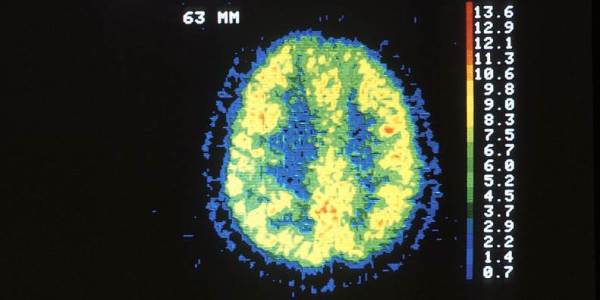
Study Rundown: The deleterious effects of ongoing shift work, including working night shifts, having a rotating around-the-clock schedule, and having a schedule that precludes regular sleep, on cognition have been well studied, but few studies have investigated the effects of chronic shift work on long-term cognition. Recent evidence on the harmful effects of long-term circadian disruption is being found in areas of metabolic dysfunction and overall health, suggesting that chronic shift work may negatively impact cognition for many years after the shift work has been completed. This study analyzed rotating shift workers and non-shift workers for over 10 years and evaluated cognition at the beginning of the study as well as after 5 and 10 years. Current and past shift workers had lower speed and memory cognition scores than those who had never done shift work. Further, global cognition scores were negatively associated with number of years doing shift work. This study also showed that current rotating shift workers and those less than 5 years removed from shift work had similar decreases in global cognition compared to those more than 5 years removed from rotating shift work and those who had never been shift workers. Patients who were more than 5 years removed from shift work had recovery of cognition scores.

This study shows that chronic, rotating shift work has significant long-term cognitive impact but also suggests that recovery from shift work is possible over a decade. Future investigations with more time points after departure from shift work will more accurately describe the long-term effects of shift work. Finally, including more types of shift work into future analyses should greatly improve our understanding of this important relationship between circadian disruption and cognition.

Click to read the study in Occupational and Environmental Medicine

RELATED REPORTS

Gepotidacin (Blujepa) is safe and effective in women with uncomplicated urinary tract infections

Most routine blood tests do not require prolonged fasting

Pairing cardiac magnetic resonance with electrocardiograms (ECGs) improved artificial intelligence (AI) assessments of cardiovascular diseases

Relevant Reading: Shift Work and Cognition in the Nurse’s Health Study

In-Depth [prospective cohort]: Data on the 3232 participants was randomly drawn from physician’s practices in southern France (participation rate = 76%), as part of the VISAT study, and was assessed at the beginning of the study, at 5 years into the study, and at 10 years. Two-thirds of the original cohort was seen at 5 years and one-third was seen at 10 years. An attrition analysis suggested that the drop-off in participation over the decade likely did not impact the study’s findings. Shift work was restricted to rotating shift workers that had greater than 50 days of shift work per year. Cognition was measured with 8 clinical tasks, 5 covering memory and 3 covering response speed. Both memory and speed cognition scores were lower for those who were current or past shift workers (p<0.0001 for both) without significant interactions among other covariates. Workers with >10 years exposure had significantly decreased global cognition (p<0.0001) while those with less than 10 years exposure only trended towards decreased global cognition (p=0.06). Memory scores followed this trend while speed scores were only decreased in patients with executive shift work positions. Patients with <5 years of shift work showed similar declines in memory cognition as current shift-workers compared to either non-shift workers or those >5 years removed from shift work.

More from this author: Suicide tourism in Switzerland, Decreased facial expression variability linked with serious cardiac disease, HIV infection may protect against multiple sclerosis, Social cohesion may reduce heart attack risk

Image: PD

©2012-2014 2minutemedicine.com. All rights reserved. No works may be reproduced without expressed written consent from 2minutemedicine.com. Disclaimer: We present factual information directly from peer reviewed medical journals. No post should be construed as medical advice and is not intended as such by the authors, editors, staff or by 2minutemedicine.com. PLEASE SEE A HEALTHCARE PROVIDER IN YOUR AREA IF YOU SEEK MEDICAL ADVICE OF ANY SORT.


Previous Post

Fatty liver disease may independently predict high-risk coronary disease

Next Post

Cholesterol-containing lipid particles protect mice from lethal bacterial toxins

RelatedReports

Infectious Disease

Gepotidacin (Blujepa) is safe and effective in women with uncomplicated urinary tract infections

October 9, 2026
2 Minute Medicine

Most routine blood tests do not require prolonged fasting

October 9, 2026
Artificial Intelligence

Pairing cardiac magnetic resonance with electrocardiograms (ECGs) improved artificial intelligence (AI) assessments of cardiovascular diseases

October 9, 2026
Chronic Disease

Low-dose radiotherapy may be effective as a short-term therapeutic option in knee osteoarthritis

October 8, 2026
Next Post
Home scoring system may prevent unnecessary pharyngitis clinic visits

Cholesterol-containing lipid particles protect mice from lethal bacterial toxins

Dacomitinib may be effective in EGFR-associated lung cancer

Dacomitinib may be effective in EGFR-associated lung cancer

Olaparib monotherapy may be effective in advanced BRCA-associated cancers

Olaparib monotherapy may be effective in advanced BRCA-associated cancers

EvidencePulse™ by 2 Minute Medicine 2026 evidence scan 3 reports You asked top stroke trials 2026 Synthesizing medical evidence... Top 2026 stroke trial results: OCEANIC — ischemic stroke: 6.2% vs 8.4% OPTION* — mRS 0–1: 43.6% vs 34.2% ORIENTAL* — mRS 0–2: 58.6% vs 46.6% *Higher sICH in intervention arms Participants randomizedN OCEANIC 12,327 OPTION 570 ORIENTAL 564 Ask about guidelines or landmark trials... ↑ Try EvidencePulse™ Get the signal. Try it now → Physician-trained medical AI by 2 Minute Medicine

2MM+ All Access

Full details →
$4.99 /month

3-day free trial · cancel anytime

  • ✓100+ physician-written reports
  • ✓EvidencePulse™ + HypeCheck™
  • ✓Ad-free reading + newsletters
Start 3-day free trial

Then $4.99/month. Manage renewal in your account.

2 Minute Medicine® is an award winning, physician-run, expert medical media company. Our content is curated, written and edited by practicing health professionals who have clinical and scientific expertise in their field of reporting. Our editorial management team is comprised of highly-trained MD physicians. Join numerous brands, companies, and hospitals who trust our licensed content.

Recent Reports

  • Gepotidacin (Blujepa) is safe and effective in women with uncomplicated urinary tract infections
  • Most routine blood tests do not require prolonged fasting
  • Pairing cardiac magnetic resonance with electrocardiograms (ECGs) improved artificial intelligence (AI) assessments of cardiovascular diseases
License Content
Terms of Use | Disclaimer
Cookie Policy
Cleantalk Pixel
2MM+ All Access Full details →

The medical literature, distilled daily.

Monthly plan selected: $4.99 /month.

$4.99/month

3-day free trial · cancel anytime

Start 3-day free trial

Then $4.99/month. Manage renewal in your account.

Yearly plan selected: $49.90 /year.

$49.90/year

2 months free

Start 3-day free trial

Then $49.90/year.

Membership benefits

  • ✓100+ physician-written reports
  • ✓AI EvidencePulse™ + HypeCheck™
  • ✓Ad-free reading + newsletters

Already a member? Sign in

  • About
  • Specialties
    • All Specialties, All Recent Reports
    • Cardiology
    • Chronic Disease
    • Dermatology
    • Emergency
    • Endocrinology
    • Gastroenterology
    • Imaging and Intervention
    • Infectious Disease
    • Nephrology
    • Neurology
    • Obstetrics
    • Oncology
    • Ophthalmology
    • Pediatrics
    • Pharma
    • Preclinical
    • Psychiatry
    • Public Health
    • Pulmonology
    • Rheumatology
    • Surgery
  • Tools
    • EvidencePulse™
    • HypeCheck™
    • NPI Registry Lookup
    • RVU Search
  • Pharma
  • AI Roundup
  • The Scan
  • Classics™
    • 2MM+ Online Access
    • Paperback and Ebook
  • Rewinds
  • Partners
    • License Content
    • Submit Press Release
    • Advertise with Us
  • Account
    • Subscribe
    • My account
    • Cart
    • Sign in
No Result
View All Result

© 2026 2 Minute Medicine, Inc. - Physician-written medical news.