• About
  • Masthead
  • License Content
  • Advertise
  • Submit Press Release
  • RSS/Email List
  • 2MM Podcast
  • Write for us
  • Contact Us
2 Minute Medicine
No Result
View All Result

No products in the cart.

SUBSCRIBE
  • Specialties
    • All Specialties, All Recent Reports
    • Cardiology
    • Chronic Disease
    • Dermatology
    • Emergency
    • Endocrinology
    • Gastroenterology
    • Imaging and Intervention
    • Infectious Disease
    • Nephrology
    • Neurology
    • Obstetrics
    • Oncology
    • Ophthalmology
    • Pediatrics
    • Pharma
    • Preclinical
    • Psychiatry
    • Public Health
    • Pulmonology
    • Rheumatology
    • Surgery
  • Tools
    • EvidencePulse™
    • RVU Search
    • NPI Registry Lookup
  • Pharma
  • AI News
  • The Scan+
  • Classics™+
    • 2MM+ Online Access
    • Paperback and Ebook
  • Rewinds
  • Partners
    • License Content
    • Submit Press Release
    • Advertise with Us
  • Account
    • Subscribe
    • Sign-in
    • My account
2 Minute Medicine
  • Specialties
    • All Specialties, All Recent Reports
    • Cardiology
    • Chronic Disease
    • Dermatology
    • Emergency
    • Endocrinology
    • Gastroenterology
    • Imaging and Intervention
    • Infectious Disease
    • Nephrology
    • Neurology
    • Obstetrics
    • Oncology
    • Ophthalmology
    • Pediatrics
    • Pharma
    • Preclinical
    • Psychiatry
    • Public Health
    • Pulmonology
    • Rheumatology
    • Surgery
  • Tools
    • EvidencePulse™
    • RVU Search
    • NPI Registry Lookup
  • Pharma
  • AI News
  • The Scan+
  • Classics™+
    • 2MM+ Online Access
    • Paperback and Ebook
  • Rewinds
  • Partners
    • License Content
    • Submit Press Release
    • Advertise with Us
  • Account
    • Subscribe
    • Sign-in
    • My account
SUBSCRIBE
2 Minute Medicine
Subscribe
Home All Specialties Chronic Disease

Stroke associated with acute and persistent cognitive decline
byJohn PrendergassandPriyanka Vedak
July 7, 2015
in Chronic Disease, Neurology, Psychiatry
Reading Time: 3 mins read
0
Share on FacebookShare on Twitter

1. In this study, stroke survivors showed a faster decline in global cognition and executive function in the years following stroke compared to expected pre-stroke slopes of decline.

2. Stroke was shown to be associated with an acute decline in global cognition, new learning, and verbal memory, however the declines in new learning and verbal memory were not at a faster rate of decline when compared to expected pre-stroke slopes of decline.

Evidence Rating Level: 2 (Good)

Study Rundown: There are currently millions of stroke survivors, many of whom bear life long cognitive and physical impairments following stroke. While the acute cognitive decline usually seen after such incidents is well documented, it is currently unclear whether survivors experience a faster rate of cognitive decline in the years following a stroke, compared to the expected pre-stroke rate of decline. The authors of this study sought to determine how this post-stroke rate of decline compared to the expected pre-stroke rate of decline.

This study found that stroke was associated with an acute decline in global cognition, new learning, and verbal memory. Further, global cognition and executive function, but not new learning and verbal memory, were shown to decline more rapidly over the following 6 years when compared to the expected pre-stroke rate of decline. This study was strengthened by its prospective design and ability to compare post-stroke cognitive decline to pre-stroke rates. However, it is weakened by not accounting for stroke location and size as well as various treatments received. Based on these study results, efforts to promote screening for cognitive impairment in post-stroke individuals both acutely and subacutely may prove useful in patient management. Further research is required to evaluate how best improve cognitive function in post-stroke individuals.

Click to read the study, published today in JAMA

RELATED REPORTS

2 Minute Medicine Rewind November 3rd, 2025

Clopidogrel monotherapy is superior to aspirin for secondary prevention in coronary artery disease

DAWN Trial: Redefining the Treatment Window for Stroke Thrombectomy

Click to read the accompanying editorial, published today in JAMA

Relevant Reading: Association of cognitive functioning, incident stroke, and mortality in older adults

In-Depth [prospective cohort]: This study evaluated 23 572 participants from the prospective Reasons for Geographic and Racial Differences in Stroke (REGARDS) trial over a median follow up period of 6.1 years, during which 515 experienced a stroke. Patients with a baseline cognitive impairment were excluded. In stroke survivors, an acute decline in global cognition after stroke was noted, with an adjusted decline in Six-Item Screener score of 0.10 points (95%CI 0.04-0.17, p = 0.001), as well as an increased rate of decline in global cognition following stroke (prestroke slope 0.021, post-stroke slope -0.035). Stroke was associated with acute declines in new learning and verbal memory (World List Learning 1.80 points, 95%CI 0.73-2.86, p = 0.001; World List Delayed Recall 0.60 points, 95%CI 0.13-1.07, p = 0.01) but the rate of decline in new learning and verbal memory following stroke were not accelerated (p = 0.91 for World List Learning and p = 0.70 for World List Delayed Recall). Executive function declined acutely in one analysis model but not another, but continued to decline rapidly in the years following the stroke (change in slope after incident stroke 0.63 points per year, 95%CI 0.12-1.15, p = 0.02).

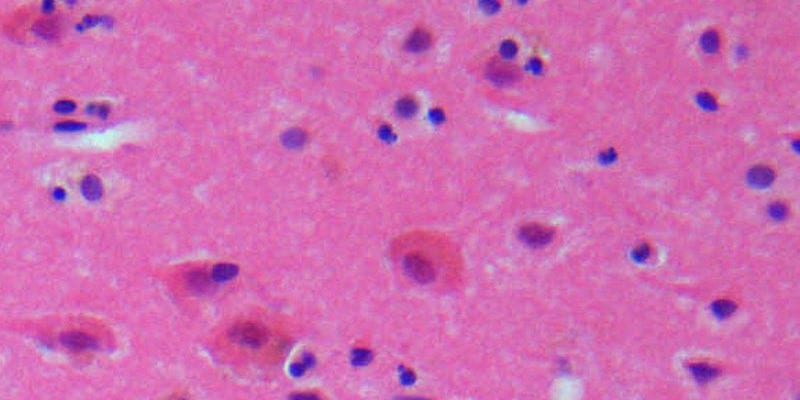
Image: CC/Wiki

©2015 2 Minute Medicine, Inc. All rights reserved. No works may be reproduced without expressed written consent from 2 Minute Medicine, Inc. Inquire about licensing here. No article should be construed as medical advice and is not intended as such by the authors or by 2 Minute Medicine, Inc.

Tags: cognitive impairmentstroke
Previous Post

Brain lesions on MRI linked with subsequent increased stroke risk

Next Post

Cognitive behavioral therapy effective for insomnia with medical or psychiatric comorbidities

RelatedReports

Rivaroxaban likely reduces risk of recurrent stroke in specific subgroup of patients with embolic stroke of undetermined source
Weekly Rewinds

2 Minute Medicine Rewind November 3rd, 2025

January 13, 2026
Nearly Half of All Pediatric Buprenorphine Exposures Result in Hospitalization
Cardiology

Clopidogrel monotherapy is superior to aspirin for secondary prevention in coronary artery disease

October 30, 2025
Non-alcoholic fatty liver disease and risk of incident acute myocardial infarction and stroke: findings from matched cohort study of 18 million European adults
Career Development

DAWN Trial: Redefining the Treatment Window for Stroke Thrombectomy

October 3, 2025
#VisualAbstract: Alteplase Improves Outcomes in Acute Ischemic Stroke
StudyGraphics

#VisualAbstract: Alteplase Improves Outcomes in Acute Ischemic Stroke

August 22, 2025
Next Post
Cognitive behavioral therapy effective for insomnia with medical or psychiatric comorbidities

Cognitive behavioral therapy effective for insomnia with medical or psychiatric comorbidities

Screening mammography may result in overdiagnosis of breast cancer

Screening mammography may result in overdiagnosis of breast cancer

BRAF V600E mutations linked with increased mortality in thyroid cancer

Cystic fibrosis gene therapy associated with stabilization of lung function

2 Minute Medicine® is an award winning, physician-run, expert medical media company. Our content is curated, written and edited by practicing health professionals who have clinical and scientific expertise in their field of reporting. Our editorial management team is comprised of highly-trained MD physicians. Join numerous brands, companies, and hospitals who trust our licensed content.

Recent Reports

  • High-flow nasal oxygen therapy may not be superior to standard oxygen therapy after cardiac surgery
  • Segment 4b/5 resection offers no survival advantage over wedge resection in gallbladder cancer
  • Simvastatin (Zocor) in combination with paclitaxel (Taxol) may provide treatment benefit compared to paclitaxel alone for small cell lung cancer
License Content
Terms of Use | Disclaimer
Cookie Policy
Privacy Statement (EU)
Disclaimer

The Classics in Medicine Paperback Released!

Over the past 30 years, the transition from print to digital media has contributed to an exponential increase in medical literature. In response, 2 Minute Medicine presents 160+ authoritative, physician-written summaries of the most cited landmark trials in medicine.

amazon-logo_blackGet-it-on-iBooks-badge

Click anywhere to close this announcement

  • Specialties
    • All Specialties, All Recent Reports
    • Cardiology
    • Chronic Disease
    • Dermatology
    • Emergency
    • Endocrinology
    • Gastroenterology
    • Imaging and Intervention
    • Infectious Disease
    • Nephrology
    • Neurology
    • Obstetrics
    • Oncology
    • Ophthalmology
    • Pediatrics
    • Pharma
    • Preclinical
    • Psychiatry
    • Public Health
    • Pulmonology
    • Rheumatology
    • Surgery
  • Tools
    • EvidencePulse™
    • RVU Search
    • NPI Registry Lookup
  • Pharma
  • AI News
  • The Scan
  • Classics™
    • 2MM+ Online Access
    • Paperback and Ebook
  • Rewinds
  • Partners
    • License Content
    • Submit Press Release
    • Advertise with Us
  • Account
    • Subscribe
    • Sign-in
    • My account
No Result
View All Result

© 2026 2 Minute Medicine, Inc. - Physician-written medical news.