• About
  • Masthead
  • License Content
  • Advertise
  • Submit Press Release
  • RSS/Email List
  • 2MM Podcast
  • Write for us
  • Contact Us
2 Minute Medicine
No Result
View All Result

No products in the cart.

SUBSCRIBE
  • Specialties
    • All Specialties, All Recent Reports
    • Cardiology
    • Chronic Disease
    • Dermatology
    • Emergency
    • Endocrinology
    • Gastroenterology
    • Imaging and Intervention
    • Infectious Disease
    • Nephrology
    • Neurology
    • Obstetrics
    • Oncology
    • Ophthalmology
    • Pediatrics
    • Pharma
    • Preclinical
    • Psychiatry
    • Public Health
    • Pulmonology
    • Rheumatology
    • Surgery
  • AI EvidencePulse™
  • Pharma
  • AI News
  • The Scan+
  • Classics™+
    • 2MM+ Online Access
    • Paperback and Ebook
  • Rewinds
  • Podcasts
  • Partners
    • License Content
    • Submit Press Release
    • Advertise with Us
  • Account
    • Subscribe
    • Sign-in
    • My account
2 Minute Medicine
  • Specialties
    • All Specialties, All Recent Reports
    • Cardiology
    • Chronic Disease
    • Dermatology
    • Emergency
    • Endocrinology
    • Gastroenterology
    • Imaging and Intervention
    • Infectious Disease
    • Nephrology
    • Neurology
    • Obstetrics
    • Oncology
    • Ophthalmology
    • Pediatrics
    • Pharma
    • Preclinical
    • Psychiatry
    • Public Health
    • Pulmonology
    • Rheumatology
    • Surgery
  • AI EvidencePulse™
  • Pharma
  • AI News
  • The Scan+
  • Classics™+
    • 2MM+ Online Access
    • Paperback and Ebook
  • Rewinds
  • Podcasts
  • Partners
    • License Content
    • Submit Press Release
    • Advertise with Us
  • Account
    • Subscribe
    • Sign-in
    • My account
SUBSCRIBE
2 Minute Medicine
Subscribe
Home All Specialties Cardiology

The EXTEND trial: neurological deficits decreased with thrombolysis up to 9 hours after stroke onset
byDayton McMillan
May 13, 2019
in Cardiology, Emergency, Neurology, Public Health
Reading Time: 3 mins read
0
Share on FacebookShare on Twitter

1. Patients presenting between 4.5 and 9 hours after stroke onset with viable brain tissue who received thrombolytic therapy had better neurological outcomes compared to those receiving placebo.

2. Symptomatic intracranial hemorrhage occurred in a higher number of patients in the thrombolysis group compared to placebo group.

Evidence Rating Level: 1 (Excellent)      

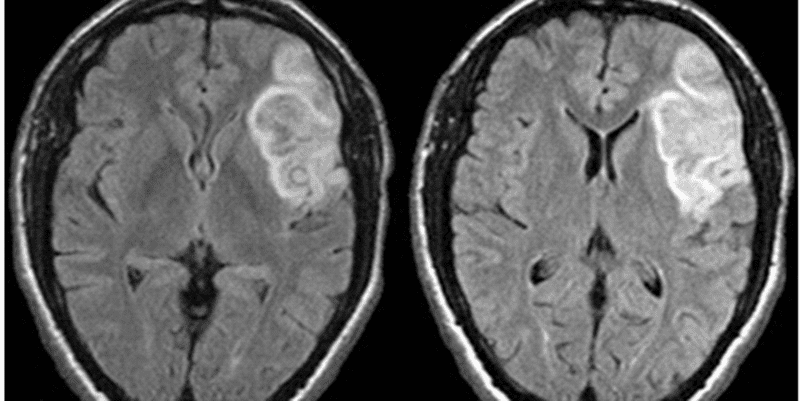
Study Rundown: Guidelines for thrombolytic therapy after ischemic stroke recommend thrombolytic use within 4.5 hours of stroke onset. Imaging with CT and MRI methods are now able to determine whether brain tissue is viable after stroke, giving rise to the possibility of determining if patients should receive thrombolytic therapy based on tissue viability in addition to time since stroke. The EXTEND trial is a phase 3 randomized controlled trial evaluating functional outcomes of patients receiving alteplase or placebo between 4.5 and 9 hours from stroke onset. At 90 days since treatment, patients who received alteplase had better neurological outcomes compared to those treated with placebo. A higher number of patients receiving alteplase experienced symptomatic intracranial hemorrhage than in the placebo group.

This study provides strong evidence for considering information about tissue viability from imaging in deciding whether to administer thrombolytic therapy for patients with delayed hospital presentation after stroke. The study’s strengths are its randomized controlled design and use of either CT or MRI for tissue viability determination. The study was limited by the smaller than planned number of patients recruited for the trial.

Click to read the study in NEJM

RELATED REPORTS

2 Minute Medicine Rewind November 3rd, 2025

Clopidogrel monotherapy is superior to aspirin for secondary prevention in coronary artery disease

DAWN Trial: Redefining the Treatment Window for Stroke Thrombectomy

Click to read an accompanying editorial in NEJM

Relevant Reading: Treatment and outcome of hemorrhagic transformation after intravenous alteplase in acute ischemic stroke: a scientific statement for healthcare professionals from the American Heart Association/American Stroke Association

In-Depth [randomized controlled trial]: This phase 3, multicenter, placebo-controlled, randomized controlled trial enrolled patients between 2010 and 2018. Eligible patients presented with stroke symptoms between 4.5 and 9 hours after onset, had good functional status prior to their stroke occurrence, had a stroke severity score of between 4 and 26 on the National Institutes of Health Stroke Scale (NIHSS), and had salvageable brain tissue as determined via CT or MRI. Viable brain tissue had greater than 30% of normal blood flow in the affected region. Patients were randomized to receive either alteplase (n=113) or placebo (n=112). The primary outcome of a score of 0 or 1 on the modified Rankin scale for neurological deficit at 90 days post-intervention was achieved in 35.4% of the alteplase group and 29.5% of the placebo group (adjusted risk ratio, 1.44; 95% confidence interval [CI], 1.01 to 2.06; P = 0.04). A modified Rankin score or 0 to 2, indicating functional independence, occurred in 49.6% and 42.9% of the alteplase and placebo group patients, respectively (adjusted risk ratio, 1.36; 95% CI, 1.06 to 1.76). At 24 hours, reperfusion returned to 90% of normal in 50.0% and 28.4% of patients in the alteplase and placebo groups, respectively (adjusted risk ratio, 1.73; 95% CI, 1.22 to 2.46). There was no significant difference in deaths at 90 days between groups. Symptomatic intracranial hemorrhage occurred in 6.2% and 0.9% of the patients in the alteplase and placebo groups, respectively (adjusted risk ratio, 7.22; 95% CI, 0.97 to 53.54; P=0.053).

Image: PD

©2019 2 Minute Medicine, Inc. All rights reserved. No works may be reproduced without expressed written consent from 2 Minute Medicine, Inc. Inquire about licensing here. No article should be construed as medical advice and is not intended as such by the authors or by 2 Minute Medicine, Inc
Tags: altepaseischemic strokereperfusionstrokethrombolysis
Previous Post

Campaign for restrictive marriage laws associated with increased homophobic bullying

Next Post

2 Minute Medicine Rewind May 13, 2019

RelatedReports

Rivaroxaban likely reduces risk of recurrent stroke in specific subgroup of patients with embolic stroke of undetermined source
Weekly Rewinds

2 Minute Medicine Rewind November 3rd, 2025

November 3, 2025
Nearly Half of All Pediatric Buprenorphine Exposures Result in Hospitalization
Cardiology

Clopidogrel monotherapy is superior to aspirin for secondary prevention in coronary artery disease

October 30, 2025
Non-alcoholic fatty liver disease and risk of incident acute myocardial infarction and stroke: findings from matched cohort study of 18 million European adults
Career Development

DAWN Trial: Redefining the Treatment Window for Stroke Thrombectomy

October 3, 2025
Non-alcoholic fatty liver disease and risk of incident acute myocardial infarction and stroke: findings from matched cohort study of 18 million European adults
Neurology

​​Perinatal Arterial Ischemic Stroke in Monochorionic Twins: A Retrospective Observational Single-Center Cohort Study

September 16, 2025
Next Post
Type 2 diabetes associated with reduction in disability-free life years

2 Minute Medicine Rewind May 13, 2019

CPAP may not decrease cardiovascular events in sleep apnea

Unrecognized obstructive sleep apnea increases risk of postoperative cardiovascular events

Quick Take: Gentamicin compared with ceftriaxone for the treatment of gonorrhoea (G-ToG)

Quick Take: Gentamicin compared with ceftriaxone for the treatment of gonorrhoea (G-ToG)

2 Minute Medicine® is an award winning, physician-run, expert medical media company. Our content is curated, written and edited by practicing health professionals who have clinical and scientific expertise in their field of reporting. Our editorial management team is comprised of highly-trained MD physicians. Join numerous brands, companies, and hospitals who trust our licensed content.

Recent Reports

  • Hysterectomy Status and Outcomes in Patients With Grade 1, Stage IA Endometrioid Adenocarcinoma 
  • Risk of cardiovascular mortality in patients with gastric cancer
  • Diphenhydramine, Sodium Bicarbonate, or Combination for Acute Peripheral Vertigo
License Content
Terms of Use | Disclaimer
Cookie Policy
Privacy Statement (EU)
Disclaimer

© 2025 2 Minute Medicine, Inc. - Physician-written medical news.

  • Specialties
    • All Specialties, All Recent Reports
    • Cardiology
    • Chronic Disease
    • Dermatology
    • Emergency
    • Endocrinology
    • Gastroenterology
    • Imaging and Intervention
    • Infectious Disease
    • Nephrology
    • Neurology
    • Obstetrics
    • Oncology
    • Ophthalmology
    • Pediatrics
    • Pharma
    • Preclinical
    • Psychiatry
    • Public Health
    • Pulmonology
    • Rheumatology
    • Surgery
  • AI EvidencePulse™
  • Pharma
  • AI News
  • The Scan
  • Classics™
    • 2MM+ Online Access
    • Paperback and Ebook
  • Rewinds
  • Podcasts
  • Partners
    • License Content
    • Submit Press Release
    • Advertise with Us
  • Account
    • Subscribe
    • Sign-in
    • My account
No Result
View All Result

© 2025 2 Minute Medicine, Inc. - Physician-written medical news.