• About
  • Masthead
  • License Content
  • Advertise
  • Submit Press Release
  • RSS/Email List
  • 2MM Podcast
  • Write for us
  • Contact Us
2 Minute Medicine
No Result
View All Result

No products in the cart.

Sign in
SUBSCRIBE
  • About
  • Specialties
    • All Specialties, All Recent Reports
    • Cardiology
    • Chronic Disease
    • Dermatology
    • Emergency
    • Endocrinology
    • Gastroenterology
    • Imaging and Intervention
    • Infectious Disease
    • Nephrology
    • Neurology
    • Obstetrics
    • Oncology
    • Ophthalmology
    • Pediatrics
    • Pharma
    • Preclinical
    • Psychiatry
    • Public Health
    • Pulmonology
    • Rheumatology
    • Surgery
  • Tools+
    • EvidencePulse™
    • HypeCheck™
    • NPI Registry Lookup
    • RVU Search
  • Pharma
  • AI Roundup
  • The Scan+
  • Classics™+
    • 2MM+ Online Access
    • Paperback and Ebook
  • Rewinds
  • Partners
    • License Content
    • Advertise with Us
2 Minute Medicine
  • About
  • Specialties
    • All Specialties, All Recent Reports
    • Cardiology
    • Chronic Disease
    • Dermatology
    • Emergency
    • Endocrinology
    • Gastroenterology
    • Imaging and Intervention
    • Infectious Disease
    • Nephrology
    • Neurology
    • Obstetrics
    • Oncology
    • Ophthalmology
    • Pediatrics
    • Pharma
    • Preclinical
    • Psychiatry
    • Public Health
    • Pulmonology
    • Rheumatology
    • Surgery
  • Tools+
    • EvidencePulse™
    • HypeCheck™
    • NPI Registry Lookup
    • RVU Search
  • Pharma
  • AI Roundup
  • The Scan+
  • Classics™+
    • 2MM+ Online Access
    • Paperback and Ebook
  • Rewinds
  • Partners
    • License Content
    • Advertise with Us
Sign in
SUBSCRIBE
2 Minute Medicine
Sign in
Subscribe
EvidencePulse™ by 2 Minute Medicine 2026 evidence scan 3 reports You asked top stroke trials 2026 Synthesizing medical evidence... Top 2026 stroke trial results: OCEANIC — ischemic stroke: 6.2% vs 8.4% OPTION* — mRS 0–1: 43.6% vs 34.2% ORIENTAL* — mRS 0–2: 58.6% vs 46.6% *Higher sICH in intervention arms Participants randomizedN OCEANIC 12,327 OPTION 570 ORIENTAL 564 Ask about guidelines or landmark trials... ↑ Try EvidencePulse™ Ask the evidence.
Get the signal.
Try it now → Physician-trained medical AI by 2 Minute Medicine
Home All Specialties Cardiology

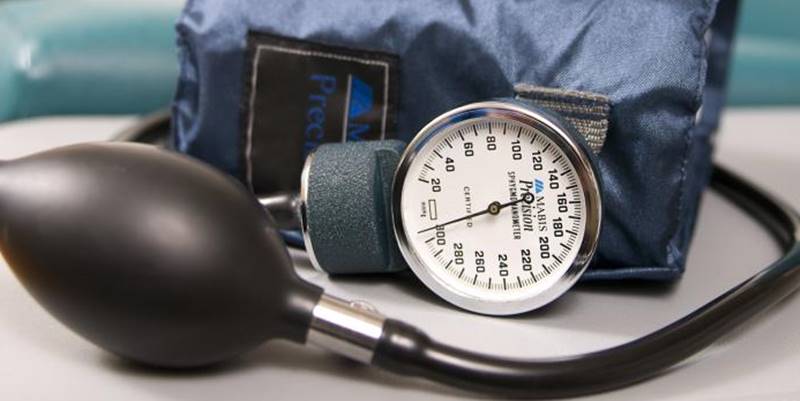
Traffic-related air pollution is associated with increased blood pressure
byJunghoon KoandKiera Liblik
December 14, 2023
in Cardiology, Chronic Disease, Public Health
Reading Time: 2 mins read
UTI associated with increased risk of preeclampsia
Share on FacebookShare on TwitterShare on LinkedIn

1. In this randomized crossover trial, mean systolic and diastolic blood pressures were higher for unfiltered drives at one hour and 24 hours after drive initiation, respectively. 

2. Adjusted mean central retinal arteriolar equivalents (CRAE) were unchanged between filtered and unfiltered days.

Evidence Rating Level: 1 (Excellent)

Study Rundown: Traffic-related air pollution (TRAP) is an air pollution mixture produced by vehicle exhaust as well as break and tire wear. It consists of ultrafine particles including black carbon, nitrogen oxides, carbon monoxide, carbon dioxide, and particulate matter less than 2.5 µm in diameter (PM2.5). Increased exposure to air pollution has been associated with cardiovascular disease, which is thought to be mediated through inflammatory pathways and autonomic dysregulation. Previous studies have suggested atherosclerotic changes in response to controlled pollution exposure, including blood pressure changes up to 24 hours following exposure. This trial aimed to investigate the effects of TRAP on blood pressure and vascular changes using in-vehicle scripted commutes through rush-hour traffic in Seattle, Washington. The study demonstrated elevations in adjusted mean systolic and diastolic blood pressures for unfiltered drives at one hour and 24 hours after drive initiation, respectively. Adjusted mean CRAE values were unchanged between filtered and unfiltered drives. The results of this study were limited by a small sample size and the inability to control for seasonal changes in its drive sequences, impacting the efficacy of the filtration devices.

Click to read the study in AIM

In-Depth [randomized controlled trial]: This double-blinded, randomized crossover trial utilized in-vehicle scripted commutes and particle filtration to investigate the effects of TRAP on blood pressure and retinal vasculature. In total, 16 normotensive persons aged 22 to 45 were included in the study, although blood pressure endpoints were ultimately unavailable in three participants. Participants were randomly assigned to the order of exposure, which included two separate drives without filtration and one drive with filtration, for a total of three two-hour drives through rush-hour Seattle traffic. In the study, the participants exhibited a mean age of 29.7 years with pre-drive systolic and diastolic blood pressures of 122.7 mmHg and 70.8 mmHg, respectively. Filtration reduced particle count by 86% but was generally ineffective for gaseous particles. At one hour after drive initiation, the adjusted mean systolic pressure was 4.5 mmHg higher (95% Confidence Interval [CI], -1.2 to 10.2 mmHg) for unfiltered drives versus filtered drives and the mean diastolic pressure was 4.7 mmHg higher (95% CI, 0.9 to 8.4 mmHg). At 24 hours following drive initiation, the systolic pressure was 1.1 mmHg higher (CI, -4.6 to 6.8 mmHg) and the diastolic pressure was 3.8 mmHg higher (CI, 0.02 to 7.5 mmHg) for unfiltered drives. These temporal changes in blood pressure were consistent with findings in previous studies. Moreover, the CRAE was 2.7 µm wider for unfiltered drives (CI, -1.5 to 6.8 µm). In summary, this study demonstrated net increases in blood pressure one hour and 24 hours after drive initiation in the context of TRAP exposure.

RELATED REPORTS

Chronic exposure to particulate matter is associated with increased cardiovascular risk

The mortality in-hospital for patients undergoing elective catheter ablation for atrial fibrillation is low

Image: PD

©2023 2 Minute Medicine, Inc. All rights reserved. No works may be reproduced without expressed written consent from 2 Minute Medicine, Inc. Inquire about licensing here. No article should be construed as medical advice and is not intended as such by the authors or by 2 Minute Medicine, Inc.

Tags: cardiologycentral retinal arteriolar equivalentschronic diseaseincreased blood pressurepollutionpublic healthTraffic-related air pollution
Previous Post

Wellness Check: Exercise

Next Post

#VisualAbstract: Tiragolumab With Atezolizumab Plus Chemotherapy in Untreated Extensive-Stage SCLC

RelatedReports

A senior woman looks thoughtfully at a balance scale with a stethoscope and a heart illustration, symbolizing the assessment of cardiovascular risk and treatment decisions.
Cardiology

Chronic exposure to particulate matter is associated with increased cardiovascular risk

September 10, 2026
Rivaroxaban likely reduces risk of recurrent stroke in specific subgroup of patients with embolic stroke of undetermined source
Cardiology

The mortality in-hospital for patients undergoing elective catheter ablation for atrial fibrillation is low

September 4, 2026
“Housing First” linked to housing stability for homeless youth with mental illness
Public Health

Mortality in the post-housing period is high among homeless people in Ottawa, Canada

August 31, 2026
Risk of autism in offspring linked to maternal pregestational diabetes and severe obesity
Obstetrics

A landmark court ruling was associated with increased travel across state borders for abortion care

August 28, 2026
Next Post
#VisualAbstract: Tiragolumab With Atezolizumab Plus Chemotherapy in Untreated Extensive-Stage SCLC

#VisualAbstract: Tiragolumab With Atezolizumab Plus Chemotherapy in Untreated Extensive-Stage SCLC

Lirentelimab may be effective for treatment of eosinophilic gastrointestinal disease

Current expert consensus for the treatment of adult patients with drug reaction with eosinophilia and systemic symptoms

#VisualAbstract: Ibrutinib-Venetoclax Improves Progression-Free Survival in Chronic Lymphocytic Leukemia

#VisualAbstract: Ibrutinib-Venetoclax Improves Progression-Free Survival in Chronic Lymphocytic Leukemia

EvidencePulse™ by 2 Minute Medicine 2026 evidence scan 3 reports You asked top stroke trials 2026 Synthesizing medical evidence... Top 2026 stroke trial results: OCEANIC — ischemic stroke: 6.2% vs 8.4% OPTION* — mRS 0–1: 43.6% vs 34.2% ORIENTAL* — mRS 0–2: 58.6% vs 46.6% *Higher sICH in intervention arms Participants randomizedN OCEANIC 12,327 OPTION 570 ORIENTAL 564 Ask about guidelines or landmark trials... ↑ Try EvidencePulse™ Get the signal. Try it now → Physician-trained medical AI by 2 Minute Medicine

2MM+ All Access

Full details →
$4.99 /month

3-day free trial · cancel anytime

  • ✓100+ physician-written reports
  • ✓EvidencePulse™ + HypeCheck™
  • ✓Ad-free reading + newsletters
Start 3-day free trial

Then $4.99/month. Manage renewal in your account.

NPI Lookup · Free

Look up any US clinician

Search by name or NPI number, live from the CMS NPI Registry.

  • OIG exclusion check
  • Licenses and specialties
  • No account needed
Open NPI Lookup →

2 Minute Medicine® is an award winning, physician-run, expert medical media company. Our content is curated, written and edited by practicing health professionals who have clinical and scientific expertise in their field of reporting. Our editorial management team is comprised of highly-trained MD physicians. Join numerous brands, companies, and hospitals who trust our licensed content.

Recent Reports

  • Artificial intelligence (AI)-powered mental health app demonstrated improved social well-being among users
  • Children with intellectual and developmental disabilities have increased risks of depression and anxiety
  • Gabapentin (Neurontin) prescription for chronic low back pain in adults is associated with a higher risk of dementia
License Content
Terms of Use | Disclaimer
Cookie Policy
Cleantalk Pixel
2MM+ All Access Full details →

The medical literature, distilled daily.

Monthly plan selected: $4.99 /month.

$4.99/month

3-day free trial · cancel anytime

Start 3-day free trial

Then $4.99/month. Manage renewal in your account.

Yearly plan selected: $49.90 /year.

$49.90/year

2 months free

Start 3-day free trial

Then $49.90/year.

Membership benefits

  • ✓100+ physician-written reports
  • ✓AI EvidencePulse™ + HypeCheck™
  • ✓Ad-free reading + newsletters
  • ✓NPI watchlist + bulk NPI verification

Already a member? Sign in

  • About
  • Specialties
    • All Specialties, All Recent Reports
    • Cardiology
    • Chronic Disease
    • Dermatology
    • Emergency
    • Endocrinology
    • Gastroenterology
    • Imaging and Intervention
    • Infectious Disease
    • Nephrology
    • Neurology
    • Obstetrics
    • Oncology
    • Ophthalmology
    • Pediatrics
    • Pharma
    • Preclinical
    • Psychiatry
    • Public Health
    • Pulmonology
    • Rheumatology
    • Surgery
  • Tools
    • EvidencePulse™
    • HypeCheck™
    • NPI Registry Lookup
    • RVU Search
  • Pharma
  • AI Roundup
  • The Scan
  • Classics™
    • 2MM+ Online Access
    • Paperback and Ebook
  • Rewinds
  • Partners
    • License Content
    • Advertise with Us
No Result
View All Result

© 2026 2 Minute Medicine, Inc. - Physician-written medical news.