
2 Minute Medicine Rewind September 8, 2025
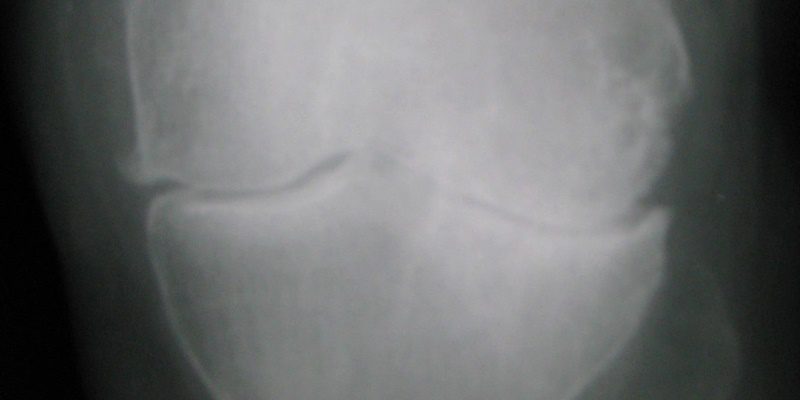
1. After six months, valgus brace users reported a statistically significant and clinically meaningful reduction in knee pain after walking and required fewer pain medications
Evidence Rating Level: 1 (Excellent)
This mixed-method randomized controlled trial evaluated the effectiveness and user experiences of a valgus brace in patients with medial compartment knee osteoarthritis. Fifty-five participants aged 40–75 with radiographically confirmed OA were randomized to either receive regular care plus a custom-fitted valgus brace or to a waitlist control for six months. The primary outcome was knee pain intensity measured on a 10-cm visual analogue scale (VAS) at six months, with secondary outcomes including walking distance, health status (SF-12), function (WOMAC), and satisfaction. Quantitative analysis showed no significant differences in pain at rest, physical function, or health status, but brace users experienced a clinically meaningful reduction in pain intensity after a six-minute walk test (mean difference 2.13 cm on VAS, 95% CI −3.57 to −0.69) and required fewer analgesics. Qualitative interviews with a subset of brace users revealed mixed but often positive perceptions, with improvements reported in pain, stability, mobility, and daily activities, though some users described discomfort, skin irritation, or limited benefit, particularly among those with more advanced OA. Overall, while underpowered, the study supports that valgus braces can reduce walking-related knee pain and enhance user-perceived function, though effectiveness may vary with disease severity which underscores the need for larger studies with longer follow-up periods.
Effects of s-ketamine and midazolam on respiratory variability: A randomized controlled pilot trial
1. Midazolam significantly reduces respiratory variability, leading to a more uniform and less adaptable breathing pattern, which may increase risk in patients with compromised respiratory function.
2. S-ketamine largely preserves respiratory variability, suggesting it may be a safer sedative option for patients who require maintenance of spontaneous breathing.
Evidence Rating Level: 1 (Excellent)
This randomized controlled pilot trial investigated the effects of s-ketamine and midazolam on respiratory variability, an indicator of adaptability of the respiratory system, in women with fibromyalgia. Twenty-eight participants were randomized to receive intravenous infusions of s-ketamine, midazolam, or saline in a blinded, crossover design across three visits. Respiratory parameters, including mean respiratory rate, variability of respiratory rate, and variability of tidal volume, were continuously measured non-invasively using a bio-impedance method. Data from 57 experimental sessions were analyzed with linear mixed models. Midazolam significantly reduced both respiratory rate variability by 37% and tidal volume variability by 51%, without affecting mean respiratory rate. S-ketamine produced a smaller reduction in tidal volume variability (27%) but did not affect respiratory rate variability. Post hoc analysis confirmed significant differences between the two drugs across all parameters. The findings suggest that midazolam induces a more regular and less adaptable breathing pattern, whereas s-ketamine largely preserves respiratory variability. These results have clinical implications in anesthesiology and critical care, as preserved variability may be advantageous for patients requiring sedation while maintaining spontaneous breathing. Further studies in larger and more diverse patient populations are needed to determine the clinical significance of these differential effects.
Cardiopulmonary Point-of-Care Ultrasonography for Hospitalist Management of Undifferentiated Dyspnea
1. Implementing a structured POCUS protocol for inpatients with undifferentiated dyspnea was associated with a 30% reduction in length of stay
Evidence Rating Level: 2 (Good)
In patients hospitalized with undifferentiated dyspnea, timely differentiation between cardiac and pulmonary etiologies remains challenging. This quality improvement study employed a stepped-wedge cluster randomized design to evaluate a collaborative model integrating cardiopulmonary point-of-care ultrasonography (POCUS)—performed by hospitalists with sonographer support and remote cardiologist interpretation—into the assessment of 208 adults. The intervention was associated with a 30.3% reduction in length of stay (mean 8.3 vs. 11.9 days) and significant cost savings of $751,537, equating to $3,055 saved per bed-day avoided. However, despite structured training, only 20% of hospitalists performed POCUS independently, citing barriers such as insufficient training and time constraints. These findings underscore the potential of POCUS to enhance hospital efficiency and reduce costs, but also highlight the need for improved educational strategies and incentives to promote broader clinician adoption and sustainable implementation.
1. Measurement-based care (MBC) significantly accelerates recovery from major depressive disorder, leading patients to achieve response and remission in half the time compared to standard clinical judgment alone
2. MBC facilitates more assertive and effective dosing without increasing side effects
Evidence Rating Level: 1 (Excellent)
In low- and middle-income countries (LMICs) like Pakistan, where access to specialized psychiatric care is limited, effective strategies for managing major depressive disorder (MDD) are critically needed. This multicenter, randomized clinical trial evaluated whether measurement-based care (MBC)—using structured self-reports (QIDS-SR16 and FIBSER) to guide antidepressant dosing—could accelerate symptom resolution compared to standard care. Among 154 adults with nonpsychotic MDD, those receiving MBC achieved both response (≥50% reduction in HAM-D score) and remission (HAM-D ≤7) in half the time (median 2 weeks and 4 weeks, respectively) of the standard care group (4 weeks and 8 weeks). While final response and remission rates at 24 weeks were similarly high in both groups, MBC facilitated a more rapid initial improvement with higher antidepressant doses, without increasing adverse effects or discontinuation. This demonstrates that MBC is a feasible and effective implementation strategy to significantly accelerate recovery from MDD in resource-limited settings, though its long-term advantage requires further study.
1. 30- and 60-minute C-peptide levels during an OGTT at 16–18 weeks gestation were significantly elevated in women who later developed GDM, suggesting it may be a useful early biomarker for risk stratification.
Evidence Rating Level: 2 (Good)
This prospective longitudinal cohort study investigated whether pancreatic beta-cell secretory products (proinsulin, insulin, C-peptide) measured at 16–18 weeks gestation could serve as early biomarkers to diagnose and risk-stratify gestational diabetes mellitus (GDM) in high-risk pregnant women. Eighty-three women with at least one GDM risk factor underwent a 75g OGTT at 16–18 and 24–28 weeks; 66 were analyzed after exclusions. The study, limited by a small sample size due to the COVID-19 pandemic, found that early concentrations of total proinsulin, intact proinsulin, and insulin were not significantly different between women who remained normoglycemic and those who progressed to GDM. However, C-peptide levels at 30 and 60 minutes post-glucose load showed significant discriminatory power (AUC 0.661, p=0.041 and AUC 0.744, p=0.003, respectively). The authors conclude that while proinsulin was not a useful early marker, C-peptide shows promise for early GDM identification in high-risk women, though these findings require validation in a larger cohort.
Image: PD
©2025 2 Minute Medicine, Inc. All rights reserved. No works may be reproduced without expressed written consent from 2 Minute Medicine, Inc. Inquire about licensing here. No article should be construed as medical advice and is not intended as such by the authors or by 2 Minute Medicine, Inc.