• About
  • Masthead
  • License Content
  • Advertise
  • RSS/Email List
  • 2MM Podcast
  • Write for us
  • Contact Us
2 Minute Medicine
No Result
View All Result

No products in the cart.

Sign in
SUBSCRIBE
  • About
  • Specialties
    • All Specialties, All Recent Reports
    • Cardiology
    • Chronic Disease
    • Dermatology
    • Emergency
    • Endocrinology
    • Gastroenterology
    • Imaging and Intervention
    • Infectious Disease
    • Nephrology
    • Neurology
    • Obstetrics
    • Oncology
    • Ophthalmology
    • Pediatrics
    • Pharma
    • Preclinical
    • Psychiatry
    • Public Health
    • Pulmonology
    • Rheumatology
    • Surgery
  • Tools+
    • EvidencePulse™
    • HypeCheck™
    • NPI Registry Lookup
    • RVU Search
  • Pharma
  • AI Roundup
  • The Scan+
  • Classics™+
    • 2MM+ Online Access
    • Paperback and Ebook
  • Rewinds
  • Partners
    • License Content
    • Advertise with Us
2 Minute Medicine
  • About
  • Specialties
    • All Specialties, All Recent Reports
    • Cardiology
    • Chronic Disease
    • Dermatology
    • Emergency
    • Endocrinology
    • Gastroenterology
    • Imaging and Intervention
    • Infectious Disease
    • Nephrology
    • Neurology
    • Obstetrics
    • Oncology
    • Ophthalmology
    • Pediatrics
    • Pharma
    • Preclinical
    • Psychiatry
    • Public Health
    • Pulmonology
    • Rheumatology
    • Surgery
  • Tools+
    • EvidencePulse™
    • HypeCheck™
    • NPI Registry Lookup
    • RVU Search
  • Pharma
  • AI Roundup
  • The Scan+
  • Classics™+
    • 2MM+ Online Access
    • Paperback and Ebook
  • Rewinds
  • Partners
    • License Content
    • Advertise with Us
Sign in
SUBSCRIBE
2 Minute Medicine
Sign in
Subscribe
EvidencePulse™ by 2 Minute Medicine 2026 evidence scan 3 reports You asked top stroke trials 2026 Synthesizing medical evidence... Top 2026 stroke trial results: OCEANIC — ischemic stroke: 6.2% vs 8.4% OPTION* — mRS 0–1: 43.6% vs 34.2% ORIENTAL* — mRS 0–2: 58.6% vs 46.6% *Higher sICH in intervention arms Participants randomizedN OCEANIC 12,327 OPTION 570 ORIENTAL 564 Ask about guidelines or landmark trials... ↑ Try EvidencePulse™ Ask the evidence.
Get the signal.
Try it now → Physician-trained medical AI by 2 Minute Medicine
Home All Specialties Infectious Disease

Emerging highly pathogenic avian influenza A(H5N1) infections in humans

byNhat Hung (Benjamin) LamandKiera Liblik
March 12, 2025
in Infectious Disease, Public Health, Weekly Rewinds, Wellness
Reading Time: 3 mins read
Lower vulvar cancer-related mortality in African Americans
Share on FacebookShare on TwitterShare on LinkedIn

1. In this case series, of the reported 46 case-patients, 45 cases were due to exposures to infected poultry or dairy cows and were mild in severity, with no evidence of human-to-human transmission.

2. Personal protective equipment (PPE) alone may be suboptimal in reducing exposure risk in occupationally exposed individuals.

Evidence Rating Level: 4 (Below Average)

Study Rundown: Highly pathogenic avian influenza A(H5N1) has caused human outbreaks since 1997, with illness ranging from severe to asymptomatic. Since March 2024, A(H5N1) infections have resurged in U.S. dairy cows and poultry, with sporadic human transmissions. Surveillance is ongoing due to the risk of more widespread infections. This report summarizes 46 laboratory-confirmed U.S. cases. Exposure sources included infected poultry (20 cases), dairy cows (25), and one case with no known exposure. That patient, hospitalized for non-respiratory symptoms, was identified through routine screening—the remaining 45 experienced mild illness, with no hospitalizations or deaths. The most common symptoms were conjunctivitis, fever, and respiratory issues. Most patients received early oseltamivir treatment. No additional cases occurred among 97 household contacts, suggesting no human-to-human transmission. PPE use may have been suboptimal in occupational exposures. Study limitations included inconsistent on-farm monitoring, potential ascertainment bias, incomplete data, and a short study timeframe. Despite this, the findings offer an overview of A(H5N1) cases in the U.S., highlighting key areas for future surveillance and prevention efforts.

Click here to read the study in NEJM

Relevant Reading: Critical Illness in an Adolescent with Influenza A(H5N1) Virus Infection

RELATED REPORTS

Chronic exposure to particulate matter is associated with increased cardiovascular risk

Lower levels of education and place of birth were associated with non-admission to the intensive care unit in Sweden during COVID-19 pandemic

In-Depth [case series]: This study was a descriptive analysis of human cases of highly pathogenic avian influenza A(H5N1) identified in the United States from March to October 2024. Occupationally exposed individuals were monitored for 10 days after last exposure to A(H5N1) infected or presumably infected animals and specimens were collected from symptomatic individuals. The final study population was derived from 46 adult patients with laboratory-confirmed A(H5N1) virus infections. In total, 45 of the 46 patients had exposure to infected animals, primarily poultry (20 patients) and dairy cows (25 patients). One patient had no identifiable exposure and the A(H5N1) infection was detected through routine surveillance during hospitalization with non-respiratory symptoms. Among the 45 patients with animal exposures, the median age was 34 years and 76% reported no concurrent medical conditions. The most common symptoms included conjunctivitis (93%), fever (49%), and respiratory symptoms (36%). Conjunctivitis was the only symptom in 44% of dairy workers and 20% of poultry workers. All cases were mild, with no hospitalizations or deaths reported. It was noted that 87% of patients received oseltamivir treatment. Gloves (71%), eye protection (60%), and face masks (47%) were the most commonly used PPE types, although concurrent use of both eye protection and respirators or face masks was only reported in 36% of individuals. Poultry workers reported higher PPE usage than dairy workers. The study provided an initial description of A(H5N1) infections in humans, which primarily caused mild illness among adults with occupational exposure to infected animals. No evidence of human-to-human transmission was identified. The findings underscored the need for improved PPE use among workers as well as ongoing surveillance and prompt antiviral treatment to mitigate the risk of widespread A(H5N1) infections.

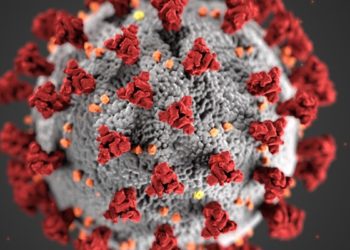
Image: PD

©2025 2 Minute Medicine, Inc. All rights reserved. No works may be reproduced without expressed written consent from 2 Minute Medicine, Inc. Inquire about licensing here. No article should be construed as medical advice and is not intended as such by the authors or by 2 Minute Medicine, Inc.

Tags: Avian Influenza A(H5N1)h5n1Highly pathogenic avian influenza Ainfectious diseasepublic health
Previous Post

Infigratinib shows promising efficacy and tolerability in pediatric achondroplasia

Next Post

Adjunctive middle meningeal artery embolization superior to standard care in symptomatic chronic subdural hematomas

RelatedReports

A senior woman looks thoughtfully at a balance scale with a stethoscope and a heart illustration, symbolizing the assessment of cardiovascular risk and treatment decisions.
Cardiology

Chronic exposure to particulate matter is associated with increased cardiovascular risk

September 10, 2026
Novel coronavirus identified from patients with pneumonia in Wuhan, China
Emergency

Lower levels of education and place of birth were associated with non-admission to the intensive care unit in Sweden during COVID-19 pandemic

September 1, 2026
“Housing First” linked to housing stability for homeless youth with mental illness
Public Health

Mortality in the post-housing period is high among homeless people in Ottawa, Canada

August 31, 2026
Risk of autism in offspring linked to maternal pregestational diabetes and severe obesity
Obstetrics

A landmark court ruling was associated with increased travel across state borders for abortion care

August 28, 2026
Next Post
Brain lesions on MRI linked with subsequent increased stroke risk

Adjunctive middle meningeal artery embolization superior to standard care in symptomatic chronic subdural hematomas

Tenofovir disoprovil fumarate HIV prophylaxis linked with minimal kidney impact

Recognition of kidney allograft microvascular inflammation refines risk stratification for allograft outcomes

Physician visual assessment of coronary stenosis severity overestimates quantitative coronary angiography

Coronary CT-angiography-guided management improves outcomes in patients with stable chest pain

EvidencePulse™ by 2 Minute Medicine 2026 evidence scan 3 reports You asked top stroke trials 2026 Synthesizing medical evidence... Top 2026 stroke trial results: OCEANIC — ischemic stroke: 6.2% vs 8.4% OPTION* — mRS 0–1: 43.6% vs 34.2% ORIENTAL* — mRS 0–2: 58.6% vs 46.6% *Higher sICH in intervention arms Participants randomizedN OCEANIC 12,327 OPTION 570 ORIENTAL 564 Ask about guidelines or landmark trials... ↑ Try EvidencePulse™ Get the signal. Try it now → Physician-trained medical AI by 2 Minute Medicine

2MM+ All Access

Full details →
$4.99 /month

3-day free trial · cancel anytime

  • ✓100+ physician-written reports
  • ✓EvidencePulse™ + HypeCheck™
  • ✓Ad-free reading + newsletters
Start 3-day free trial

Then $4.99/month. Manage renewal in your account.

NPI Lookup · Free

Look up any US clinician

Search by name or NPI number, live from the CMS NPI Registry.

  • OIG exclusion check
  • Licenses and specialties
  • No account needed
Open NPI Lookup →

2 Minute Medicine® is an award winning, physician-run, expert medical media company. Our content is curated, written and edited by practicing health professionals who have clinical and scientific expertise in their field of reporting. Our editorial management team is comprised of highly-trained MD physicians. Join numerous brands, companies, and hospitals who trust our licensed content.

Recent Reports

  • A reduced length protocol for peripheral magnetic stimulation may be as effective compared to standard length protocol for upper trapezius myofascial pain syndrome
  • Preoperative self-preparation for total knee arthroplasty is multifactorial and can be optimized by targeting external support and internal motivation
  • Artificial intelligence (AI)-powered mental health app demonstrated improved social well-being among users
License Content
Terms of Use | Disclaimer
Cookie Policy
2MM+ All Access Full details →

The medical literature, distilled daily.

Monthly plan selected: $4.99 /month.

$4.99/month

3-day free trial · cancel anytime

Start 3-day free trial

Then $4.99/month. Manage renewal in your account.

Yearly plan selected: $49.90 /year.

$49.90/year

2 months free

Start 3-day free trial

Then $49.90/year.

Membership benefits

  • ✓100+ physician-written reports
  • ✓AI EvidencePulse™ + HypeCheck™
  • ✓Limited-time Deep research trial
  • ✓Ad-free reading + newsletters
  • ✓NPI watchlist + bulk NPI verification

Already a member? Sign in

  • About
  • Specialties
    • All Specialties, All Recent Reports
    • Cardiology
    • Chronic Disease
    • Dermatology
    • Emergency
    • Endocrinology
    • Gastroenterology
    • Imaging and Intervention
    • Infectious Disease
    • Nephrology
    • Neurology
    • Obstetrics
    • Oncology
    • Ophthalmology
    • Pediatrics
    • Pharma
    • Preclinical
    • Psychiatry
    • Public Health
    • Pulmonology
    • Rheumatology
    • Surgery
  • Tools
    • EvidencePulse™
    • HypeCheck™
    • NPI Registry Lookup
    • RVU Search
  • Pharma
  • AI Roundup
  • The Scan
  • Classics™
    • 2MM+ Online Access
    • Paperback and Ebook
  • Rewinds
  • Partners
    • License Content
    • Advertise with Us
No Result
View All Result

© 2026 2 Minute Medicine, Inc. - Physician-written medical news.