• About
  • Masthead
  • License Content
  • Advertise
  • Submit Press Release
  • RSS/Email List
  • 2MM Podcast
  • Write for us
  • Contact Us
2 Minute Medicine
No Result
View All Result

No products in the cart.

SUBSCRIBE
  • About
  • Specialties
    • All Specialties, All Recent Reports
    • Cardiology
    • Chronic Disease
    • Dermatology
    • Emergency
    • Endocrinology
    • Gastroenterology
    • Imaging and Intervention
    • Infectious Disease
    • Nephrology
    • Neurology
    • Obstetrics
    • Oncology
    • Ophthalmology
    • Pediatrics
    • Pharma
    • Preclinical
    • Psychiatry
    • Public Health
    • Pulmonology
    • Rheumatology
    • Surgery
  • Tools+
    • EvidencePulse™
    • HypeCheck™
    • NPI Registry Lookup
    • RVU Search
  • Pharma
  • AI Roundup
  • The Scan+
  • Classics™+
    • 2MM+ Online Access
    • Paperback and Ebook
  • Rewinds
  • Partners
    • License Content
    • Submit Press Release
    • Advertise with Us
  • Account
    • Subscribe
    • My account
    • Cart
    • Sign-in
2 Minute Medicine
  • About
  • Specialties
    • All Specialties, All Recent Reports
    • Cardiology
    • Chronic Disease
    • Dermatology
    • Emergency
    • Endocrinology
    • Gastroenterology
    • Imaging and Intervention
    • Infectious Disease
    • Nephrology
    • Neurology
    • Obstetrics
    • Oncology
    • Ophthalmology
    • Pediatrics
    • Pharma
    • Preclinical
    • Psychiatry
    • Public Health
    • Pulmonology
    • Rheumatology
    • Surgery
  • Tools+
    • EvidencePulse™
    • HypeCheck™
    • NPI Registry Lookup
    • RVU Search
  • Pharma
  • AI Roundup
  • The Scan+
  • Classics™+
    • 2MM+ Online Access
    • Paperback and Ebook
  • Rewinds
  • Partners
    • License Content
    • Submit Press Release
    • Advertise with Us
  • Account
    • Subscribe
    • My account
    • Cart
    • Sign-in
SUBSCRIBE
2 Minute Medicine
Subscribe
EvidencePulse™ by 2 Minute Medicine 2026 evidence scan 3 reports You asked top stroke trials 2026 Synthesizing medical evidence... Top 2026 stroke trial results: OCEANIC — ischemic stroke: 6.2% vs 8.4% OPTION* — mRS 0–1: 43.6% vs 34.2% ORIENTAL* — mRS 0–2: 58.6% vs 46.6% *Higher sICH in intervention arms Participants randomizedN OCEANIC 12,327 OPTION 570 ORIENTAL 564 Ask about guidelines or landmark trials... ↑ Try EvidencePulse™ Ask the evidence.
Get the signal.
Try it now → Physician-trained medical AI by 2 Minute Medicine
Home All Specialties Cardiology

2 Minute Medicine Rewind September 28 – October 5, 2014

byAnnick Aubin-PouliotandDavid Ouyang
October 7, 2014
in Cardiology, Chronic Disease, Emergency, Obstetrics, Pediatrics, Public Health, Weekly Rewinds
Reading Time: 4 mins read
Share on FacebookShare on Twitter

In this section, we highlight the key high-impact studies, updates, and analyses published in medicine during the past week.

Effect of a Postdischarge Virtual Ward on Readmission or Death for High-Risk Patients

With the recent changes in reimbursement in America penalizing hospitals that have high readmission rates, there is now an increased emphasis on interventions that reduce the risk of readmission. The virtual ward, which includes an interprofessional team who meets daily in the goal of improving post-discharge health outcomes for patients with complex needs, has been pioneered in the United Kingdom as a method to decrease readmissions. In this Canadian randomized controlled trial, 1923 high-risk patients were randomized to usual care or to a virtual ward at the time of hospital discharge. Despite a rigorous support system, patients in the virtual ward group did not have a significantly different rate of hospital readmission or death within 30 days of discharge (21.2%) when compared to the group of patients receiving usual care (24.6%) (95% CI: −0.3% to 7.2%; P =  0.09). Rates of nursing home admission and emergency department visits were also not significantly different between the groups. The virtual hospital model was not shown to reduce hospital readmission and death in this study; however, ongoing research aiming to decrease hospital readmission and provide better non-hospital health care remains crucial.

Provision of No-Cost, Long-Acting Contraception and Teenage Pregnancy

In the United States, 3 in 10 teens become pregnant before they reach 20 years of age, the highest rate of any developed nation. To address this problem, President Obama created the Teen Pregnancy Prevention Initiative in 2010. Decreasing the cost of and increasing education of pregnancy prevention were at the root of this initiative. Long-acting, reversible contraceptive (LARC) methods, including intrauterine devices (IUDs) and implants, have been shown to have to reduce pregnancy among adolescents; however, the awareness of LARC methods for teenage pregnancy prevention remains limited. The Contraceptive CHOICE Project was a large cohort study of 1404 teenage girls between 2008 and 2013 designed to promote the use of LARC methods to reduce unintended pregnancy. After education on reversible contraception, 72% of teenagers chose a LARC method. The annual rates of pregnancy, birth, and abortion were 3.4% (95% CI: 2.6% to 4.4%), 1.9% (95% CI: 1.3% to 2.7%), and 1.0% (95% CI: 0.6% to 1.6%) in the CHOICE participants, compared to 15.9%, 9.4% and 4.2% amongst comparable sexually experienced U.S. teens in 2008, respectively. This study therefore shows that educating teenage girls about reversible contraception and providing them with free long-acting contraception decreases pregnancy rates in this this group.

Lower versus Higher Hemoglobin Threshold for Transfusion in Septic Shock

RELATED REPORTS

Use of semaglutide for weight control among women of reproductive age is more common in those using hormonal contraception

2 Minute Medicine Rewind July 6, 2026

Use of procalcitonin in neonatal late-onset sepsis may reduce the duration of antibiotic therapy without increase in mortality

The Surviving Sepsis Campaign recommends complex transfusion guidelines for patients with septic shock. This includes maintaining a hematocrit of more than 30% in the first 6 hours, followed by a transfusion threshold of hemoglobin (Hgb) less than 7g/dL in patients without heart disease. Given conflicting results in studies of transfusions in critically ill patients, the need for an higher initial transfusion threshold should be reevaluated. In this multicenter, randomized-controlled trial, 1005 ICU patients with septic shock and a Hgb concentration of 9g or less were randomized to a 7g/dL threshold (lower threshold) or a 9g/dL threshold (higher threshold). The 90-day mortality rate was similar for the lower threshold (43.0%) and higher threshold (45.0%) groups (RR: 0.94, 95% CI: 0.78 to 1.09; P = 0.44). Similarly, the number of ischemic events and severe adverse reactions were not significantly different between the two groups. Thus, given similar mortality rates in the two groups despite fewer transfusions in the lower threshold group, this study suggests no benefit in a higher initial transfusion threshold in septic shock patients.

Effect of Statin Use During Hospitalization for Intracerebral Hemorrhage on Mortality and Discharge Disposition

Shown to improve outcomes and to reduce the risk of a subsequent ischemic stroke by decreasing secondary brain injury, statins are commonly prescribed in patients with an ischemic stroke. Despite similar molecular mechanisms for secondary brain injury in hemorrhagic stroke, the data for statin-use in intracranial hemorrhage (ICH) has been conflicting. In this retrospective cohort study, data from 3481 hospitalized patients with ICH were reviewed. Patient who received statin as inpatients had a 30-day mortality rate of 18.4%, compared to 38.7% in those not treated with a statin (OR: 4.25,95% CI: 3.46-5.23; P <  0.001). Of the patients taking a statin as an outpatient prior to ICH, the 30-day mortality rate was 57.8% for those who discontinued statin use as an inpatient, compared to 18.9% for those who continued statin-use during hospitalization (OR: 0.16, 95% CI,:0.12-0.21; P  <  0.001). This study suggests that even after controlling for demographics, medical comorbidities, ICH severity, ICH complications, and DNR status, statin use improves outcomes in ICH.

Trial of the Route of Early Nutritional Support in Critically Ill Adults

Enteral feeding is the favored standard for nutritional support of critically ill patients, with a putative association with fewer infections and the belief that it is the most natural way to provide nutrition. However, enteral feeding is associated with gastrointestinal intolerance and underfeeding. Thus, given improvements in delivery, formulation, and monitoring of parenteral nutrition, it should be reevaluated as a possible route for early nutritional support. In this randomized-controlled trial, 2400 patients admitted to 33 English intensive care units and randomized being fed parenterally or enterally. Thirty-day mortality was 33.1% in the parenteral group, compared to 34.2% in the enteral group (RR: 0.97, 95% CI: 0.86 to 1.08; P = 0.57). The mean number of treated infectious complications per patient was also not significantly different in the parental and enteral groups (0.22 vs. 0.21; P = 0.72). The rates of hypoglycemia and vomiting, however, were significantly lower in the parenteral group (3.7% and 8.4%) than in the enteral group (6.2% and 16.2%) (P = 0.006 and P < 0.001). Thus, early nutritional support through the parenteral route, as it is typically administered, is neither more harmful nor more beneficial than enteral feeding, and is associated with lower rates of hypoglycemia and vomiting.

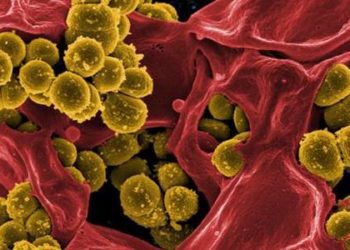
Image: PD

©2012-2014 2minutemedicine.com. All rights reserved. No works may be reproduced without written consent from 2minutemedicine.com. Disclaimer: We present factual information directly from peer reviewed medical journals. No post should be construed as medical advice and is not intended as such by the authors or by 2minutemedicine.com. PLEASE SEE A HEALTHCARE PROVIDER IN YOUR AREA IF YOU SEEK MEDICAL ADVICE OF ANY SORT. 

Tags: contraceptionpregnancysepsisstatins
Previous Post

Financial conflicts of interest bias recommendations for influenza meds

Next Post

Alcohol consumption linked to HPV prevalence in men

RelatedReports

Sleep duration inversely related to childhood type 2 diabetes risk makers
Endocrinology

Use of semaglutide for weight control among women of reproductive age is more common in those using hormonal contraception

July 30, 2026
Obstetric scoring systems overestimate cases of severe sepsis
All Specialties

2 Minute Medicine Rewind July 6, 2026

July 7, 2026
Obstetric scoring systems overestimate cases of severe sepsis
Emergency

Use of procalcitonin in neonatal late-onset sepsis may reduce the duration of antibiotic therapy without increase in mortality

May 28, 2026
Wide international variation in survival for periviable neonates
Weekly Rewinds

2 Minute Medicine Rewind May 25, 2026

May 25, 2026
Next Post
Reduced HPV vaccine doses may be adequate

Alcohol consumption linked to HPV prevalence in men

Equivalent efficacy but differing tolerability among HIV regimens

Higher blood pressure targets in sepsis did not reduce mortality

Antibiotic prescription patterns in China may contribute to resistance

EvidencePulse™ by 2 Minute Medicine 2026 evidence scan 3 reports You asked top stroke trials 2026 Synthesizing medical evidence... Top 2026 stroke trial results: OCEANIC — ischemic stroke: 6.2% vs 8.4% OPTION* — mRS 0–1: 43.6% vs 34.2% ORIENTAL* — mRS 0–2: 58.6% vs 46.6% *Higher sICH in intervention arms Participants randomizedN OCEANIC 12,327 OPTION 570 ORIENTAL 564 Ask about guidelines or landmark trials... ↑ Try EvidencePulse™ Ask the evidence.
Get the signal.
Try it now → Physician-trained medical AI by 2 Minute Medicine

2MM+ All Access

Full details →
$4.99 /month

5-day free trial · cancel anytime

  • ✓100+ physician-written reports
  • ✓EvidencePulse™ + HypeCheck™
  • ✓Ad-free reading + newsletters
Start 5-day free trial

Then $4.99/month. Manage renewal in your account.

2 Minute Medicine® is an award winning, physician-run, expert medical media company. Our content is curated, written and edited by practicing health professionals who have clinical and scientific expertise in their field of reporting. Our editorial management team is comprised of highly-trained MD physicians. Join numerous brands, companies, and hospitals who trust our licensed content.

Recent Reports

  • First messenger RNA influenza vaccine outperforms standard-dose vaccination
  • Few interventions improve posthospitalization follow-up for alcohol use disorder
  • Borderline-low hemoglobin levels linked to increased mortality
License Content
Terms of Use | Disclaimer
Cookie Policy
Cleantalk Pixel
2MM+ All Access Full details →

The medical literature, distilled daily.

Monthly plan selected: $4.99 /month.

$4.99/month

5-day free trial · cancel anytime

Start 5-day free trial

Then $4.99/month. Manage renewal in your account.

Yearly plan selected: $49.90 /year.

$49.90/year

2 months free · only $4.16/month

Start 5-day free trial

Then $49.90/year. Manage renewal in your account.

Membership benefits

  • ✓100+ physician-written reports
  • ✓AI EvidencePulse™ + HypeCheck™
  • ✓Ad-free reading + newsletters

Already a member? Sign in

  • About
  • Specialties
    • All Specialties, All Recent Reports
    • Cardiology
    • Chronic Disease
    • Dermatology
    • Emergency
    • Endocrinology
    • Gastroenterology
    • Imaging and Intervention
    • Infectious Disease
    • Nephrology
    • Neurology
    • Obstetrics
    • Oncology
    • Ophthalmology
    • Pediatrics
    • Pharma
    • Preclinical
    • Psychiatry
    • Public Health
    • Pulmonology
    • Rheumatology
    • Surgery
  • Tools
    • EvidencePulse™
    • HypeCheck™
    • NPI Registry Lookup
    • RVU Search
  • Pharma
  • AI Roundup
  • The Scan
  • Classics™
    • 2MM+ Online Access
    • Paperback and Ebook
  • Rewinds
  • Partners
    • License Content
    • Submit Press Release
    • Advertise with Us
  • Account
    • Subscribe
    • My account
    • Cart
    • Sign-in
No Result
View All Result

© 2026 2 Minute Medicine, Inc. - Physician-written medical news.