

Patient Basics: Angina
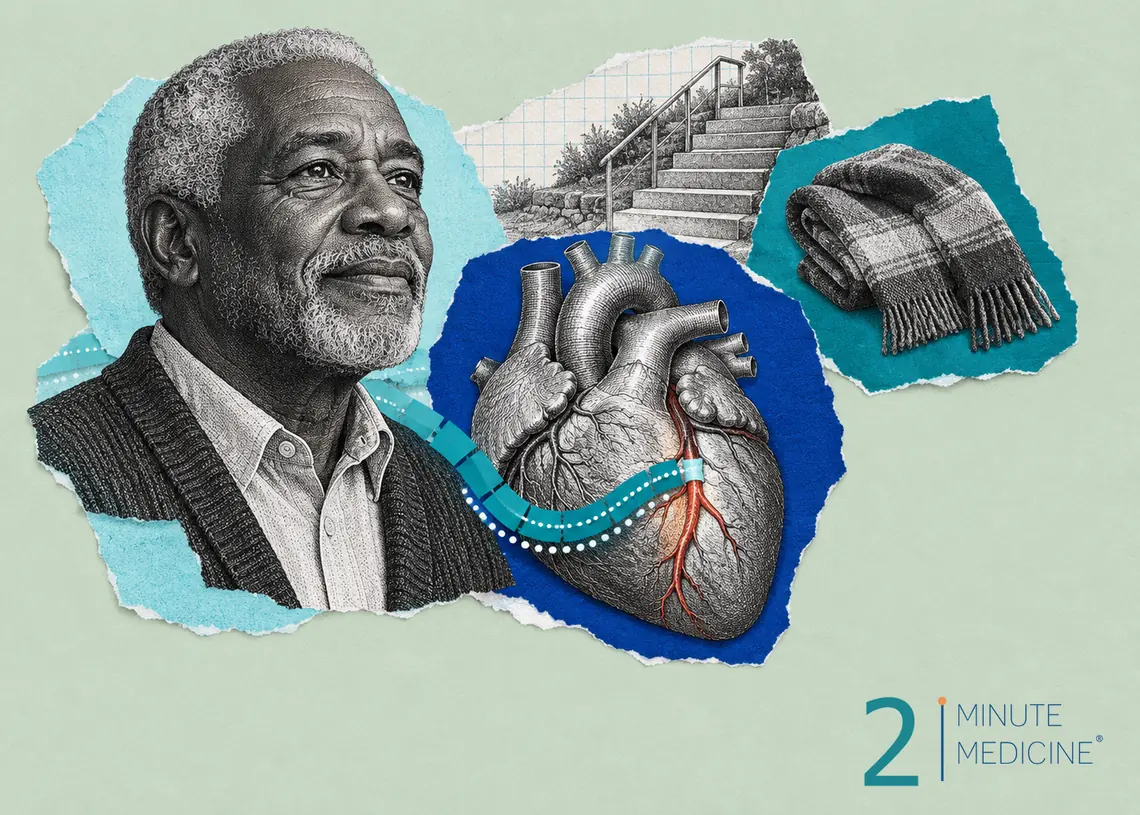
Angina (angina pectoris) is chest pain or pressure that happens when the heart muscle isn’t getting enough blood and oxygen. It is usually a sign of coronary artery disease, a narrowing of the arteries that feed the heart. Angina that comes on with effort and fades with rest is a warning to see a doctor soon. Chest pain that is new, getting worse or happening at rest can mean a heart attack is starting, and you should call 911.
Key points
- Angina often feels like squeezing, pressure or heaviness in the chest, and it may spread to the arm, neck, jaw or back.
- Stable angina follows a pattern. It comes with exercise or stress and goes away within minutes of rest.
- Unstable angina is new, more frequent, or happens at rest. It is an emergency.
- Tests include an ECG, a stress test and scans of the heart arteries.
- Medicines, healthy habits and sometimes a stent or bypass surgery ease symptoms and lower the risk of a heart attack.
What causes angina
The heart is a muscle, and it needs a steady supply of oxygen-rich blood from the coronary arteries. Over years, fatty deposits called plaque can build up inside these arteries and narrow them. At rest, enough blood may still get through. When you climb stairs, walk fast, feel upset or face cold air, the heart works harder and needs more blood than the narrowed artery can deliver. That shortfall causes angina.
Things that raise the chance of plaque buildup include:
- High blood pressure
- High LDL (“bad”) cholesterol
- Diabetes
- Smoking or vaping
- Lack of exercise and carrying extra weight
- Chronic kidney disease
- A parent or sibling who had heart disease at a young age
- Getting older
Less often, angina comes from a spasm that briefly squeezes a coronary artery shut (vasospastic or Prinzmetal angina), or from disease in the heart’s tiniest blood vessels (microvascular angina). Microvascular angina is more common in women, and standard artery scans can look normal.
What angina feels like
- Pressure, tightness, squeezing, burning or heaviness in the chest
- Discomfort that spreads to the shoulders, arms, neck, jaw, upper belly or back
- Shortness of breath
- Sweating, nausea, tiredness or lightheadedness
The pain is usually felt behind the breastbone or across the chest rather than in one small spot. It often spreads to the left arm, sometimes down the inner side of the arm, and it can show up only in the arm, jaw or upper back. A sharp pain you can point to with one finger, or one that changes when you press on the chest, is less likely to be angina. Women, older adults and people with diabetes are more likely to have less typical symptoms, such as shortness of breath, unusual tiredness or nausea without much chest pain.
Types of angina
- Stable angina happens at a predictable level of effort and follows the same pattern each time.
- Unstable angina is new, comes more often, lasts longer, starts with less effort, or happens at rest. It means a plaque may have cracked and a clot may be forming. Doctors treat it like a heart attack.
- Vasospastic angina often strikes at rest, at night or in the early morning.
How it’s diagnosed
- Talking and examining. Your doctor will ask what brings on the pain, how long it lasts and what makes it better, and check your blood pressure, heart and lungs.
- ECG (electrocardiogram). Stickers on the chest record the heart’s electrical activity. It may be normal between episodes.
- Blood tests. A troponin test checks for heart muscle damage if you have pain now. Other tests check cholesterol, blood sugar and kidney function.
- Stress test. You walk on a treadmill, or get a medicine that makes the heart work harder, while your heart is monitored. An ultrasound of the heart (echocardiogram) or a nuclear scan may be added to show areas that aren’t getting enough blood.
- Coronary CT angiography. A CT scan with dye shows narrowing and plaque in the heart arteries.
- Cardiac catheterization. A thin tube is passed through an artery in the wrist or groin to the heart, and dye shows any blockages on X-ray. If a narrowing is found, it can often be opened during the same procedure.
Treatment
Medicines
- Nitroglycerin tablets that dissolve under the tongue, or a spray, relax blood vessels and stop an attack within minutes. You can also take it before an activity that usually triggers pain.
- Daily medicines to prevent attacks include beta-blockers, calcium channel blockers, long-acting nitrates such as isosorbide mononitrate (ISMN), and ranolazine.
- Medicines to protect the heart include a statin to lower cholesterol and, for many people, low-dose aspirin or another drug to prevent clots. Your doctor will also treat high blood pressure and diabetes.
Never take nitroglycerin within a day or two of ED pills such as sildenafil or tadalafil. Together they can drop blood pressure to a dangerous level.
Procedures
- Angioplasty and stenting. A tiny balloon on a catheter widens the narrowed artery, and a mesh tube (stent) holds it open.
- Bypass surgery (CABG). A surgeon uses a blood vessel from the chest, leg or arm to route blood around blocked arteries. It may be the better choice when several arteries are narrowed or you have diabetes.
For stable angina, medicines and healthy habits work as well as stents for many people at preventing heart attacks. A procedure makes most sense when symptoms keep limiting you despite medicine, or tests show a high-risk blockage.
Living with angina
- Carry nitroglycerin with you and check the expiration date.
- Learn your triggers. Warm up before exercise, pace yourself on stairs and hills, and cover your mouth and nose in cold weather.
- Ask about cardiac rehabilitation, a supervised exercise and education program.
- Stay active in ways your doctor approves. Regular walking often raises the amount of effort it takes to bring on pain.
- Quit smoking. Ask about medicines and counseling that help.
- Eat more vegetables, fruits, whole grains, beans and fish, and less salt, processed meat and sugary food.
Get emergency care
Call 911 if chest pain or pressure:
- Is new, or is worse or different from your usual pattern
- Comes on at rest or wakes you up
- Isn’t better 5 minutes after one dose of nitroglycerin
- Comes with sweating, fainting, severe shortness of breath or nausea
Don’t drive yourself to the hospital. The 911 operator may tell you to chew an aspirin while you wait.
Common questions about angina
How long does an angina attack last?
Stable angina usually lasts 1 to 5 minutes and fades with rest or nitroglycerin. Pain that lasts longer than about 15 minutes, keeps coming back at rest, or isn’t better 5 minutes after nitroglycerin may be unstable angina or a heart attack. Call 911.
Can angina last for days?
A single episode doesn’t. Chest pain that stays for hours or days without stopping is more often from sore muscles, reflux or another cause, though it still needs a doctor’s visit. Angina attacks that keep coming back over several days and get easier to trigger are unstable angina and need emergency care.
Does left arm pain mean a heart attack?
Not always. Angina and heart attacks can both cause pain in the left arm. Arm pain that comes with effort and goes away with rest fits stable angina. Arm or chest pain at rest, pain lasting more than a few minutes, or pain with sweating or shortness of breath needs a 911 call.
Is angina dangerous?
Angina is a warning sign of heart disease, so even mild angina needs a doctor. Stable angina can stay steady for years with treatment. There is no set time between angina and a heart attack, and unstable angina can turn into one within hours or days.
Questions to ask your doctor
- What type of angina do I have?
- How much activity is safe for me?
- How and when should I use nitroglycerin?
- Would a stent or bypass help me, or are medicines enough?
- What are my targets for blood pressure and cholesterol?
Learn more
- Angina (chest pain) (National Heart, Lung, and Blood Institute)
This guide is general information and doesn’t replace advice from your own doctor. Last updated October 2026.
RelatedReports






 Get the app