• About
  • Masthead
  • License Content
  • Advertise
  • Submit Press Release
  • RSS/Email List
  • 2MM Podcast
  • Write for us
  • Contact Us
2 Minute Medicine
No Result
View All Result

No products in the cart.

SUBSCRIBE
  • Specialties
    • All Specialties, All Recent Reports
    • Cardiology
    • Chronic Disease
    • Dermatology
    • Emergency
    • Endocrinology
    • Gastroenterology
    • Imaging and Intervention
    • Infectious Disease
    • Nephrology
    • Neurology
    • Obstetrics
    • Oncology
    • Ophthalmology
    • Pediatrics
    • Pharma
    • Preclinical
    • Psychiatry
    • Public Health
    • Pulmonology
    • Rheumatology
    • Surgery
  • Tools
    • EvidencePulse™
    • RVU Search
    • NPI Registry Lookup
  • Pharma
  • AI News
  • The Scan+
  • Classics™+
    • 2MM+ Online Access
    • Paperback and Ebook
  • Rewinds
  • Partners
    • License Content
    • Submit Press Release
    • Advertise with Us
  • Account
    • Subscribe
    • Sign-in
    • My account
2 Minute Medicine
  • Specialties
    • All Specialties, All Recent Reports
    • Cardiology
    • Chronic Disease
    • Dermatology
    • Emergency
    • Endocrinology
    • Gastroenterology
    • Imaging and Intervention
    • Infectious Disease
    • Nephrology
    • Neurology
    • Obstetrics
    • Oncology
    • Ophthalmology
    • Pediatrics
    • Pharma
    • Preclinical
    • Psychiatry
    • Public Health
    • Pulmonology
    • Rheumatology
    • Surgery
  • Tools
    • EvidencePulse™
    • RVU Search
    • NPI Registry Lookup
  • Pharma
  • AI News
  • The Scan+
  • Classics™+
    • 2MM+ Online Access
    • Paperback and Ebook
  • Rewinds
  • Partners
    • License Content
    • Submit Press Release
    • Advertise with Us
  • Account
    • Subscribe
    • Sign-in
    • My account
SUBSCRIBE
2 Minute Medicine
Subscribe
Home All Specialties Chronic Disease

Cinpanemab therapy does not prevent Parkinson’s disease progression
byNhat Hung (Benjamin) LamandKiera Liblik
August 15, 2022
in Chronic Disease, Neurology
Reading Time: 2 mins read
0
Share on FacebookShare on Twitter

1. Cinpanemab did not show clinical efficacy in preventing early Parkinson’s disease (PD) progression compared to placebo.

2. There was no difference in imaging results of dopamine transporters between cinpanemab and placebo groups.

Evidence Rating Level: 1 (Excellent)

Study Rundown: PD is the second most prevalent neurodegenerative disease worldwide. The mainstay of treatment is dopamine replacement with levodopa, which is effective in managing PD symptoms. Current therapies, however, do not slow disease progression. Drug-resistant symptoms may also emerge over time. Therefore, disease-modifying PD drugs are the subject of active investigation. Cinpanemab is a human-derived monoclonal antibody targeting aggregated extracellular α-synuclein, a protein involved in disrupting dopamine signaling underlying the pathology of PD. The current study was a phase two randomized controlled trial assessing the efficacy of cinpanemab in participants with early PD. Participants were randomized to receive infusions of a placebo control or cinpanemab at a dose of 250mg, 1250mg, or 3500mg every 4 weeks. Compared to the placebo, cinpanemab recipients did not show significant improvements in PD clinical rating scores at 52 and 72 weeks. Imaging to examine dopamine signaling showed no differences between cinpanemab and placebo groups. The trial was halted at 72 weeks due to lack of efficacy. These results indicate that targeting extracellular α-synuclein may not be sufficient in modifying PD’s progression.

Click here to read the study in NEJM

In-Depth [randomized control trial]: The present study was a 52-week, double-blind, randomized controlled phase two trial investigating the efficacy of cinpanemab for treating early PD. Participants between 40 and 80 years of age were included if they had early-stage PD, scored no more than 2.5 on the modified Hoehn and Yahr scale of PD progression, had not received PD treatment, and had dopamine transporter single-photon-emission computed tomography (DaT-SPECT) indicated dopaminergic deficit consistent with PD. Overall, 357 participants were enrolled, randomized in a 2:1:2:2 ratio to receive intravenous infusions of placebo or cinpanemab every four weeks for 52 weeks. Afterward, placebo recipients started to receive cinpanemab at 250mg, 1250mg, or 3500mg dose until 112 weeks. The primary outcome was the change from baseline in the Movement Disorder Society-sponsored revision of the Unified Parkinson’s Disease Rating Scale (MDS-UPDRS, high scores indicating more severe symptoms), at 52 and 72 weeks. At 72 weeks, the adjusted mean difference between participants who received cinpanemab for 72 weeks and the pooled group who started cinpanemab at 52 weeks was -0.9 (95% Confidence Interval [CI], -5.6 to 3.8), 0.6 (95% CI, -4.6 to 3.0), and -0.8 (95% CI, -4.6 to 3.0) for the 250mg, 1250mg, and 3500mg groups, respectively. Similar results were observed in the MDS-UPDRS subscales and quality of life measures. Overall, cinpanemab was not shown to be efficacious in clinical measures of early PD.

RELATED REPORTS

Functional recovery after maternal ischemic stroke may be commonly favourable

Edaravone dexborneol improves functional independence in patients with acute ischaemic stroke following endovascular thrombectomy

Brain-penetrant enzyme replacement therapy improves biomarkers in mucopolysaccharidosis type II

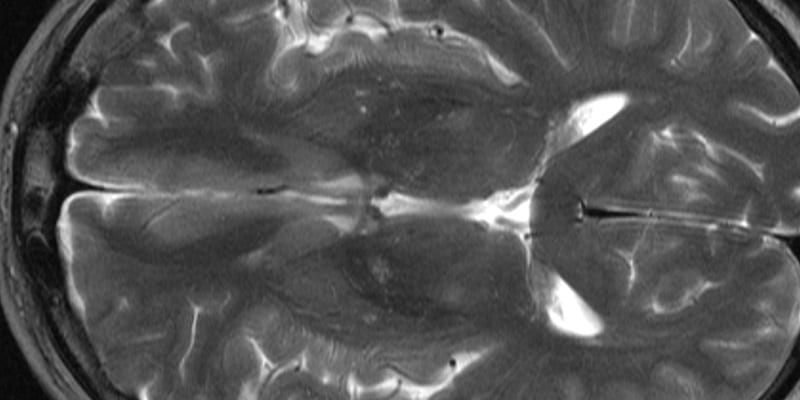
Image: PD

©2022 2 Minute Medicine, Inc. All rights reserved. No works may be reproduced without expressed written consent from 2 Minute Medicine, Inc. Inquire about licensing here. No article should be construed as medical advice and is not intended as such by the authors or by 2 Minute Medicine, Inc.


Tags: a-synucleinAggregated a-synucleinchronic diseaseCinpanemabneurodegenerative diseaseneurological diseaseneurologyParkinson DiseaseParkinson’s
Previous Post

Criteria for low-dose computed tomography lung cancer screening omit a high risk population of smokers

Next Post

Dulaglutide improves glycemic control for youth with type 2 diabetes

RelatedReports

Non-alcoholic fatty liver disease and risk of incident acute myocardial infarction and stroke: findings from matched cohort study of 18 million European adults
Neurology

Functional recovery after maternal ischemic stroke may be commonly favourable

January 26, 2026
Imaging and Intervention

Edaravone dexborneol improves functional independence in patients with acute ischaemic stroke following endovascular thrombectomy

January 15, 2026
Abusive head trauma results in fewer productive life-years
Chronic Disease

Brain-penetrant enzyme replacement therapy improves biomarkers in mucopolysaccharidosis type II

January 14, 2026
Non-alcoholic fatty liver disease and risk of incident acute myocardial infarction and stroke: findings from matched cohort study of 18 million European adults
Chronic Disease

A novel validated, imaging-based risk model may predict poststroke epilepsy more accurately than existing tools

January 12, 2026
Next Post
Pediatric DKA associated with recent acute care visits

Dulaglutide improves glycemic control for youth with type 2 diabetes

Evidence-based interventions for pediatric asthma successfully adapted for community health centers

Pediatric asthma morbidity is associated with geographic location and social determinants of health

ABCD2 Score: Predicting Early Stroke Risk After Transient Ischemic Attack (TIA) [Classics Series]

Increased use of pediatric CT poses significant oncogenic risk [Classics Series]

2 Minute Medicine® is an award winning, physician-run, expert medical media company. Our content is curated, written and edited by practicing health professionals who have clinical and scientific expertise in their field of reporting. Our editorial management team is comprised of highly-trained MD physicians. Join numerous brands, companies, and hospitals who trust our licensed content.

Recent Reports

  • Perioperative esketamine may improve postoperative pain and mood outcomes after cesarean section
  • Tenecteplase not associated with visual improvement in central retinal artery occlusion
  • Palbociclib as adjunct maintenance therapy prolongs progression-free survival in some types of metastatic breast cancer
License Content
Terms of Use | Disclaimer
Cookie Policy
Privacy Statement (EU)
Disclaimer

© 2025 2 Minute Medicine, Inc. - Physician-written medical news.

  • Specialties
    • All Specialties, All Recent Reports
    • Cardiology
    • Chronic Disease
    • Dermatology
    • Emergency
    • Endocrinology
    • Gastroenterology
    • Imaging and Intervention
    • Infectious Disease
    • Nephrology
    • Neurology
    • Obstetrics
    • Oncology
    • Ophthalmology
    • Pediatrics
    • Pharma
    • Preclinical
    • Psychiatry
    • Public Health
    • Pulmonology
    • Rheumatology
    • Surgery
  • Tools
    • EvidencePulse™
    • RVU Search
    • NPI Registry Lookup
  • Pharma
  • AI News
  • The Scan
  • Classics™
    • 2MM+ Online Access
    • Paperback and Ebook
  • Rewinds
  • Partners
    • License Content
    • Submit Press Release
    • Advertise with Us
  • Account
    • Subscribe
    • Sign-in
    • My account
No Result
View All Result

© 2025 2 Minute Medicine, Inc. - Physician-written medical news.