• About
  • Masthead
  • License Content
  • Advertise
  • Submit Press Release
  • RSS/Email List
  • 2MM Podcast
  • Write for us
  • Contact Us
2 Minute Medicine
No Result
View All Result

No products in the cart.

SUBSCRIBE
  • Specialties
    • All Specialties, All Recent Reports
    • Cardiology
    • Chronic Disease
    • Dermatology
    • Emergency
    • Endocrinology
    • Gastroenterology
    • Imaging and Intervention
    • Infectious Disease
    • Nephrology
    • Neurology
    • Obstetrics
    • Oncology
    • Ophthalmology
    • Pediatrics
    • Pharma
    • Preclinical
    • Psychiatry
    • Public Health
    • Pulmonology
    • Rheumatology
    • Surgery
  • Tools
    • EvidencePulse™
    • RVU Search
    • NPI Registry Lookup
  • Pharma
  • AI News
  • The Scan+
  • Classics™+
    • 2MM+ Online Access
    • Paperback and Ebook
  • Rewinds
  • Partners
    • License Content
    • Submit Press Release
    • Advertise with Us
  • Account
    • Subscribe
    • Sign-in
    • My account
2 Minute Medicine
  • Specialties
    • All Specialties, All Recent Reports
    • Cardiology
    • Chronic Disease
    • Dermatology
    • Emergency
    • Endocrinology
    • Gastroenterology
    • Imaging and Intervention
    • Infectious Disease
    • Nephrology
    • Neurology
    • Obstetrics
    • Oncology
    • Ophthalmology
    • Pediatrics
    • Pharma
    • Preclinical
    • Psychiatry
    • Public Health
    • Pulmonology
    • Rheumatology
    • Surgery
  • Tools
    • EvidencePulse™
    • RVU Search
    • NPI Registry Lookup
  • Pharma
  • AI News
  • The Scan+
  • Classics™+
    • 2MM+ Online Access
    • Paperback and Ebook
  • Rewinds
  • Partners
    • License Content
    • Submit Press Release
    • Advertise with Us
  • Account
    • Subscribe
    • Sign-in
    • My account
SUBSCRIBE
2 Minute Medicine
Subscribe
Home All Specialties Chronic Disease

Bedaquiline-pretomanid-linezolid regimen is effective for treating drug-resistant tuberculosis
byDavid XiangandKiera Liblik
September 1, 2022
in Chronic Disease, Infectious Disease, Public Health, Pulmonology
Reading Time: 3 mins read
0
Share on FacebookShare on Twitter

1. Four bedaquiline-pretomanid-linezolid treatment groups had a favorable outcome for the treatment of drug-resistant tuberculosis.

2. The treatment group with linezolid at 600mg for 26 weeks had the most favorable risk-benefit ratio.

Evidence Rating Level: 1 (Excellent)

Study Rundown: Drug-resistant tuberculosis is a driving factor behind the ongoing worldwide spread of tuberculosis. Treatment lasts between 9 and 24 months and involves multiple drugs that can have serious side effects such as cardiac toxicity, neuropathy, and liver dysfunction. The regimen of bedaquiline-pretomanid-linezolid has been proposed to be effective in patients with highly drug-resistant tuberculosis. Bedaquiline inhibits mycobacterial ATP synthase, pretomanid inhibits mycolic acid biosynthesis, and linezolid inhibits mycobacterial protein synthesis. However, the use of linezolid at a dose of 1200mg daily has been associated with a high incidence of adverse events. Therefore, there is a gap in knowledge as to understanding the efficacy and safety of different doses of linezolid in the bedaquiline-pretomanid-linezolid regimen for the treatment of highly drug-resistant tuberculosis. Overall, this study found that the 600mg 26-week regimen of linezolid had the most favorable risk-benefit profile among the regimens studied for the treatment of highly drug-resistant tuberculosis. This study was limited by the small trial size impacting the precision of any estimate of treatment effect, and by a lack of a standard-care control group which means there is no clear comparator against which the observed efficacy can be assessed. Nevertheless, these study’s findings are significant, as they demonstrate that the bedaquiline-pretomanid-linezolid regimen treatment showed favorable cure rates of highly drug-resistant tuberculosis.

Click to read the study in NEJM

Relevant Reading: Treatment of Highly Drug-Resistant Pulmonary Tuberculosis

RELATED REPORTS

Lyme disease is associated with significant health care costs

Neighbourhood socioeconomic status may be associated with days spent at home following hip fracture in older adults

Home hospital care may be feasible and safe for rural patients requiring hospital-level care

In-Depth [randomized controlled trial]: This randomized trial enrolled patients with multiple types of drug-resistant tuberculosis, including rifampin-resistant tuberculosis and fluoroquinolone or aminoglycoside-resistant tuberculosis. Patients were recruited from South Africa, Georgia, Moldova, and Russia, and were eligible for the study if they were 14 years of age or older and had a documented positive sputum culture or molecular test for M. tuberculosis within 3 months before screening. Patients were ineligible for the study if they had HIV infection, a CD4 cell count of less than 100 per cubic millimeter, a risk of arrhythmia, or peripheral neuropathy. The primary outcome measured was the incidence of an unfavorable outcome, defined as treatment failure or disease relapse at 26 weeks after treatment completion. Patients were randomized to receive either 1200mg or 600mg daily for either 26 weeks or 9 weeks. Outcomes in the primary analysis were assessed via primary efficacy analysis via intention-to-treat, modified intention-to-treat, and per-protocol analyses. Based on the primary analysis, for participants who received bedaquiline–pretomanid–linezolid with linezolid at a dose of 1200 mg for 26 weeks or 9 weeks or 600 mg for 26 weeks or 9 weeks, 93%, 89%, 91%, and 84%, respectively, had a favorable outcome. Common adverse effects reported included peripheral neuropathy, myelosuppression, and optic neuropathy. The overall risk-benefit ratio also favored the group that used linezolid at a dose of 600mg for 26 weeks due to a lower incidence of adverse events and fewer linezolid dose modifications. Overall, this study shows that the bedaquiline–pretomanid–linezolid regimen is effective in treating highly drug-resistant tuberculosis, with a regimen of linezolid at 600mg for 26 weeks being the preferred treatment plan.

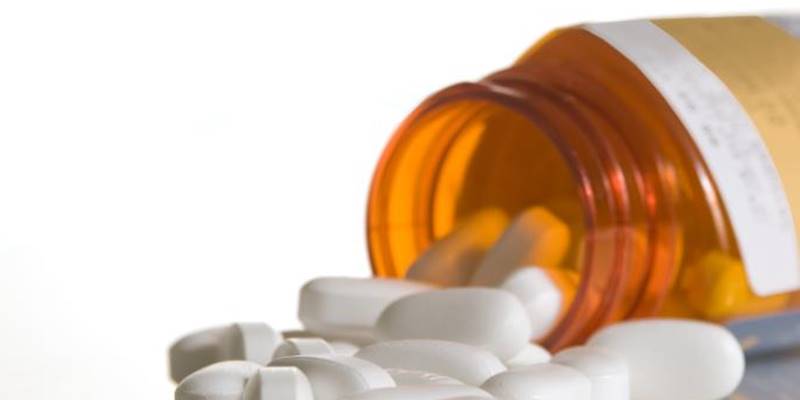
Image: PD

©2022 2 Minute Medicine, Inc. All rights reserved. No works may be reproduced without expressed written consent from 2 Minute Medicine, Inc. Inquire about licensing here. No article should be construed as medical advice and is not intended as such by the authors or by 2 Minute Medicine, Inc.

Tags: Bedaquilinechronic diseasedrug-resistant tuberculosisinfectious diseaselinezolidmultidrug-resistant organismspretomanidpublic healthpulmonologytuberculosis
Previous Post

Fractional flow reserve guidance for percutaneous coronary intervention is similar to intravascular ultrasonography guidance

Next Post

Elevated maternal red blood cell folate is associated with reduced risk of congenital heart disease

RelatedReports

Longer duration of antibiotic therapy does not reduce persistent symptoms in Lyme disease
Infectious Disease

Lyme disease is associated with significant health care costs

January 19, 2026
Bisphosphonate use and risk of atypical femur fractures
Orthopedic Surgery

Neighbourhood socioeconomic status may be associated with days spent at home following hip fracture in older adults

January 12, 2026
Institute of Medicine identifies cost variation between geographic regions
Health

Home hospital care may be feasible and safe for rural patients requiring hospital-level care

January 13, 2026
2 Minute Medicine Rewind January 28, 2019
Chronic Disease

C-reactive protein measurements may be misleading due to large within-person variability

January 13, 2026
Next Post
Maternal vaccination during pregnancy not associated with infant hospitalization, mortality

Elevated maternal red blood cell folate is associated with reduced risk of congenital heart disease

Majority of pediatric medication-related visits to emergency department are preventable

Variation in antipsychotic medication responsiveness present amongst schizophrenia patients

#VisualAbstract: Aspirin resulted in higher rate of venous thromboembolism following arthroplasty compared to enoxaparin

#VisualAbstract: Aspirin resulted in higher rate of venous thromboembolism following arthroplasty compared to enoxaparin

2 Minute Medicine® is an award winning, physician-run, expert medical media company. Our content is curated, written and edited by practicing health professionals who have clinical and scientific expertise in their field of reporting. Our editorial management team is comprised of highly-trained MD physicians. Join numerous brands, companies, and hospitals who trust our licensed content.

Recent Reports

  • An electronic intervention may increase chances of benzodiazepine cessation
  • Fremanezumab reduces migraine frequency in children and adolescents with episodic migraine
  • Illumina’s billion cell atlas tries to solve artificial intelligence’s data bottleneck in biology
License Content
Terms of Use | Disclaimer
Cookie Policy
Privacy Statement (EU)
Disclaimer

© 2025 2 Minute Medicine, Inc. - Physician-written medical news.

  • Specialties
    • All Specialties, All Recent Reports
    • Cardiology
    • Chronic Disease
    • Dermatology
    • Emergency
    • Endocrinology
    • Gastroenterology
    • Imaging and Intervention
    • Infectious Disease
    • Nephrology
    • Neurology
    • Obstetrics
    • Oncology
    • Ophthalmology
    • Pediatrics
    • Pharma
    • Preclinical
    • Psychiatry
    • Public Health
    • Pulmonology
    • Rheumatology
    • Surgery
  • Tools
    • EvidencePulse™
    • RVU Search
    • NPI Registry Lookup
  • Pharma
  • AI News
  • The Scan
  • Classics™
    • 2MM+ Online Access
    • Paperback and Ebook
  • Rewinds
  • Partners
    • License Content
    • Submit Press Release
    • Advertise with Us
  • Account
    • Subscribe
    • Sign-in
    • My account
No Result
View All Result

© 2025 2 Minute Medicine, Inc. - Physician-written medical news.