• About
  • Masthead
  • License Content
  • Advertise
  • Submit Press Release
  • RSS/Email List
  • 2MM Podcast
  • Write for us
  • Contact Us
2 Minute Medicine
No Result
View All Result

No products in the cart.

SUBSCRIBE
  • Specialties
    • All Specialties, All Recent Reports
    • Cardiology
    • Chronic Disease
    • Dermatology
    • Emergency
    • Endocrinology
    • Gastroenterology
    • Imaging and Intervention
    • Infectious Disease
    • Nephrology
    • Neurology
    • Obstetrics
    • Oncology
    • Ophthalmology
    • Pediatrics
    • Pharma
    • Preclinical
    • Psychiatry
    • Public Health
    • Pulmonology
    • Rheumatology
    • Surgery
  • Tools
    • EvidencePulse™
    • RVU Search
    • NPI Registry Lookup
  • Pharma
  • AI News
  • The Scan+
  • Classics™+
    • 2MM+ Online Access
    • Paperback and Ebook
  • Rewinds
  • Partners
    • License Content
    • Submit Press Release
    • Advertise with Us
  • Account
    • Subscribe
    • Sign-in
    • My account
2 Minute Medicine
  • Specialties
    • All Specialties, All Recent Reports
    • Cardiology
    • Chronic Disease
    • Dermatology
    • Emergency
    • Endocrinology
    • Gastroenterology
    • Imaging and Intervention
    • Infectious Disease
    • Nephrology
    • Neurology
    • Obstetrics
    • Oncology
    • Ophthalmology
    • Pediatrics
    • Pharma
    • Preclinical
    • Psychiatry
    • Public Health
    • Pulmonology
    • Rheumatology
    • Surgery
  • Tools
    • EvidencePulse™
    • RVU Search
    • NPI Registry Lookup
  • Pharma
  • AI News
  • The Scan+
  • Classics™+
    • 2MM+ Online Access
    • Paperback and Ebook
  • Rewinds
  • Partners
    • License Content
    • Submit Press Release
    • Advertise with Us
  • Account
    • Subscribe
    • Sign-in
    • My account
SUBSCRIBE
2 Minute Medicine
Subscribe
Home All Specialties Cardiology

A dual-chamber leadless pacemaker provided reliable long-term atrioventricular synchrony
byDavid XiangandKiera Liblik
July 11, 2023
in Cardiology, Chronic Disease
Reading Time: 2 mins read
0
Share on FacebookShare on Twitter

1. In the prospective study, a dual-chamber leadless pacemaker system met primary safety endpoints at three-month follow-up.

2. The dual-chamber leadless pacemaker system provided atrial pacing and reliable atrioventricular synchrony for three months after implantation.

Evidence Rating Level: 1 (Excellent)

Study Rundown: Conventional pacemakers consist of a surgically implanted pulse generator with transvenous leads. Recently, a modular dual-chamber leadless pacemaker system with bidirectional communication and a fixation mechanism enabling the placement of a right atrial leadless packer was developed. However, there remains a gap in knowledge as to understanding the safety and performance of this dual-chamber leadless pacemaker system in humans. Overall, this study found that a leadless dual-chamber pacemaker with bidirectional wireless communication met the primary safety and performance endpoints at three months in patients with standard indications for dual-chamber pacing. This study was limited by its single-group nature, which precluded direct comparison, and with only short-term follow-up data reported. Nevertheless, these study’s findings are significant, as they demonstrate that this leadless dual chamber pacemaker system provided safety and performance at three months in patients with indications for dual chamber pacing.

Click to read the study in NEJM

Relevant Reading: Infections Associated with Resterilized Pacemakers and Defibrillators

RELATED REPORTS

2 Minute Medicine: Pharma Roundup – Pfizer’s Talzenna delays prostate cancer progression, apixaban lowers VTE bleeding risk, Lilly’s retatrutide hits Phase III metabolic targets, and FDA warns Novo Nordisk over safety reporting violations [March 2026]

Lifestyle factors including higher body mass index and smoking are associated with changes in left-atrial size and function

Sodium-glucose cotransporter 2 inhibitors may improve left ventricular diastolic function in hypertrophic cardiomyopathy

In-Depth [single-group multicenter study]: This prospective, multicenter, single-group study was conducted to study the leadless pacemaker system. Patients who had a standard indication for dual-chamber pacing and an age of at least 18 years were eligible for the study. Patients who had a mechanical tricuspid valve prosthesis, inferior vena cava filter, preexisting pacing or defibrillation leads, and electrically active implantable medical devices were excluded from the study. The primary outcome measured was freedom from complications through 90 days, as well as a combination of adequate atrial capture threshold (≤3.0 V at 0.4 msec) and atrial sensing amplitude (P wave of ≥1.0 mV) at the three-month visit. Outcomes in the primary analysis were assessed via an adaptive design for sample size reestimation and a multiple imputation method based on logistic regression. Based on the primary analysis, the primary safety endpoint was met in 271 patients (90.3%; 95% Confidence Interval [CI], 87.0 to 93.7), which exceeded the performance goal of 78% (p<0.001). The first primary performance endpoint was met in 90.2% of the patients (95% CI, 86.8 to 93.6), which exceeded the performance goal of 82.5% (p<0.001). At least 70% atrioventricular synchrony was achieved in 97.3% of the patients (95% CI, 95.4 to 99.3), which exceeded the performance goal of 83% (p<0.001). In summary, the present study demonstrates that the dual-chamber leadless pacemaker met the primary safety endpoint and provided atrial pacing and reliable atrioventricular synchrony for three months after implantation.

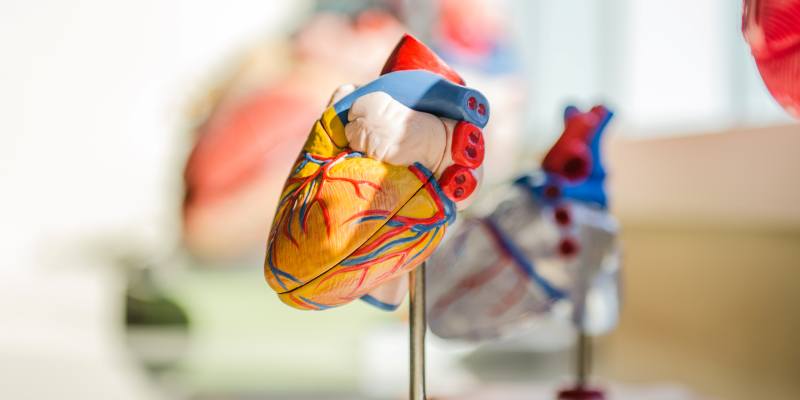
Image: PD

©2023 2 Minute Medicine, Inc. All rights reserved. No works may be reproduced without expressed written consent from 2 Minute Medicine, Inc. Inquire about licensing here. No article should be construed as medical advice and is not intended as such by the authors or by 2 Minute Medicine, Inc.

Tags: atrioventricular synchronycardiologychronic diseasedual-chamber leadless pacemakerhealth technologyPacemaker
Previous Post

Early versus late post-stroke anticoagulation in patients with atrial fibrillation results in similar outcomes

Next Post

Dobutamine may reduce cerebral blood flow when administered

RelatedReports

2 Minute Medicine: Pharma Roundup: Price Hikes, Breakthrough Approvals, Legal Showdowns, Biotech Expansion, and Europe’s Pricing Debate [May 12nd, 2025]
Endocrinology

2 Minute Medicine: Pharma Roundup – Pfizer’s Talzenna delays prostate cancer progression, apixaban lowers VTE bleeding risk, Lilly’s retatrutide hits Phase III metabolic targets, and FDA warns Novo Nordisk over safety reporting violations [March 2026]

March 30, 2026
Cardiology

Lifestyle factors including higher body mass index and smoking are associated with changes in left-atrial size and function

March 3, 2026
Remote patient monitoring did not reduce heart failure readmissions: The BEAT-HF trial
Cardiology

Sodium-glucose cotransporter 2 inhibitors may improve left ventricular diastolic function in hypertrophic cardiomyopathy

February 17, 2026
Mutation linked with decrease in cutaneous diffuse large B-cell lymphoma
Weekly Rewinds

2 Minute Medicine Rewind February 16, 2026

February 16, 2026
Next Post

Dobutamine may reduce cerebral blood flow when administered

Several factors influenced the mental health of healthcare workers during the COVID-19 pandemic

#VisualAbstract: Mirikizumab as Induction and Maintenance Therapy for Ulcerative Colitis

#VisualAbstract: Mirikizumab as Induction and Maintenance Therapy for Ulcerative Colitis

2 Minute Medicine® is an award winning, physician-run, expert medical media company. Our content is curated, written and edited by practicing health professionals who have clinical and scientific expertise in their field of reporting. Our editorial management team is comprised of highly-trained MD physicians. Join numerous brands, companies, and hospitals who trust our licensed content.

Recent Reports

  • Placental abruption during pregnancy is not associated with increased risk of cardiovascular mortality in children
  • Pfizer’s Talzenna combo significantly delays prostate cancer progression
  • Bottom-vented bottles may not reduce gastrointestinal discomfort in infants
License Content
Terms of Use | Disclaimer
Cookie Policy
Privacy Statement (EU)
Disclaimer

The Classics in Medicine Paperback Released!

Over the past 30 years, the transition from print to digital media has contributed to an exponential increase in medical literature. In response, 2 Minute Medicine presents 160+ authoritative, physician-written summaries of the most cited landmark trials in medicine.

amazon-logo_blackGet-it-on-iBooks-badge

Click anywhere to close this announcement

  • Specialties
    • All Specialties, All Recent Reports
    • Cardiology
    • Chronic Disease
    • Dermatology
    • Emergency
    • Endocrinology
    • Gastroenterology
    • Imaging and Intervention
    • Infectious Disease
    • Nephrology
    • Neurology
    • Obstetrics
    • Oncology
    • Ophthalmology
    • Pediatrics
    • Pharma
    • Preclinical
    • Psychiatry
    • Public Health
    • Pulmonology
    • Rheumatology
    • Surgery
  • Tools
    • EvidencePulse™
    • RVU Search
    • NPI Registry Lookup
  • Pharma
  • AI News
  • The Scan
  • Classics™
    • 2MM+ Online Access
    • Paperback and Ebook
  • Rewinds
  • Partners
    • License Content
    • Submit Press Release
    • Advertise with Us
  • Account
    • Subscribe
    • Sign-in
    • My account
No Result
View All Result

© 2026 2 Minute Medicine, Inc. - Physician-written medical news.