• About
  • Masthead
  • License Content
  • Advertise
  • Submit Press Release
  • RSS/Email List
  • 2MM Podcast
  • Write for us
  • Contact Us
2 Minute Medicine
No Result
View All Result

No products in the cart.

SUBSCRIBE
  • About
  • Specialties
    • All Specialties, All Recent Reports
    • Cardiology
    • Chronic Disease
    • Dermatology
    • Emergency
    • Endocrinology
    • Gastroenterology
    • Imaging and Intervention
    • Infectious Disease
    • Nephrology
    • Neurology
    • Obstetrics
    • Oncology
    • Ophthalmology
    • Pediatrics
    • Pharma
    • Preclinical
    • Psychiatry
    • Public Health
    • Pulmonology
    • Rheumatology
    • Surgery
  • Tools+
    • EvidencePulse™
    • HypeCheck™
    • NPI Registry Lookup
    • RVU Search
  • Pharma
  • AI Roundup
  • The Scan+
  • Classics™+
    • 2MM+ Online Access
    • Paperback and Ebook
  • Rewinds
  • Partners
    • License Content
    • Submit Press Release
    • Advertise with Us
  • Account
    • Subscribe
    • My account
    • Cart
    • Sign-in
2 Minute Medicine
  • About
  • Specialties
    • All Specialties, All Recent Reports
    • Cardiology
    • Chronic Disease
    • Dermatology
    • Emergency
    • Endocrinology
    • Gastroenterology
    • Imaging and Intervention
    • Infectious Disease
    • Nephrology
    • Neurology
    • Obstetrics
    • Oncology
    • Ophthalmology
    • Pediatrics
    • Pharma
    • Preclinical
    • Psychiatry
    • Public Health
    • Pulmonology
    • Rheumatology
    • Surgery
  • Tools+
    • EvidencePulse™
    • HypeCheck™
    • NPI Registry Lookup
    • RVU Search
  • Pharma
  • AI Roundup
  • The Scan+
  • Classics™+
    • 2MM+ Online Access
    • Paperback and Ebook
  • Rewinds
  • Partners
    • License Content
    • Submit Press Release
    • Advertise with Us
  • Account
    • Subscribe
    • My account
    • Cart
    • Sign-in
SUBSCRIBE
2 Minute Medicine
Subscribe
EvidencePulse™ by 2 Minute Medicine 2026 evidence scan 3 reports You asked top stroke trials 2026 Synthesizing medical evidence... Top 2026 stroke trial results: OCEANIC — ischemic stroke: 6.2% vs 8.4% OPTION* — mRS 0–1: 43.6% vs 34.2% ORIENTAL* — mRS 0–2: 58.6% vs 46.6% *Higher sICH in intervention arms Participants randomizedN OCEANIC 12,327 OPTION 570 ORIENTAL 564 Ask about guidelines or landmark trials... ↑ Try EvidencePulse™ Ask the evidence.
Get the signal.
Try it now → Physician-trained medical AI by 2 Minute Medicine
Home All Specialties Cardiology

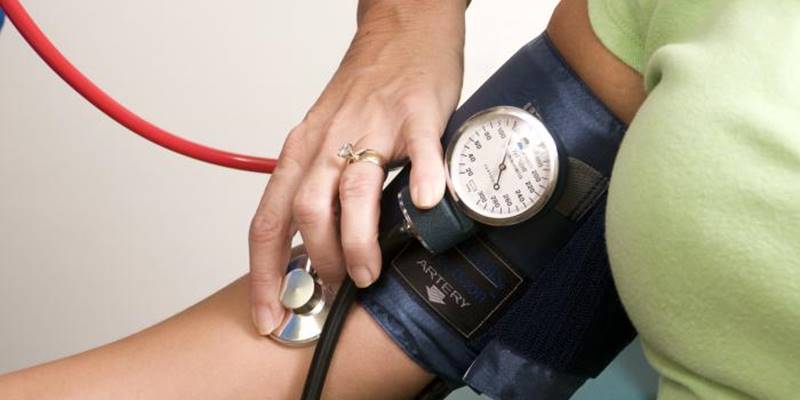
Intensive blood pressure control reduces major cardiovascular event risk in type 2 diabetes patients
byShagun JainandKiera Liblik
April 9, 2025
in Cardiology, Chronic Disease
Reading Time: 3 mins read
Prevalence of hypertension among adolescents varies by race and BMI
Share on FacebookShare on Twitter

1. In this parallel design, randomized trial, intensive treatment of systolic blood pressure (SBP) resulted in a lower incidence of major cardiovascular events compared to standard treatment.

2. The incidence of serious adverse events was similar in the intensive and standard treatment groups.

Evidence Rating Level: 1 (Excellent)

Study Rundown: Current guidelines recommend decreasing blood pressure in hypertensive patients with type 2 diabetes, however, the reduction targets in this population are unclear. This parallel-design, randomized clinical trial investigated whether intensive treatment targeting a SBP of less than 120mmHg would be more effective than standard treatment targeting a SBP of less than 140mmHg in reducing the risk of major cardiovascular disease events in patients with type 2 diabetes. Patients who met eligibility criteria were randomly assigned to receive intensive treatment that targeted an SBP of less than 120mmHg or standard treatment that targeted an SBP of less than 140mmHg for up to five years. The primary outcome of this study was a composite measure of nonfatal stroke, nonfatal myocardial infarction, treatment or hospitalization for heart failure, or death from cardiovascular causes. The results from this study found that the incidence of major cardiovascular events was significantly lower amongst patients in the intensive treatment group in comparison to those with standard treatment. The incidence of serious adverse events was similar between groups. Limitations of this trial included the lack of blinding, the use of telephone interviews for data collection, the variability in the diastolic blood pressure between groups, and the fact that only 60% of patients in the intensive treatment group met the target SBP after one year.

Click here to read the study in NEJM

In-Depth [randomized controlled trial]: This parallel-design, randomized clinical trial investigated whether intensive blood pressure control would be more effective than standard treatment at reducing the risk of major cardiovascular disease events in patients with type 2 diabetes. Patients living in China who were 50 years of age or greater with type 2 diabetes, elevated SBP between 130mmHg and 180mmHg, and an increased risk of cardiovascular disease were eligible for this trial. A total of 12,821 patients were randomly assigned to receive either intensive treatment that targeted a SBP of less than 120mmHg or standard treatment that targeted a SBP of less than 140mmHg for up to five years. After randomization, the antihypertensive regimens of the patients were adjusted based on their blood pressure levels to achieve the SBP targets of their assigned group. The primary outcome of this trial was a composite of nonfatal stroke, nonfatal myocardial infarction, treatment or hospitalization for heart failure, or death from cardiovascular causes. At the one year follow up, results found that the mean SBP was 121.6mmHg in the intensive treatment group and 133.2mmHg in the standard treatment group. During a median follow-up of 4.2 years, the primary outcome was observed in 393 patients in the intensive treatment group and 492 patients in the standard treatment group (hazard ratio, 0.79; 95% confidence interval, 0.69 to 0.90; p<0.001). The incidence of serious adverse events was similar between groups. Overall, the results from this study found that the incidence of cardiovascular events was significantly lower with intensive treatment targeting a SBP of less than 120mmHg than with standard treatment that targeted a SBP of less than 140mmHg among patients with type 2 diabetes.

RELATED REPORTS

Chronic exposure to particulate matter is associated with increased cardiovascular risk

The mortality in-hospital for patients undergoing elective catheter ablation for atrial fibrillation is low

A medical care at home program following hospitalization with acute decompensated heart failure may offer a safe and effective alternative to continued hospitalization

Image: PD

©2025 2 Minute Medicine, Inc. All rights reserved. No works may be reproduced without expressed written consent from 2 Minute Medicine, Inc. Inquire about licensing here. No article should be construed as medical advice and is not intended as such by the authors or by 2 Minute Medicine, Inc.

Tags: blood pressure managementcardiologychronic diseasehypertensionintensive blood pressure targetsinternal medicineSBP targets
Previous Post

#VisualAbstract: Doxycycline Post-Exposure Prophylaxis Effectively Prevents Bacterial Sexually Transmitted Infections

Next Post

Tezepelumab alleviates symptoms in severe chronic rhinosinusitis with nasal polyps

RelatedReports

Cardiology

Chronic exposure to particulate matter is associated with increased cardiovascular risk

September 10, 2026
Rivaroxaban likely reduces risk of recurrent stroke in specific subgroup of patients with embolic stroke of undetermined source
Cardiology

The mortality in-hospital for patients undergoing elective catheter ablation for atrial fibrillation is low

September 4, 2026
Remote patient monitoring did not reduce heart failure readmissions: The BEAT-HF trial
Cardiology

A medical care at home program following hospitalization with acute decompensated heart failure may offer a safe and effective alternative to continued hospitalization

July 24, 2026
Rivaroxaban likely reduces risk of recurrent stroke in specific subgroup of patients with embolic stroke of undetermined source
Cardiology

Catheter ablation within 1 year of atrial fibrillation diagnosis is associated with reduced risk of recurrence

July 24, 2026
Next Post
Dupilumab linked to improved symptoms in refractory chronic sinusitis and nasal polyposis

Tezepelumab alleviates symptoms in severe chronic rhinosinusitis with nasal polyps

Significant number of wrong-patient errors in radiology reports

Artificial intelligence demonstrates non-inferiority to radiologists at tuberculosis detection within a population with a high-disease burden

Food environment associated with gestational diabetes

Spot capillary HbA1c testing may have a role in early detection of type 2 diabetes

EvidencePulse™ by 2 Minute Medicine 2026 evidence scan 3 reports You asked top stroke trials 2026 Synthesizing medical evidence... Top 2026 stroke trial results: OCEANIC — ischemic stroke: 6.2% vs 8.4% OPTION* — mRS 0–1: 43.6% vs 34.2% ORIENTAL* — mRS 0–2: 58.6% vs 46.6% *Higher sICH in intervention arms Participants randomizedN OCEANIC 12,327 OPTION 570 ORIENTAL 564 Ask about guidelines or landmark trials... ↑ Try EvidencePulse™ Ask the evidence.
Get the signal.
Try it now → Physician-trained medical AI by 2 Minute Medicine

2MM+ All Access

Full details →
$4.99 /month

5-day free trial · cancel anytime

  • ✓100+ physician-written reports
  • ✓EvidencePulse™ + HypeCheck™
  • ✓Ad-free reading + newsletters
Start 5-day free trial

Then $4.99/month. Manage renewal in your account.

2 Minute Medicine® is an award winning, physician-run, expert medical media company. Our content is curated, written and edited by practicing health professionals who have clinical and scientific expertise in their field of reporting. Our editorial management team is comprised of highly-trained MD physicians. Join numerous brands, companies, and hospitals who trust our licensed content.

Recent Reports

  • An artificial intelligence (AI) tool achieved high diagnostic accuracy for the identification and prediction of sepsis
  • Use of long-acting broadly neutralizing antibodies may delay human immunodeficiency virus (HIV) rebound following discontinuation of antiretroviral therapy
  • Large language models (LLMs) demonstrated the ability to generate accurate research manuscripts but required human oversight for more complex analyses
License Content
Terms of Use | Disclaimer
Cookie Policy
Cleantalk Pixel
2MM+ All Access Full details →

The medical literature, distilled daily.

Monthly plan selected: $4.99 /month.

$4.99/month

5-day free trial · cancel anytime

Start 5-day free trial

Then $4.99/month. Manage renewal in your account.

Yearly plan selected: $49.90 /year.

$49.90/year

2 months free · only $4.16/month

Start 5-day free trial

Then $49.90/year. Manage renewal in your account.

Membership benefits

  • ✓100+ physician-written reports
  • ✓AI EvidencePulse™ + HypeCheck™
  • ✓Ad-free reading + newsletters

Already a member? Sign in

  • About
  • Specialties
    • All Specialties, All Recent Reports
    • Cardiology
    • Chronic Disease
    • Dermatology
    • Emergency
    • Endocrinology
    • Gastroenterology
    • Imaging and Intervention
    • Infectious Disease
    • Nephrology
    • Neurology
    • Obstetrics
    • Oncology
    • Ophthalmology
    • Pediatrics
    • Pharma
    • Preclinical
    • Psychiatry
    • Public Health
    • Pulmonology
    • Rheumatology
    • Surgery
  • Tools
    • EvidencePulse™
    • HypeCheck™
    • NPI Registry Lookup
    • RVU Search
  • Pharma
  • AI Roundup
  • The Scan
  • Classics™
    • 2MM+ Online Access
    • Paperback and Ebook
  • Rewinds
  • Partners
    • License Content
    • Submit Press Release
    • Advertise with Us
  • Account
    • Subscribe
    • My account
    • Cart
    • Sign-in
No Result
View All Result

© 2026 2 Minute Medicine, Inc. - Physician-written medical news.