

ARO-DIMER-PA can Significantly Lower LDL-C and Triglycerides in Patients with Mixed Hyperlipidemia
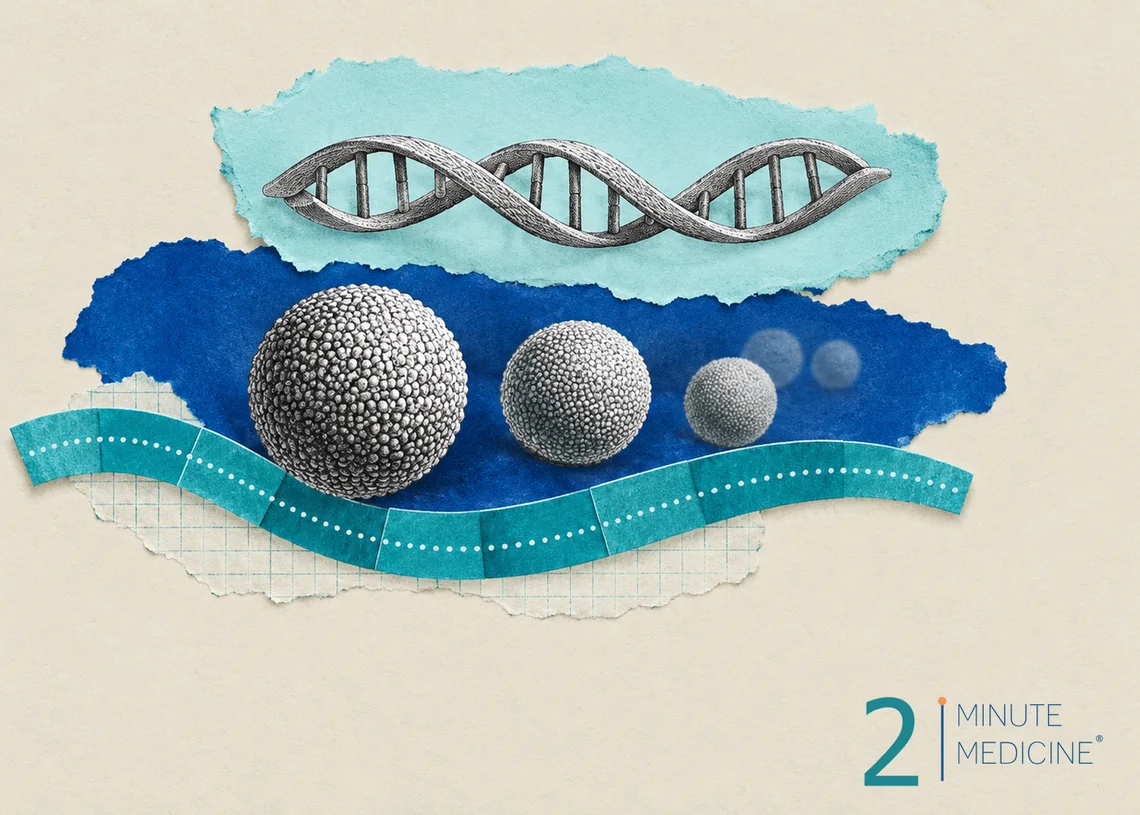
1. A Phase 1 single ascending dose component of a randomized, double blind, placebo controlled trial, showed that ARO-DIMER-PA can target both APOC3 and PCSK9 genes
2. Among the 31 patients in the study, PCCK9 and APOC3 were reduced by 43% and 95%, respectively.
Evidence Rating Level: 1 (Excellent)
Mixed hyperlipidemia is characterized by having high levels of both low density lipoprotein cholesterol (LDL C) and triglyceride rich fats. Currently, patients with mixed hyperlipidemia take multiple medications to address both of these pathways. However, a new Cleveland Clinic study, which was a Phase 1 single ascending dose component of a randomized, double blind, placebo controlled trial, showed that for the first time ever, a single drug has been able to block both disease pathways.
In this study, thirty one patients were randomly assigned to receive a dose of ARO-DIMER-PA between 25 and 400 mg.The medication is a small interfering RNA (siRNA) that targets both the APOC3 and PCSK9 genes, making it dual functional compared to other cholesterol medications which target either the APOC3 or PCSK9 genes independently. PCSK9 and APOC3 were reduced by 43% and 95%, respectively. In summary, the findings of this study demonstrate that one dose of ARO-DIMER-PA reduced remnant cholesterol, ApoB, LDL C levels,and triglyceride rich fats. However, more studies will be required to assess the long term safety of the drug and better assess optimal dosing.
© 2026 2 Minute Medicine, Inc. All rights reserved. No part of this article may be reproduced, distributed or transmitted in any form or by any means without the prior written permission of 2 Minute Medicine, Inc. To license this content, contact 2 Minute Medicine, Inc. This article is for informational and educational purposes only; it is not medical advice and does not replace the judgment of a qualified healthcare professional.
Image: © 2 Minute Medicine
RelatedReports






 Get the app