Aficamten is superior to metoprolol in the management of obstructive hypertrophic cardiomyopathy
1. In this randomized trial, aficamten monotherapy led to greater improvements in exercise capacity compared to metoprolol in patients with symptomatic obstructive hypertrophic cardiomyopathy (HCM).
2. Aficamten also provided broader benefits across symptoms, quality of life, and heart structure and function, with a safety profile similar to metoprolol.
Evidence Rating Level: 1 (Excellent)
Study Rundown: Beta blockers represent the first-line treatment of symptomatic obstructive HCM. However, the literature on their efficacy is limited. Cardiac myosin inhibitors, such as aficamten, represent a class of drugs that reduce left ventricular outflow tract gradients. It is unclear whether they improve outcomes as compared to beta blockers. This double-blind, double-dummy phase three randomized controlled trial directly compared aficamten and metoprolol monotherapy in adults with symptomatic obstructive HCM. At 24 weeks, aficamten yielded a clinically and statistically significant improvement in exercise capacity (peak VO₂), symptoms, and hemodynamics compared to metoprolol. Biomarker and structural improvements also favored aficamten, though left ventricular mass index was not significantly different. Both drugs had similar rates of adverse and serious adverse events, with fewer metoprolol patients tolerating maximal dosing. Importantly, the benefits of aficamten disappeared after washout, confirming an on-drug effect. Strengths included rigorous trial design, global recruitment, and robust exercise endpoints. Limitations included a 24-week duration, lack of long-term outcome data, and restriction to metoprolol. Other beta blockers were not evaluated. Regardless, these results suggest that aficamten may be beneficial as a first-line therapy for obstructive HCM compared with beta blockers.
Click to read the study in NEJM
In-Depth [randomized controlled trial]: The MAPLE-HCM trial was a randomized controlled trial designed to compare aficamten with metoprolol as monotherapy for symptomatic obstructive HCM. A total of 175 patients were randomized 1:1 to aficamten 5–20 mg/day or metoprolol 50–200 mg/day, with dose titration allowed over six weeks. The primary endpoint was the change in peak oxygen uptake (VO₂) at 24 weeks, measured by cardiopulmonary exercise testing. Secondary endpoints included NYHA functional class, Kansas City Cardiomyopathy Questionnaire clinical summary score (KCCQ-CSS), left ventricular outflow tract (LVOT) gradient, NT-proBNP, left atrial volume index (LAVI), and left ventricular mass index. At 24 weeks, aficamten improved peak VO₂ by 1.1 ml/kg/min, while metoprolol was associated with a decline of −1.2 ml/kg/min. The least-squares mean difference was +2.3 ml/kg/min (95% CI 1.5–3.1; p<0.001), demonstrating superior exercise capacity with aficamten. Symptom improvement was also greater: 51% of patients on aficamten improved by at least one NYHA class, compared with 26% on metoprolol (p<0.001). Quality of life improved more with aficamten (KCCQ-CSS +15.8 vs +8.7; P=0.002). Hemodynamic measures strongly favored aficamten, with larger reductions in LVOT gradient (−40.7 vs −3.8 mm Hg; p<0.001), NT-proBNP ratio (0.3 vs 1.4; p<0.001), and LAVI (−3.8 vs +2.8 ml/m²; P<0.001). Serious adverse events occurred in 8% of aficamten vs 7% of metoprolol patients. Rates of overall adverse events were similar (74% vs 76%), though dose reductions were more common with metoprolol (30% vs 5%). Aficamten was associated with a modest reduction in ejection fraction (mean difference −4.2 percentage points), but only 1% developed asymptomatic LVEF <50%. Importantly, the benefits of aficamten disappeared after a 4-week washout, supporting an on-treatment effect. Overall, aficamten monotherapy produced superior improvements in exercise capacity, symptoms, and cardiac function compared to metoprolol, with similar safety, suggesting its potential role as a first-line therapy in obstructive HCM.
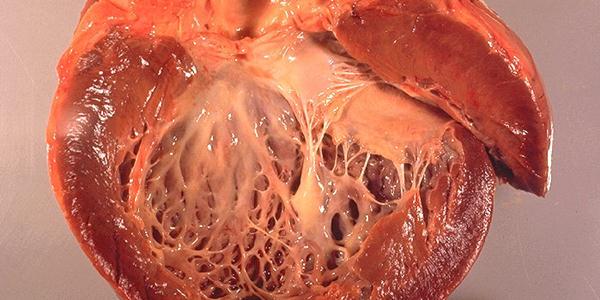
Image: PD
©2025 2 Minute Medicine, Inc. All rights reserved. No works may be reproduced without expressed written consent from 2 Minute Medicine, Inc. Inquire about licensing here. No article should be construed as medical advice and is not intended as such by the authors or by 2 Minute Medicine, Inc.