
• About
  • Masthead
  • License Content
  • Advertise
  • Submit Press Release
  • RSS/Email List
  • 2MM Podcast
  • Write for us
  • Contact Us
2 Minute Medicine
No Result
View All Result

No products in the cart.

SUBSCRIBE
  • Specialties
    • All Specialties, All Recent Reports
    • Cardiology
    • Chronic Disease
    • Dermatology
    • Emergency
    • Endocrinology
    • Gastroenterology
    • Imaging and Intervention
    • Infectious Disease
    • Nephrology
    • Neurology
    • Obstetrics
    • Oncology
    • Ophthalmology
    • Pediatrics
    • Pharma
    • Preclinical
    • Psychiatry
    • Public Health
    • Pulmonology
    • Rheumatology
    • Surgery
  • Tools
    • EvidencePulse™
    • RVU Search
    • NPI Registry Lookup
  • Pharma
  • AI News
  • The Scan+
  • Classics™+
    • 2MM+ Online Access
    • Paperback and Ebook
  • Rewinds
  • Partners
    • License Content
    • Submit Press Release
    • Advertise with Us
  • Account
    • Subscribe
    • Sign-in
    • My account
2 Minute Medicine
  • Specialties
    • All Specialties, All Recent Reports
    • Cardiology
    • Chronic Disease
    • Dermatology
    • Emergency
    • Endocrinology
    • Gastroenterology
    • Imaging and Intervention
    • Infectious Disease
    • Nephrology
    • Neurology
    • Obstetrics
    • Oncology
    • Ophthalmology
    • Pediatrics
    • Pharma
    • Preclinical
    • Psychiatry
    • Public Health
    • Pulmonology
    • Rheumatology
    • Surgery
  • Tools
    • EvidencePulse™
    • RVU Search
    • NPI Registry Lookup
  • Pharma
  • AI News
  • The Scan+
  • Classics™+
    • 2MM+ Online Access
    • Paperback and Ebook
  • Rewinds
  • Partners
    • License Content
    • Submit Press Release
    • Advertise with Us
  • Account
    • Subscribe
    • Sign-in
    • My account
SUBSCRIBE
2 Minute Medicine
Subscribe
Home All Specialties Chronic Disease

Angiotensin receptor blockers may reduce the incidence of epilepsy in patients with hypertension
byGursharan SohiandYuchen Dai
October 24, 2022
in Chronic Disease, Neurology
Reading Time: 3 mins read
0
Share on FacebookShare on Twitter

1. Amongst a cohort of individuals with arterial hypertension, those who were taking angiotensin receptor blocker antihypertensives had the lowest incidence of epilepsy.

2. The highest incidence of epilepsy amongst patients with medication-controlled arterial hypertension was in those taking calcium channel blockers or beta blockers.

Level of Evidence Rating: 2 (Good)

Study Rundown: Epilepsy is a chronic neurological condition characterized by the tendency to experience recurrent seizures. It is a chronic disease which may require lifelong medical therapy and can be refractory to treatment in some cases. In preclinical studies, it has been demonstrated that certain antihypertensive medications may be neuroprotective through modulation of the albumin-induced transforming growth factor cascade pathway in central neurons. Therefore, this study’s purpose was to retrospectively assess the association between epilepsy diagnoses and the treatment of hypertension with various pharmaceutical classes.

In total, 168 612 patients were included, with 42 153 in each subgroup of antihypertensive medication use. The incidence of epilepsy was lowest amongst patients taking ARBs at 1-, 3- and 5-year time points and highest amongst those taking BBs and CCBs. ARBs were significantly reduced with a lower risk of epilepsy; in the analysis of individual drug effects, losartan was significantly protective against epilepsy compared to beta blockers. There was no significant difference in epilepsy incidence based on hypertension severity.

The present study by Doege et al. demonstrated that hypertension management with ARBs may be associated with a decreased risk of epilepsy, particularly in comparison with other classes of antihypertensive, including beta blockers and calcium channel blockers. A strength of this study includes the large sample size and matching of cohorts based on demographics and known risk factors for the outcome. A primary drawback of this work was its retrospective nature, making it difficult to control for confounding. The findings reported here should be studied in a prospective setting to assess their applicability to clinical practice better.

RELATED REPORTS

Carvedilol linked to lower cirrhosis complication risk

Physical frailty is associated with increased risk of epilepsy

2 Minute Medicine Rewind May 18, 2026

Click here to read this study in JAMA Internal Medicine

Relevant reading: Understanding mechanisms of drug resistance in epilepsy and strategies for overcoming it

In-Depth [retrospective cohort]: Data from this study was gleaned through a standardized national database in Germany called the IQVIA, accounting for 3% of outpatient medical practices nationally. Adult patients with a diagnosis of arterial hypertension who were taking one of the following classes of antihypertensives were included: calcium channel blockers (CCBs), beta-blockers (BBs), angiotensin-converting enzyme inhibitors (ACE-i), and angiotensin receptor blockers (ARBs). Propensity scores were assigned based on age, sex, index year and the presence of one of several diagnoses independently associated with epilepsy: diabetes, stroke, Parkinson’s, dementia or mild cognitive impairment and head injuries.

The incidence of epilepsy diagnosis amongst patients taking ARBs was as follows: 0.27% at 1 year, 0.63% at 3 years, and 0.99% at 5 years. The incidence of epilepsy diagnosis amongst patients taking CCBs was 0.38% at 1 year, 0.93% at 3 years, and 1.48% at 5 years. At the same time points, the incidence of epilepsy amongst patients taking BBs was 0.38%, 0.91% and 1.47%, respectively. The hazard ratio for epilepsy risk in patients taking ARBs compared to all other antihypertensives was 0.77 (95% confidence interval 0.65-0.90). The hazard ratio for epilepsy with losartan specifically, compared to BBs, was 0.40 (0.22-0.75) and 0.43 (0.23-0.80) versus CCBs.

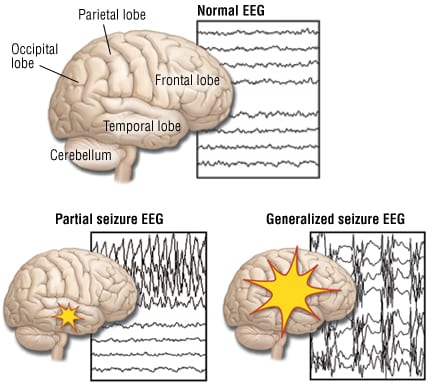
Image: PD

©2022 2 Minute Medicine, Inc. All rights reserved. No works may be reproduced without expressed written consent from 2 Minute Medicine, Inc. Inquire about licensing here. No article should be construed as medical advice and is not intended as such by the authors or by 2 Minute Medicine, Inc.

Tags: angiotensin receptor blocker (ARB)angiotensin-converting enzyme inhibitorbeta blockercalcium channel blocker (CCB)epilepsy
Previous Post

Thrombectomy improves functional outcomes for patients with acute stroke due to basilar artery occlusion

Next Post

Post-acute health care burden after SARS-CoV-2 infection

RelatedReports

Increasing survival rates for patients with acute liver failure
Gastroenterology

Carvedilol linked to lower cirrhosis complication risk

July 6, 2026
Home nursing visits for elderly after hospitalization may reduce short term mortality
Chronic Disease

Physical frailty is associated with increased risk of epilepsy

May 20, 2026
Transthoracic echocardiography can rule out endocarditis in low-risk bacteremic patients
Weekly Rewinds

2 Minute Medicine Rewind May 18, 2026

May 18, 2026
Neurology

Zorevunersen appears safe and may alleviate symptoms in children with Dravet syndrome

April 2, 2026
Next Post
Novel coronavirus identified from patients with pneumonia in Wuhan, China

Post-acute health care burden after SARS-CoV-2 infection

Rapid growth of medical artificial intelligence technology usage identified from insurance claims analysis, yet major barriers to widespread adoption remain

Group-administered recovery programme may help burn-out, fatigue, and poor sleep

Racial, ethnic differences in outcomes of extremely preterm infants decreasing but persistent

Organizational factors increase risk of unplanned extubation in neonatal intensive care unit

2 Minute Medicine® is an award winning, physician-run, expert medical media company. Our content is curated, written and edited by practicing health professionals who have clinical and scientific expertise in their field of reporting. Our editorial management team is comprised of highly-trained MD physicians. Join numerous brands, companies, and hospitals who trust our licensed content.

Recent Reports

  • Praziquantel (Biltricide) is associated with higher cure rate than albendazole (Zentel) in the treatment of clonorchiasis
  • Use of semaglutide for weight control among women of reproductive age is more common in those using hormonal contraception
  • Contaminated drinking water is associated with increased risk of uterine cancer
License Content
Terms of Use | Disclaimer
Cookie Policy
Privacy Statement (EU)
Disclaimer
  • Specialties
    • All Specialties, All Recent Reports
    • Cardiology
    • Chronic Disease
    • Dermatology
    • Emergency
    • Endocrinology
    • Gastroenterology
    • Imaging and Intervention
    • Infectious Disease
    • Nephrology
    • Neurology
    • Obstetrics
    • Oncology
    • Ophthalmology
    • Pediatrics
    • Pharma
    • Preclinical
    • Psychiatry
    • Public Health
    • Pulmonology
    • Rheumatology
    • Surgery
  • Tools
    • EvidencePulse™
    • RVU Search
    • NPI Registry Lookup
  • Pharma
  • AI News
  • The Scan
  • Classics™
    • 2MM+ Online Access
    • Paperback and Ebook
  • Rewinds
  • Partners
    • License Content
    • Submit Press Release
    • Advertise with Us
  • Account
    • Subscribe
    • Sign-in
    • My account
No Result
View All Result

© 2026 2 Minute Medicine, Inc. - Physician-written medical news.