• About
  • Masthead
  • License Content
  • Advertise
  • Submit Press Release
  • RSS/Email List
  • 2MM Podcast
  • Write for us
  • Contact Us
2 Minute Medicine
No Result
View All Result

No products in the cart.

SUBSCRIBE
  • Specialties
    • All Specialties, All Recent Reports
    • Cardiology
    • Chronic Disease
    • Dermatology
    • Emergency
    • Endocrinology
    • Gastroenterology
    • Imaging and Intervention
    • Infectious Disease
    • Nephrology
    • Neurology
    • Obstetrics
    • Oncology
    • Ophthalmology
    • Pediatrics
    • Pharma
    • Preclinical
    • Psychiatry
    • Public Health
    • Pulmonology
    • Rheumatology
    • Surgery
  • Tools
    • EvidencePulse™
    • RVU Search
    • NPI Registry Lookup
  • Pharma
  • AI News
  • The Scan+
  • Classics™+
    • 2MM+ Online Access
    • Paperback and Ebook
  • Rewinds
  • Partners
    • License Content
    • Submit Press Release
    • Advertise with Us
  • Account
    • Subscribe
    • Sign-in
    • My account
2 Minute Medicine
  • Specialties
    • All Specialties, All Recent Reports
    • Cardiology
    • Chronic Disease
    • Dermatology
    • Emergency
    • Endocrinology
    • Gastroenterology
    • Imaging and Intervention
    • Infectious Disease
    • Nephrology
    • Neurology
    • Obstetrics
    • Oncology
    • Ophthalmology
    • Pediatrics
    • Pharma
    • Preclinical
    • Psychiatry
    • Public Health
    • Pulmonology
    • Rheumatology
    • Surgery
  • Tools
    • EvidencePulse™
    • RVU Search
    • NPI Registry Lookup
  • Pharma
  • AI News
  • The Scan+
  • Classics™+
    • 2MM+ Online Access
    • Paperback and Ebook
  • Rewinds
  • Partners
    • License Content
    • Submit Press Release
    • Advertise with Us
  • Account
    • Subscribe
    • Sign-in
    • My account
SUBSCRIBE
2 Minute Medicine
Subscribe
Home All Specialties Chronic Disease

APOE3 Christchurch heterozygosity may delay cognitive impairment in Alzheimer’s disease
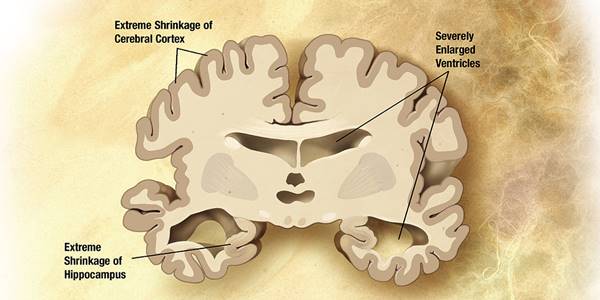
byJunghoon KoandKiera Liblik
June 25, 2024
in Chronic Disease, Neurology
Reading Time: 3 mins read
0
Share on FacebookShare on Twitter

1. Carriers of the E280A variant of presenilin 1 (PSEN1E280A) who were heterozygous for the apolipoprotein E3 Christchurch variant (APOE3Ch) had a lower median age of onset of cognitive impairment and dementia compared to those without APOE3Ch.

2. Carriers of PSEN1E280A with APOE3Ch heterozygosity had limited tau pathologic findings and fewer vascular amyloid pathologic features based on autopsy and positron-emission tomography (PET).

Evidence Rating Level: 2 (Good)

Study Rundown: Individuals with PSEN1E280A, which involves a glutamic acid to alanine mutation at codon 280 in the presenilin 1 gene, are almost certainly destined to develop autosomal dominant Alzheimer’s disease by their mid-to-late 40s. Variants of the apolipoprotein E gene have also been shown to alter the risk of Alzheimer’s disease, with a previous study reporting a delayed onset of mild cognitive impairment (MCI) in an individual with PSEN1E280A and homozygosity for APOE3Ch. A large family of approximately 6000 relatives who carry PSEN1E280A  is well-studied and lives in the department of Antioquia, Columbia. This retrospective cohort study aimed to determine whether heterozygosity for APOE3Ch would delay the age of onset of MCI or dementia among members of the Colombian kindred with the PSEN1E280A variant. Overall, the study demonstrated that carriers of PSEN1E280A who were heterozygous for the APOE3Ch variant had a lower median age of onset of MCI and dementia than those without APOE3Ch. Moreover, carriers of PSEN1E280A with APOE3Ch heterozygosity who underwent PET or autopsy had limited tau pathologic findings and fewer vascular amyloid pathologic features than those without APOE3Ch. The generalizability of these findings is limited by the study’s small sample size and the homogeneity of the population studied. In addition, the precision of the age of onset of MCI and dementia determined by the study may have been affected by irregular gaps in clinical testing.

Click to read the study in NEJM

In-Depth [retrospective cohort]: This retrospective cohort study aimed to determine the effect of APOE3Ch heterozygosity on the age of onset of MCI and Alzheimer’s disease among individuals with the PSEN1E280A variant. From 1995 to 2022, a cohort of 1077 descendants in a Colombian family with PSEN1E280A was assessed. Enrolled participants were 18 years of age or older and underwent regular clinical and neuropsychological testing to be classified as having normal cognitive status, MCI, or dementia. In the cohort of 1077 PSEN1E280A carriers, 121 were carriers of APOE3Ch, and 27 of these individuals were heterozygous for APOE3Ch. Two of these participants had neuroimaging data with PET, and four of them underwent post-mortem brain examinations. To assess the time to MCI or dementia, individuals with APOE3Ch were matched with non-carriers according to sex, educational level, and APOE genotype. Overall, among carriers with PSEN1E280A, the median age of onset of cognitive impairment was 52 years (95% Confidence Interval [CI], 51 to 58) in the group of individuals with APOE3Ch heterozygosity versus 47 years (95% CI, 47 to 49) in the matched group of carriers without APOE3Ch. The median age of onset of dementia among those with APOE3Ch heterozygosity was 54 years (95% CI, 49 to 57) compared to 50 years (95% CI, 48 to 51) for those without APOE3Ch. The PET imaging in the two PSEN1E280A carriers with APOE3Ch heterozygosity showed limited tau pathologic findings and relatively preserved glucose metabolism. Moreover, the four individuals who underwent autopsy also exhibited a relatively limited tau burden and fewer vascular amyloid pathologic features than those without the APOE3Ch variant despite a greater amyloid-beta plaque burden. In summary, this study demonstrated a delayed onset of cognitive impairment and dementia in individuals with APOE3Ch heterozygosity and PSEN1E280A.

RELATED REPORTS

Transcranial ultrasound stimulation may modulate acute heat pain perception

Early control of systolic blood pressure following intracerebral hemorrhage may improve functional recovery

α-synuclein pathology is associated with faster tau accumulation in women

Image: PD

©2024 2 Minute Medicine, Inc. All rights reserved. No works may be reproduced without expressed written consent from 2 Minute Medicine, Inc. Inquire about licensing here. No article should be construed as medical advice and is not intended as such by the authors or by 2 Minute Medicine, Inc.

Tags: Alzheimer'sAlzheimer’s diseaseAPOE3 ChristchurchAPOE3 Christchurch heterozygositychronic diseaseneurology
Previous Post

#VisualAbstract: Stress Ulcer Prophylaxis Lowers Risk of Gastrointestinal (GI) Bleed during Invasive Mechanical Ventilation

Next Post

Taysha Gene Therapies: TSHA-102 Gene Therapy Improves Quality of Life in Patients with Rett Syndrome

RelatedReports

Brain lesions on MRI linked with subsequent increased stroke risk
Imaging and Intervention

Transcranial ultrasound stimulation may modulate acute heat pain perception

April 20, 2026
No difference in mortality for intensive versus standard reduction in blood pressure in intracerebral hemorrhage: The ATACH-2 trial
Emergency

Early control of systolic blood pressure following intracerebral hemorrhage may improve functional recovery

March 24, 2026
Chronic Disease

α-synuclein pathology is associated with faster tau accumulation in women

March 13, 2026
High-intensity treadmill exercise may slow progression of motor symptoms in early Parkinson’s disease
Chronic Disease

Visual perturbation training may be superior to treadmill training for reduction of fall risk in Parkinson’s disease

March 10, 2026
Next Post
Oophorectomy associated with reduced cancer risk and all-cause mortality for BRCA1/2 patients

Taysha Gene Therapies: TSHA-102 Gene Therapy Improves Quality of Life in Patients with Rett Syndrome

Age and number of islet autoantibodies associated with diabetes risk

Anti-CD38 monoclonal antibody improves platelet counts in immune thrombocytopenia

Brain lesions on MRI linked with subsequent increased stroke risk

Brigatinib decreases the size of NF2-related progressive tumors

2 Minute Medicine® is an award winning, physician-run, expert medical media company. Our content is curated, written and edited by practicing health professionals who have clinical and scientific expertise in their field of reporting. Our editorial management team is comprised of highly-trained MD physicians. Join numerous brands, companies, and hospitals who trust our licensed content.

Recent Reports

  • Physical therapy yields modest improvements in chronic low back pain
  • Proximal hypoglossal nerve stimulation found effective for obstructive sleep apnea
  • Transcranial ultrasound stimulation may modulate acute heat pain perception
License Content
Terms of Use | Disclaimer
Cookie Policy
Privacy Statement (EU)
Disclaimer

The Classics in Medicine Paperback Released!

Over the past 30 years, the transition from print to digital media has contributed to an exponential increase in medical literature. In response, 2 Minute Medicine presents 160+ authoritative, physician-written summaries of the most cited landmark trials in medicine.

amazon-logo_blackGet-it-on-iBooks-badge

Click anywhere to close this announcement

  • Specialties
    • All Specialties, All Recent Reports
    • Cardiology
    • Chronic Disease
    • Dermatology
    • Emergency
    • Endocrinology
    • Gastroenterology
    • Imaging and Intervention
    • Infectious Disease
    • Nephrology
    • Neurology
    • Obstetrics
    • Oncology
    • Ophthalmology
    • Pediatrics
    • Pharma
    • Preclinical
    • Psychiatry
    • Public Health
    • Pulmonology
    • Rheumatology
    • Surgery
  • Tools
    • EvidencePulse™
    • RVU Search
    • NPI Registry Lookup
  • Pharma
  • AI News
  • The Scan
  • Classics™
    • 2MM+ Online Access
    • Paperback and Ebook
  • Rewinds
  • Partners
    • License Content
    • Submit Press Release
    • Advertise with Us
  • Account
    • Subscribe
    • Sign-in
    • My account
No Result
View All Result

© 2026 2 Minute Medicine, Inc. - Physician-written medical news.