• About
  • Masthead
  • License Content
  • Advertise
  • Submit Press Release
  • RSS/Email List
  • 2MM Podcast
  • Write for us
  • Contact Us
2 Minute Medicine
No Result
View All Result

No products in the cart.

SUBSCRIBE
  • Specialties
    • All Specialties, All Recent Reports
    • Cardiology
    • Chronic Disease
    • Dermatology
    • Emergency
    • Endocrinology
    • Gastroenterology
    • Imaging and Intervention
    • Infectious Disease
    • Nephrology
    • Neurology
    • Obstetrics
    • Oncology
    • Ophthalmology
    • Pediatrics
    • Pharma
    • Preclinical
    • Psychiatry
    • Public Health
    • Pulmonology
    • Rheumatology
    • Surgery
  • Tools
    • EvidencePulse™
    • RVU Search
    • NPI Registry Lookup
  • Pharma
  • AI News
  • The Scan+
  • Classics™+
    • 2MM+ Online Access
    • Paperback and Ebook
  • Rewinds
  • Partners
    • License Content
    • Submit Press Release
    • Advertise with Us
  • Account
    • Subscribe
    • Sign-in
    • My account
2 Minute Medicine
  • Specialties
    • All Specialties, All Recent Reports
    • Cardiology
    • Chronic Disease
    • Dermatology
    • Emergency
    • Endocrinology
    • Gastroenterology
    • Imaging and Intervention
    • Infectious Disease
    • Nephrology
    • Neurology
    • Obstetrics
    • Oncology
    • Ophthalmology
    • Pediatrics
    • Pharma
    • Preclinical
    • Psychiatry
    • Public Health
    • Pulmonology
    • Rheumatology
    • Surgery
  • Tools
    • EvidencePulse™
    • RVU Search
    • NPI Registry Lookup
  • Pharma
  • AI News
  • The Scan+
  • Classics™+
    • 2MM+ Online Access
    • Paperback and Ebook
  • Rewinds
  • Partners
    • License Content
    • Submit Press Release
    • Advertise with Us
  • Account
    • Subscribe
    • Sign-in
    • My account
SUBSCRIBE
2 Minute Medicine
Subscribe
Home All Specialties Cardiology

Common therapeutic target for heart failure, chronic kidney disease, and hypertension: the carotid body and sympathetic regulation

bys25qthea
December 17, 2012
in Cardiology, Surgery
Reading Time: 3 mins read
0
Share on FacebookShare on Twitter

[tabs tab1= “2MM Full Report” tab2=”About the Authors”]

[tab]

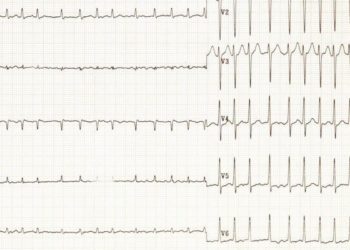
Image: PD

1. Patients with heart failure, chronic kidney disease, and hypertension demonstrate increased chemosensitivity in the carotid body, contributing to increased sympathetic activation.

2. Degree of autonomic dysregulation correlated with functional status and mortality.

3. In animal and human models, removal of the carotid body “reset” the sympathetic activation and improved vascular tone.

RELATED REPORTS

Two scores for risk stratification of adults presenting with syncope may be effective at identifying those with low risk

Resuscitative endovascular balloon occlusion of the aorta may not improve outcomes in adults with non-traumatic out-of-hospital cardiac arrest

Sparsentan (Filspari) becomes first approved treatment for focal segmental glomerulosclerosis

Primer: The carotid body, a highly vascular organ at the bifurcation of the common carotid arteries, can be conceptualized as a “sympathetic thermostat” of the human body. Through chemoreceptors that sense levels of hypoxia, CO2 concentration, blood glucose, and perfusion, the carotid body sends afferent signals to the nucleus tractus solitarius and rostral ventrolateral medulla oblongata that mediate sympathoactivation throughout the body. The downstream effects of increased sympathetic tone are decreased perfusion to the kidneys, activating the renin-angiotensin system leading to fluid retention, increased vascular tone via contraction of smooth muscles in blood vessels, and increased minute ventilation via increased respiratory drive.

In heart failure, chronic kidney disease, and hypertension, the chemoreceptors of the carotid body are chronically activated and become hyperactive at baseline. In this way, the sympathetic thermostat is “reset.” This new equilibrium is maladaptive, leading to chronic volume overload, vasoconstriction, dyspnea, and exercise intolerance.

Surgery removing the carotid body to correct this disequilibrium has been performed since the 1940s. Recently autonomic targets have become an area of interest again, with procedures such as deep brain stimulation, renal denervation, and direct stimulation of the vagus nerve joining the arsenal of approaches.

This [basic science article]: discusses several recent experiments. Notable findings among them:

Interrupting afferent nerves of the carotid body resulted in significant blood pressure reduction in both developing and adult spontaneously hypertensive rats but no changes of pressure in normotensive animals. (Read more: Hypertension is critically dependent on the carotid body input in the spontaneously hypertensive rat)

Among patients in heart failure with the same left ventricular ejection fraction, patients with increased chemosensitivity were more symptomatic by New York Health Association class. They also had higher brain natriuretic peptides, more prevalent Cheyne-Stokes respirations, more ventricular arrythmias, and a four-year survival of 49% compared to 100% for patients with normal chemosensitivity. (Read more: Peripheral Chemoreceptor Hypersensitivity: An Ominous Sign in Patients With Chronic Heart Failure)

Approximately 15000 carotid body removals and denervations have been performed, 5600 of whose results and complications have been published. Overall frequency of adverse events (hypotension, headache, hemiparesis, hypoglossus paresis, vessel injury) was <3%.

In sum: Removing the carotid body shows promise in ameliorating sympathetic overdrive, a common contributor to disease in heart failure, chronic kidney disease, and hypertension.

Click to read the article in Hypertension

More from this writer: CABG better rates of survival than PCI in diabetic patients ,  Modifying mitral valve structure concurrently with coronary bypass helps post-MI patients optimize cardiac function and improve functional status 

By [GS] and [AH]

© 2013 2minutemedicine.com. All rights reserved. No works may be reproduced without written consent from 2minutemedicine.com. Disclaimer: We present factual information directly from peer reviewed medical journals. No post should be construed as medical advice and is not intended as such by the authors or by 2minutemedicine.com. PLEASE SEE A HEALTHCARE PROVIDER IN YOUR AREA IF YOU SEEK MEDICAL ADVICE OF ANY SORT. Content is produced in accordance with fair use copyrights solely and strictly for the purpose of teaching, news and criticism. No benefit, monetary or otherwise, is realized by any participants or the owner of this domain.

[/tab]

[tab]

1f636eeGina Siddiqui: Gina is a 3rd year M.D. candidate at the University of Pennsylvania.


Allen Ho: Allen is a 4th year M.D. candidate at Harvard Medical School.


[/tab]

[/tabs]

Tags: cardiologycarotid bodyheart failurehypertensionkidney diseaseSurgery
Previous Post

The ECASS III trial: Administering recombinant t-PA up to 4.5 hours after onset of acute ischemic stroke improves neurological outcomes [Classics Series]

Next Post

[Researcher Comment] Dietary salt intake associated with greater consumption of sugar-sweetened beverages in children

RelatedReports

Computed tomography improves diagnostic certainty in the emergency department
Cardiology

Two scores for risk stratification of adults presenting with syncope may be effective at identifying those with low risk

May 29, 2026
Antiarrhythmic drugs have no survival benefit in shock-refractory out-of-hospital cardiac arrest
Cardiology

Resuscitative endovascular balloon occlusion of the aorta may not improve outcomes in adults with non-traumatic out-of-hospital cardiac arrest

May 14, 2026
Tenofovir disoprovil fumarate HIV prophylaxis linked with minimal kidney impact
Nephrology

Sparsentan (Filspari) becomes first approved treatment for focal segmental glomerulosclerosis

May 6, 2026
Single-site robotic cholecystectomy is safe, but technically challenging
Gastroenterology

A robotic approach for ventral hernia repair may improve postoperative outcomes

May 4, 2026
Next Post

[Researcher Comment] Dietary salt intake associated with greater consumption of sugar-sweetened beverages in children

[Researcher Comment] Teen dating violence is associated with adverse health outcomes

Visual impairment is increasing among American adults

2 Minute Medicine® is an award winning, physician-run, expert medical media company. Our content is curated, written and edited by practicing health professionals who have clinical and scientific expertise in their field of reporting. Our editorial management team is comprised of highly-trained MD physicians. Join numerous brands, companies, and hospitals who trust our licensed content.

Recent Reports

  • Guselkumab (Tremfya) strengthens its case for protecting joints in psoriatic arthritis
  • Why Pfizer Is Looking East for Its Next Generation of Cancer Drugs
  • 2MM: Pharma Roundup – Pfizer’s $10.5B Innovent oncology partnership, Guselkumab (Tremfya) gains a broader psoriatic arthritis label, Venetoclax (Venclyxto) expands first-line CLL options, and Seladelpar (Livdelzi) advances in primary biliary cholangitis
License Content
Terms of Use | Disclaimer
Cookie Policy
Privacy Statement (EU)
Disclaimer
  • Specialties
    • All Specialties, All Recent Reports
    • Cardiology
    • Chronic Disease
    • Dermatology
    • Emergency
    • Endocrinology
    • Gastroenterology
    • Imaging and Intervention
    • Infectious Disease
    • Nephrology
    • Neurology
    • Obstetrics
    • Oncology
    • Ophthalmology
    • Pediatrics
    • Pharma
    • Preclinical
    • Psychiatry
    • Public Health
    • Pulmonology
    • Rheumatology
    • Surgery
  • Tools
    • EvidencePulse™
    • RVU Search
    • NPI Registry Lookup
  • Pharma
  • AI News
  • The Scan
  • Classics™
    • 2MM+ Online Access
    • Paperback and Ebook
  • Rewinds
  • Partners
    • License Content
    • Submit Press Release
    • Advertise with Us
  • Account
    • Subscribe
    • Sign-in
    • My account
No Result
View All Result

© 2026 2 Minute Medicine, Inc. - Physician-written medical news.