• About
  • Masthead
  • License Content
  • Advertise
  • Submit Press Release
  • RSS/Email List
  • 2MM Podcast
  • Write for us
  • Contact Us
2 Minute Medicine
No Result
View All Result

No products in the cart.

SUBSCRIBE
  • About
  • Specialties
    • All Specialties, All Recent Reports
    • Cardiology
    • Chronic Disease
    • Dermatology
    • Emergency
    • Endocrinology
    • Gastroenterology
    • Imaging and Intervention
    • Infectious Disease
    • Nephrology
    • Neurology
    • Obstetrics
    • Oncology
    • Ophthalmology
    • Pediatrics
    • Pharma
    • Preclinical
    • Psychiatry
    • Public Health
    • Pulmonology
    • Rheumatology
    • Surgery
  • Tools+
    • EvidencePulse™
    • HypeCheck™
    • NPI Registry Lookup
    • RVU Search
  • Pharma
  • AI Roundup
  • The Scan+
  • Classics™+
    • 2MM+ Online Access
    • Paperback and Ebook
  • Rewinds
  • Partners
    • License Content
    • Submit Press Release
    • Advertise with Us
  • Account
    • Subscribe
    • My account
    • Cart
    • Sign in
2 Minute Medicine
  • About
  • Specialties
    • All Specialties, All Recent Reports
    • Cardiology
    • Chronic Disease
    • Dermatology
    • Emergency
    • Endocrinology
    • Gastroenterology
    • Imaging and Intervention
    • Infectious Disease
    • Nephrology
    • Neurology
    • Obstetrics
    • Oncology
    • Ophthalmology
    • Pediatrics
    • Pharma
    • Preclinical
    • Psychiatry
    • Public Health
    • Pulmonology
    • Rheumatology
    • Surgery
  • Tools+
    • EvidencePulse™
    • HypeCheck™
    • NPI Registry Lookup
    • RVU Search
  • Pharma
  • AI Roundup
  • The Scan+
  • Classics™+
    • 2MM+ Online Access
    • Paperback and Ebook
  • Rewinds
  • Partners
    • License Content
    • Submit Press Release
    • Advertise with Us
  • Account
    • Subscribe
    • My account
    • Cart
    • Sign in
SUBSCRIBE
2 Minute Medicine
Subscribe
EvidencePulse™ by 2 Minute Medicine 2026 evidence scan 3 reports You asked top stroke trials 2026 Synthesizing medical evidence... Top 2026 stroke trial results: OCEANIC — ischemic stroke: 6.2% vs 8.4% OPTION* — mRS 0–1: 43.6% vs 34.2% ORIENTAL* — mRS 0–2: 58.6% vs 46.6% *Higher sICH in intervention arms Participants randomizedN OCEANIC 12,327 OPTION 570 ORIENTAL 564 Ask about guidelines or landmark trials... ↑ Try EvidencePulse™ Ask the evidence.
Get the signal.
Try it now → Physician-trained medical AI by 2 Minute Medicine
Home All Specialties Emergency

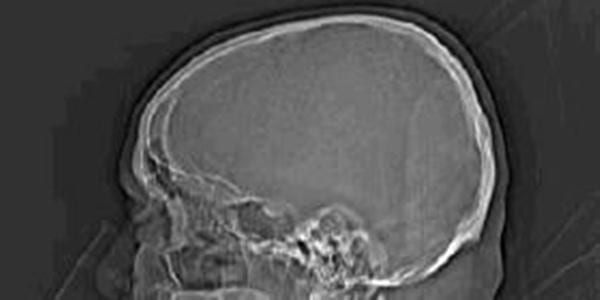
Craniotomy and decompressive craniectomy comparable in managing acute subdural hematoma
byNhat Hung (Benjamin) LamandKiera Liblik
June 26, 2023
in Emergency, Neurology, Surgery
Reading Time: 2 mins read
Brain injuries linked with increased military suicide risk
Share on FacebookShare on Twitter

1. In this randomized controlled trial, craniotomy and decompressive craniectomy resulted in similar disability and quality-of-life outcomes for patients following traumatic acute subdural hematoma.

2. Additional surgery was performed more frequently after craniotomy, but craniectomy was associated with more wound complications.

Evidence Rating Level: 1 (Excellent)

Study Rundown: Post-traumatic subdural hematoma is associated with high risks of mortality and disability, requiring urgent surgical evacuation. This is often associated with brain tissue injury, and brain swelling may occur intraoperatively, precluding bone flap replacement. Primary decompressive craniectomy, without bone flap replacement, is performed to pre-empt this complication and prevent intracranial hypertension. However, little evidence exists to support decompressive craniectomy over craniotomy when intraoperative brain swelling is absent. The current study was a pragmatic randomized trial to compare craniotomy and craniectomy to treat traumatic acute subdural hematoma, where a bone flap measured 11cm in diameter or greater. By 12 months, both groups had similar rates of mortality and disability and comparable quality-of-life measures. The craniotomy group underwent additional surgery within two weeks following the primary intervention more frequently than the craniectomy group. Conversely, wound-related complications and infections occurred more often in the craniectomy group. Although these results were obtained via questionnaires and telephone interviews rather than direct clinical examination and personal interviews, they demonstrated that craniotomy may be comparable to decompressive craniectomy in treating traumatic acute subdural hematoma.

Click here to read the study in NEJM

In-Depth [randomized controlled trial]: The current randomized controlled trial compared craniotomy to decompressive craniectomy for patients undergoing evacuation of an acute subdural hematoma. Patients older than 16 years of age who had an acute subdural hematoma warranting evacuation were eligible for inclusion. Exclusion criteria included bilateral acute subdural hematomas and severe pre-existing disability. In total, 228 and 222 patients were assigned to the craniotomy and decompressive craniectomy groups, respectively. The craniotomy group then had their bone flap replaced and fixed to the surrounding skill, whereas the craniectomy group had their bone flap left out. The primary outcome was the rating on the Extended Glasgow Outcome Scale (GOSE) at 12 months after the injury to assess for disability. Secondary outcomes included the EuroQol Group 5-Dimension 5-Level questionnaire (EQ-5D-5L) within two weeks of randomization. The median diameter of the bone flap was 13cm in both groups. The odds ratio for the differences between the two groups in GOSE ratings at 12 months was 0.85 (95% Confidence Interval [CI], 0.60 to 1.18; p=0.32). By 12 months, the mortality rate was 30.2% in the craniotomy group and 32.2% in the craniectomy group. Lower or upper good recovery based on GOSE was 25.6% in the craniotomy group and 19.9% in the craniectomy group. EQ-5D-5L scores were comparable between the two groups at 12 months. Notably, within two weeks of randomization, 14.6% of patients in the craniotomy group underwent further cranial surgery, compared to 6.9% in the craniectomy group. This trial demonstrated that in patients undergoing evacuation of post-traumatic subdural hematoma, craniotomy and decompressive craniectomy are comparable in disability and quality of life outcomes.

RELATED REPORTS

Artificial intelligence (AI)-supported symptom self-assessment led to more appropriate patient care-seeking decisions

Dexmedetomidine (Precedex) may offer similar analgesic efficacy as remifentanil (Ultiva) with fewer adverse effects in adults undergoing sleeve gastrectomy

Emergency department triaging decisions supported by artificial intelligence (AI) led to improved triaging accuracy and patient flow

Image: PD

©2023 2 Minute Medicine, Inc. All rights reserved. No works may be reproduced without expressed written consent from 2 Minute Medicine, Inc. Inquire about licensing here. No article should be construed as medical advice and is not intended as such by the authors or by 2 Minute Medicine, Inc.

Tags: acute subdural hematomacraniectomyCraniotomydecompressive craniectomyemergencyhematomaneurologySubdural HematomaSurgerytraumatraumatic acute subdural hematoma
Previous Post

Heart transplantation after circulatory death noninferior to standard-care transplantation

Next Post

Defunctioning stoma in anterior resection for rectal cancer does not impact anastomotic leakage

RelatedReports

Artificial Intelligence

Artificial intelligence (AI)-supported symptom self-assessment led to more appropriate patient care-seeking decisions

October 7, 2026
Gastroenterology

Dexmedetomidine (Precedex) may offer similar analgesic efficacy as remifentanil (Ultiva) with fewer adverse effects in adults undergoing sleeve gastrectomy

October 6, 2026
Artificial Intelligence

Emergency department triaging decisions supported by artificial intelligence (AI) led to improved triaging accuracy and patient flow

September 21, 2026
Emergency

A lower threshold for referral to the emergency department for outpatient hyperkalemia may reduce mortality

September 16, 2026
Next Post
Survival greater in cervical cancer patients undergoing abdominal hysterectomy compared to minimally invasive techniques: the LACC trial

Defunctioning stoma in anterior resection for rectal cancer does not impact anastomotic leakage

Adolescents’ muscle strength associated with lower cardiometabolic risk

Physical activity improves mental well-being after traumatic events

The Scan by 2 Minute Medicine®:  Ultra-Trail du Mont-Blanc, Taylor Swift, NBA rookie Chet Holmgren and Magic Mushrooms!

The Scan by 2 Minute Medicine®: Veozah for Hot Flashes, Affordable Care Act Mandate for Preventive Care, Pride Month, and RSV Drug for Infants

EvidencePulse™ by 2 Minute Medicine 2026 evidence scan 3 reports You asked top stroke trials 2026 Synthesizing medical evidence... Top 2026 stroke trial results: OCEANIC — ischemic stroke: 6.2% vs 8.4% OPTION* — mRS 0–1: 43.6% vs 34.2% ORIENTAL* — mRS 0–2: 58.6% vs 46.6% *Higher sICH in intervention arms Participants randomizedN OCEANIC 12,327 OPTION 570 ORIENTAL 564 Ask about guidelines or landmark trials... ↑ Try EvidencePulse™ Get the signal. Try it now → Physician-trained medical AI by 2 Minute Medicine

2MM+ All Access

Full details →
$4.99 /month

3-day free trial · cancel anytime

  • ✓100+ physician-written reports
  • ✓EvidencePulse™ + HypeCheck™
  • ✓Ad-free reading + newsletters
Start 3-day free trial

Then $4.99/month. Manage renewal in your account.

2 Minute Medicine® is an award winning, physician-run, expert medical media company. Our content is curated, written and edited by practicing health professionals who have clinical and scientific expertise in their field of reporting. Our editorial management team is comprised of highly-trained MD physicians. Join numerous brands, companies, and hospitals who trust our licensed content.

Recent Reports

  • Gepotidacin (Blujepa) is safe and effective in women with uncomplicated urinary tract infections
  • Most routine blood tests do not require prolonged fasting
  • Pairing cardiac magnetic resonance with electrocardiograms (ECGs) improved artificial intelligence (AI) assessments of cardiovascular diseases
License Content
Terms of Use | Disclaimer
Cookie Policy
Cleantalk Pixel
2MM+ All Access Full details →

The medical literature, distilled daily.

Monthly plan selected: $4.99 /month.

$4.99/month

3-day free trial · cancel anytime

Start 3-day free trial

Then $4.99/month. Manage renewal in your account.

Yearly plan selected: $49.90 /year.

$49.90/year

2 months free

Start 3-day free trial

Then $49.90/year.

Membership benefits

  • ✓100+ physician-written reports
  • ✓AI EvidencePulse™ + HypeCheck™
  • ✓Ad-free reading + newsletters

Already a member? Sign in

  • About
  • Specialties
    • All Specialties, All Recent Reports
    • Cardiology
    • Chronic Disease
    • Dermatology
    • Emergency
    • Endocrinology
    • Gastroenterology
    • Imaging and Intervention
    • Infectious Disease
    • Nephrology
    • Neurology
    • Obstetrics
    • Oncology
    • Ophthalmology
    • Pediatrics
    • Pharma
    • Preclinical
    • Psychiatry
    • Public Health
    • Pulmonology
    • Rheumatology
    • Surgery
  • Tools
    • EvidencePulse™
    • HypeCheck™
    • NPI Registry Lookup
    • RVU Search
  • Pharma
  • AI Roundup
  • The Scan
  • Classics™
    • 2MM+ Online Access
    • Paperback and Ebook
  • Rewinds
  • Partners
    • License Content
    • Submit Press Release
    • Advertise with Us
  • Account
    • Subscribe
    • My account
    • Cart
    • Sign in
No Result
View All Result

© 2026 2 Minute Medicine, Inc. - Physician-written medical news.