• About
  • Masthead
  • License Content
  • Advertise
  • Submit Press Release
  • RSS/Email List
  • 2MM Podcast
  • Write for us
  • Contact Us
2 Minute Medicine
No Result
View All Result

No products in the cart.

SUBSCRIBE
  • Specialties
    • All Specialties, All Recent Reports
    • Cardiology
    • Chronic Disease
    • Dermatology
    • Emergency
    • Endocrinology
    • Gastroenterology
    • Imaging and Intervention
    • Infectious Disease
    • Nephrology
    • Neurology
    • Obstetrics
    • Oncology
    • Ophthalmology
    • Pediatrics
    • Pharma
    • Preclinical
    • Psychiatry
    • Public Health
    • Pulmonology
    • Rheumatology
    • Surgery
  • Tools
    • EvidencePulse™
    • RVU Search
    • NPI Registry Lookup
  • Pharma
  • AI News
  • The Scan+
  • Classics™+
    • 2MM+ Online Access
    • Paperback and Ebook
  • Rewinds
  • Partners
    • License Content
    • Submit Press Release
    • Advertise with Us
  • Account
    • Subscribe
    • Sign-in
    • My account
2 Minute Medicine
  • Specialties
    • All Specialties, All Recent Reports
    • Cardiology
    • Chronic Disease
    • Dermatology
    • Emergency
    • Endocrinology
    • Gastroenterology
    • Imaging and Intervention
    • Infectious Disease
    • Nephrology
    • Neurology
    • Obstetrics
    • Oncology
    • Ophthalmology
    • Pediatrics
    • Pharma
    • Preclinical
    • Psychiatry
    • Public Health
    • Pulmonology
    • Rheumatology
    • Surgery
  • Tools
    • EvidencePulse™
    • RVU Search
    • NPI Registry Lookup
  • Pharma
  • AI News
  • The Scan+
  • Classics™+
    • 2MM+ Online Access
    • Paperback and Ebook
  • Rewinds
  • Partners
    • License Content
    • Submit Press Release
    • Advertise with Us
  • Account
    • Subscribe
    • Sign-in
    • My account
SUBSCRIBE
2 Minute Medicine
Subscribe
Home All Specialties Emergency

Delayed tenecteplase use improves recovery in ischemic stroke
byNhat Hung (Benjamin) LamandKiera Liblik
July 30, 2024
in Emergency, Neurology
Reading Time: 2 mins read
0
Share on FacebookShare on Twitter

1. In this randomized controlled trial, among patients with ischemic stroke without access to thrombectomy, tenecteplase given between 4.5 and 24 hours after onset demonstrated improved disability-free survival.

2. Tenecteplase was associated with an elevated risk of symptomatic intracranial hemorrhage (ICH) compared to standard medical therapy. 

Evidence Rating Level: 1 (Excellent)

Study Rundown: Timely treatment is critical in patients with ischemic stroke, with endovascular thrombectomy demonstrating benefits when performed up to 24 hours following onset. In those without access to this intervention, intravenous thrombolytics, namely alteplase, are effective when started up to nine hours following onset. In previous studies, tenecteplase has been demonstrated to be noninferior to alteplase at up to 4.5 hours after onset, but limited evidence exists for its use beyond this time point. The present trial investigated tenecteplase initiated between 4.5 and 24 hours after onset for patients with ischemic stroke and salvageable brain tissue who were without access to thrombectomy. Compared to standard medical therapy, tenecteplase resulted in similar survival rates but was associated with less disability by 90 days. However, tenecteplase was also associated with an elevated risk of symptomatic ICH compared to standard management. The study was limited by its open-label design, distinct patient characteristics as recruitment was exclusively in China, and overall milder stroke severity than other late-window trials. Nevertheless, these findings demonstrated a potential benefit for initiating tenecteplase beyond 4.5 hours following ischemic strokes in patients without immediate access to thrombectomy.

Click here to read the study in NEJM

Relevant Reading: Tenecteplase for Stroke at 4.5 to 24 Hours with Perfusion-Imaging Selection

RELATED REPORTS

Physical frailty is associated with increased risk of epilepsy

Adjuvanted influenza vaccines and high-dose influenza vaccines may have similar effectiveness in adult patients

Resuscitative endovascular balloon occlusion of the aorta may not improve outcomes in adults with non-traumatic out-of-hospital cardiac arrest

In-Depth [randomized controlled trial]: This randomized controlled trial assessed the effect of tenecteplase initiated late in patients with ischemic stroke without access to thrombectomy. Patients 18 years of age and older who had had a stroke and presented within 4.5 to 24 hours with evidence of salvageable brain tissue on perfusion imaging were eligible for inclusion. Exclusion criteria included endovascular thrombectomy planned at randomization and guideline-based contraindications to thrombolytic. A total of 516 patients were randomized 1:1 to receive either tenecteplase or standard medical treatment. The primary outcome was the absence of disability at 90 days. By 90 days, the tenecteplase group had a higher percentage of patients without disability (33.0%) compared to the standard medical treatment group (24.2%) (relative rate, [RR] 1.37; 95% Confidence Interval [CI], 1.04-1.81; p=0.03). Accordingly, more patients receiving tenecteplase (43.6%) reported functional independence compared to those receiving standard treatment (33.3%). Similar trends favoring tenecteplase were observed in the reperfusion rate at 24 hours (RR, 1.70; 95% CI, 1.10-2.64). Mortality at 90 days was comparable between the two groups: 13.3% for tenecteplase and 13.1% for standard medical treatment (RR, 1.01; 95% CI, 0.65-1.58). Notably, tenecteplase was associated with a higher incidence of symptomatic ICH within 36 hours of randomization (8 patients, 3%) compared to standard medical treatment (2 patients, 0.2%). These results suggested that for patients with ischemic stroke who presented at 4.5 to 24 hours and did not have access to thrombectomy, treatment with tenecteplase could improve disability and functional outcomes.

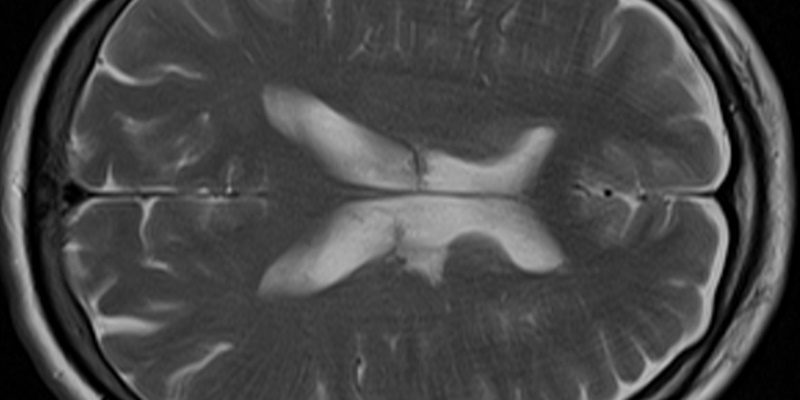
Image: PD

©2024 2 Minute Medicine, Inc. All rights reserved. No works may be reproduced without expressed written consent from 2 Minute Medicine, Inc. Inquire about licensing here. No article should be construed as medical advice and is not intended as such by the authors or by 2 Minute Medicine, Inc.

Tags: acute ischemic strokedelayed tenecteplaseemergencyintracranial hemorrhageischemic strokeneurologystroketenecteplase
Previous Post

#VisualAbstract: Oral Nirmatrelvir-Ritonavir Postexposure Prophylaxis Does Not Reduce the Risk of Developing Symptomatic Covid-19

Next Post

Sintilimab improves survival in advanced non-metastatic nasopharyngeal carcinoma

RelatedReports

Home nursing visits for elderly after hospitalization may reduce short term mortality
Chronic Disease

Physical frailty is associated with increased risk of epilepsy

May 20, 2026
Live attenuated vaccine less effective in recent influenza season
Emergency

Adjuvanted influenza vaccines and high-dose influenza vaccines may have similar effectiveness in adult patients

May 15, 2026
Antiarrhythmic drugs have no survival benefit in shock-refractory out-of-hospital cardiac arrest
Cardiology

Resuscitative endovascular balloon occlusion of the aorta may not improve outcomes in adults with non-traumatic out-of-hospital cardiac arrest

May 14, 2026
Non-alcoholic fatty liver disease and risk of incident acute myocardial infarction and stroke: findings from matched cohort study of 18 million European adults
Neurology

Tenecteplase (TNKase) may worsen functional outcomes in older patients with minor ischemic stroke

April 24, 2026
Next Post
Survivors of adult-onset cancers associated with increased incidence of cardiovascular disease

Sintilimab improves survival in advanced non-metastatic nasopharyngeal carcinoma

Lisinopril and carvedilol reduce cardiotoxicity in breast cancer patients receiving trastuzumab and anthracyclines

Use of fluoroquinolones and may increase the risk of aortic and mitral regurgitation

#VisualAbstract: Antihypertensive Treatment is Effective for Target Organ Protection in Patients with Masked Hypertension

#VisualAbstract: Antihypertensive Treatment is Effective for Target Organ Protection in Patients with Masked Hypertension

2 Minute Medicine® is an award winning, physician-run, expert medical media company. Our content is curated, written and edited by practicing health professionals who have clinical and scientific expertise in their field of reporting. Our editorial management team is comprised of highly-trained MD physicians. Join numerous brands, companies, and hospitals who trust our licensed content.

Recent Reports

  • Immunosuppression with systemic glucocorticoids close to initiation of immune checkpoint inhibitor is associated with worse survival outcomes
  • Tirzepatide improves blood sugar control in metformin-refractory type 2 diabetes
  • 2 Minute Medicine Rewind May 25, 2026
License Content
Terms of Use | Disclaimer
Cookie Policy
Privacy Statement (EU)
Disclaimer
  • Specialties
    • All Specialties, All Recent Reports
    • Cardiology
    • Chronic Disease
    • Dermatology
    • Emergency
    • Endocrinology
    • Gastroenterology
    • Imaging and Intervention
    • Infectious Disease
    • Nephrology
    • Neurology
    • Obstetrics
    • Oncology
    • Ophthalmology
    • Pediatrics
    • Pharma
    • Preclinical
    • Psychiatry
    • Public Health
    • Pulmonology
    • Rheumatology
    • Surgery
  • Tools
    • EvidencePulse™
    • RVU Search
    • NPI Registry Lookup
  • Pharma
  • AI News
  • The Scan
  • Classics™
    • 2MM+ Online Access
    • Paperback and Ebook
  • Rewinds
  • Partners
    • License Content
    • Submit Press Release
    • Advertise with Us
  • Account
    • Subscribe
    • Sign-in
    • My account
No Result
View All Result

© 2026 2 Minute Medicine, Inc. - Physician-written medical news.