• About
  • Masthead
  • License Content
  • Advertise
  • Press Releases
  • Newsroom
  • RSS/Email List
  • 2MM Podcast
  • Write for us
  • Contact Us
2 Minute Medicine
No Result
View All Result

No products in the cart.

Sign in
SUBSCRIBE
  • About
  • Specialties
    • All Specialties, All Recent Reports
    • Cardiology
    • Chronic Disease
    • Dermatology
    • Emergency
    • Endocrinology
    • Gastroenterology
    • Imaging and Intervention
    • Infectious Disease
    • Nephrology
    • Neurology
    • Obstetrics
    • Oncology
    • Ophthalmology
    • Pediatrics
    • Pharma
    • Preclinical
    • Psychiatry
    • Public Health
    • Pulmonology
    • Rheumatology
    • Surgery
    • Rewinds
    • The Scan
  • EvidencePulse™
  • HypeCheck™
  • AI News
  • Classics™
    • 2MM+ Online Access
    • Paperback and Ebook
  • Tools
    • NPI Registry Lookup
    • RVU Search
    • Physician Pay by Specialty
    • ICD-10 Code Lookup
    • FDA Drug Approvals
    • Drug Safety for Breastfeeding/Pregnancy
    • Clinical Guidelines
    • Medical Calculators
    • ECG Reference
      • QTc Calculator
      • Sgarbossa Criteria
      • ECG Axis Calculator
      • AV Block Helper
  • Rankings
    • Medical School Rankings
    • Residency Rankings
  • Partners
    • License Content
    • Advertise with Us
2 Minute Medicine
  • About
  • Specialties
    • All Specialties, All Recent Reports
    • Cardiology
    • Chronic Disease
    • Dermatology
    • Emergency
    • Endocrinology
    • Gastroenterology
    • Imaging and Intervention
    • Infectious Disease
    • Nephrology
    • Neurology
    • Obstetrics
    • Oncology
    • Ophthalmology
    • Pediatrics
    • Pharma
    • Preclinical
    • Psychiatry
    • Public Health
    • Pulmonology
    • Rheumatology
    • Surgery
    • Rewinds
    • The Scan
  • EvidencePulse™
  • HypeCheck™
  • AI News
  • Classics™
    • 2MM+ Online Access
    • Paperback and Ebook
  • Tools
    • NPI Registry Lookup
    • RVU Search
    • Physician Pay by Specialty
    • ICD-10 Code Lookup
    • FDA Drug Approvals
    • Drug Safety for Breastfeeding/Pregnancy
    • Clinical Guidelines
    • Medical Calculators
    • ECG Reference
      • QTc Calculator
      • Sgarbossa Criteria
      • ECG Axis Calculator
      • AV Block Helper
  • Rankings
    • Medical School Rankings
    • Residency Rankings
  • Partners
    • License Content
    • Advertise with Us
Sign in
SUBSCRIBE
2 Minute Medicine
Sign in
Subscribe
2 Minute MedicineFree on Google PlayGet
✦EvidencePulse™by 2 Minute Medicine3 reportsYou askedtop stroke trials 2026Synthesizing medical evidence...Top 2026 stroke trial results:OCEANIC — ischemic stroke: 6.2% vs 8.4%OPTION* — mRS 0–1: 43.6% vs 34.2%ORIENTAL* — mRS 0–2: 58.6% vs 46.6%*Higher sICH in intervention armsParticipants randomizedNOCEANIC12,327OPTION570ORIENTAL564Ask about guidelines or landmark trials...↑Try EvidencePulse™Ask the evidence. Get the signal.Try it now →
Home All Specialties Cardiology

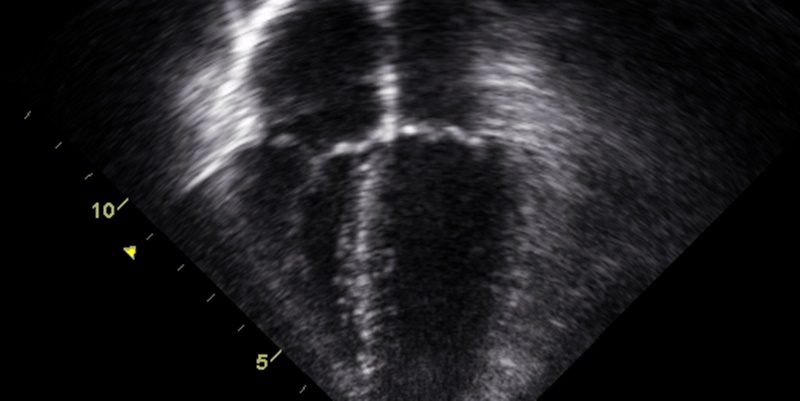
Use of fluoroquinolones and may increase the risk of aortic and mitral regurgitation
byAlex Chan
July 30, 2024
in Cardiology, Chronic Disease, Infectious Disease, Pulmonology
Reading Time: 2 mins read
Lisinopril and carvedilol reduce cardiotoxicity in breast cancer patients receiving trastuzumab and anthracyclines
Share on FacebookShare on TwitterShare on LinkedIn

1. Patient data from a Taiwanese national database demonstrated that those who took fluoroquinolones had a greater risk of aortic and mitral regurgitation.

2. When excluding patients treated for pneumonia however, patients who took fluoroquinolones had a greater risk of mitral but not aortic regurgitation.

Evidence Rating Level: 2 (Good)

Fluoroquinolones (FQs) are broad-spectrum antibiotics used to treat a variety of infections. There is conflicting evidence for whether FQs increase the risk of aortic and mitral regurgitation. This nationwide case-crossover study thus examined the association between FQs and the risk of aortic and mitral regurgitation. Study data was retrieved from the Longitudinal Health Insurance Database 2000 (LHID2000), a subset of the National Health Insurance Research Database (NHIRD) that has been validated to be representative of the general Taiwan population. Patients over 20 years old diagnosed with aortic regurgitation (AR) or mitral regurgitation (MR) between January 1, 2000, and December 31, 2012 were included. A unidirectional case-crossover design was used without selecting controls from an external population. Antibiotics of primary interest were oral form drugs of fluoroquinolones (FQs). A total of 26,650 patients were included in the study and separated into subcohorts of patients with MR alone (n = 20,884, mean age ±SD = 49.9 ±17.6 years, male N (%) = 7,381 (35.4%)), AR alone (n = 3,940, mean age ±SD = 70.9 ± 12.9 years, male N (%) = 1,955 (49.6%)), or combined AR and MR (n = 1,866, mean age ±SD = 65.9 ± 13.9 years, male N (%) = 784 (42.0%)). Before exclusion of pneumonia diagnosed within 2 months before the index date, patients who took FQs had a significantly greater risk of AR or MR (adjusted odds ratio [aOR] 1.51, 95% confidence interval [CI] 1.30–1.77), any AR (combined AR and MR) (aOR 1.50, 95% CI 1.10–2.04), and any MR (combined AR and MR) (aOR 1.37, 95% CI 1.16–1.62). After the exclusion of pneumonia, FQs exposure was no longer significantly associated with a larger risk of any AR (P = 0.101); however, it remained significantly associated with a greater risk of MR (aOR 1.38, 95% CI 1.17–1.62) and any MR (aOR 1.25, 95% CI 1.05–1.48). Overall, study findings provide evidence that there may be an association between the use of FQs and valvular conditions. Although further information is needed to validate these findings, this may be used to inform the prescribing of physicians for patients who have a history of, or are at risk of valvular heart conditions.

Click to read the study in PLOS ONE

Image: PD

RELATED REPORTS

Midline catheters may reduce catheter-related bloodstream infections compared with peripherally inserted central catheters in intensive care unit patients

Antibiotics after appendectomy were not associated with reduced postoperative infections

©2024 2 Minute Medicine, Inc. All rights reserved. No works may be reproduced without expressed written consent from 2 Minute Medicine, Inc. Inquire about licensing here. No article should be construed as medical advice and is not intended as such by the authors or by 2 Minute Medicine, Inc.

Tags: antibioticscardiologyinfectious diseasepneumoniapublic healthvalvular heart disease
Previous Post

Sintilimab improves survival in advanced non-metastatic nasopharyngeal carcinoma

Next Post

#VisualAbstract: Antihypertensive Treatment is Effective for Target Organ Protection in Patients with Masked Hypertension

RelatedReports

IV line infection collage: a winged IV catheter, a clear dressing, three blue circles along a ribbon and round bacteria
Cardiology

Midline catheters may reduce catheter-related bloodstream infections compared with peripherally inserted central catheters in intensive care unit patients

November 5, 2026
A variety of pharmaceutical items including a vial, capsule, molecule model, pill blister pack, petri dish with a pipette, and a graph, symbolizing drug development.
Infectious Disease

Antibiotics after appendectomy were not associated with reduced postoperative infections

October 3, 2026
A senior woman looks thoughtfully at a balance scale with a stethoscope and a heart illustration, symbolizing the assessment of cardiovascular risk and treatment decisions.
Cardiology

Chronic exposure to particulate matter is associated with increased cardiovascular risk

September 10, 2026
Atrial fibrillation collage: an engraved heart with teal upper chambers, paper sparks and a dotted teal ribbon around it
Cardiology

The mortality in-hospital for patients undergoing elective catheter ablation for atrial fibrillation is low

September 4, 2026
Next Post
#VisualAbstract: Antihypertensive Treatment is Effective for Target Organ Protection in Patients with Masked Hypertension

#VisualAbstract: Antihypertensive Treatment is Effective for Target Organ Protection in Patients with Masked Hypertension

#VisualAbstract Web-Based Cognitive Behavioural Treatments for Bulimina Nervosa Reduces Disease Burden

#VisualAbstract Web-Based Cognitive Behavioural Treatments for Bulimina Nervosa Reduces Disease Burden

Dual-energy CT may improve detection of acute small bowel ischemia

Risankizumab is superior to ustekinumab for endoscopic remission of Crohn’s disease

✦ EvidencePulse™ by 2 Minute Medicine 3 reports You asked top stroke trials 2026 Synthesizing medical evidence... Top 2026 stroke trial results: OCEANIC — ischemic stroke: 6.2% vs 8.4% OPTION* — mRS 0–1: 43.6% vs 34.2% ORIENTAL* — mRS 0–2: 58.6% vs 46.6% *Higher sICH in intervention arms Participants randomizedN OCEANIC 12,327 OPTION 570 ORIENTAL 564 Ask about guidelines or landmark trials... Try EvidencePulse™ Get the signal. Try it now → Physician-trained medical AI by 2 Minute Medicine

2MM+ All Access

Full details →
$4.99 /month

3-day free trial · cancel anytime

  • ✓100+ physician-written reports
  • ✓EvidencePulse™ + HypeCheck™
  • ✓Ad-free reading + newsletters
Start 3-day free trial

Then $4.99/month. Manage renewal in your account.

2 Minute Medicine® is an award winning, physician-run, expert medical media company. Our content is curated, written and edited by practicing health professionals who have clinical and scientific expertise in their field of reporting. Our editorial management team is comprised of highly-trained MD physicians. Join numerous brands, companies, and hospitals who trust our licensed content.

Recent Reports

  • Thoracic epidural and paravertebral blockade have similar efficacy for reduction of chronic post-thoracotomy pain
  • Brepocitinib improved cutaneous sarcoidosis activity compared to placebo in phase II of BEACON trial.
  • In topline phase 3 results, dazodalibep reduced systemic disease activity in Sjögren’s disease
License Content
Terms of Use | Disclaimer
Cookie Policy

Get the app

Read 2 Minute Medicine on iPhone, iPad and Android.

Download on the App StoreGet it on Google Play
QR code for www.2minutemedicine.com/app
On a computer? Scan this with your phone’s camera.
2MM+ All Access Full details →

The medical literature, distilled daily.

Monthly plan selected: $4.99 /month.

$4.99/month

3-day free trial · cancel anytime

Start 3-day free trial

Then $4.99/month. Manage renewal in your account.

Yearly plan selected: $49.90 /year.

$49.90/year

2 months free

Start 3-day free trial

Then $49.90/year.

Membership benefits

  • ✓100+ new physician-written study summaries monthly, 12,000+ searchable
  • ✓AI EvidencePulse™ + HypeCheck™
  • ✓Ad-free reading + newsletters
  • ✓FDA drug approvals + clinical calculators

Already a member? Sign in

  • Get the app
  • About
  • Specialties
    • All Specialties, All Recent Reports
    • Cardiology
    • Chronic Disease
    • Dermatology
    • Emergency
    • Endocrinology
    • Gastroenterology
    • Imaging and Intervention
    • Infectious Disease
    • Nephrology
    • Neurology
    • Obstetrics
    • Oncology
    • Ophthalmology
    • Pediatrics
    • Pharma
    • Preclinical
    • Psychiatry
    • Public Health
    • Pulmonology
    • Rheumatology
    • Surgery
    • Rewinds
    • The Scan
  • EvidencePulse™
  • HypeCheck™
  • AI News
  • Classics™
    • 2MM+ Online Access
    • Paperback and Ebook
  • Tools
    • NPI Registry Lookup
    • RVU Search
    • Physician Pay by Specialty
    • ICD-10 Code Lookup
    • FDA Drug Approvals
    • Drug Safety for Breastfeeding/Pregnancy
    • Clinical Guidelines
    • Medical Calculators
    • ECG Reference
      • QTc Calculator
      • Sgarbossa Criteria
      • ECG Axis Calculator
      • AV Block Helper
  • Rankings
    • Medical School Rankings
    • Residency Rankings
  • Partners
    • License Content
    • Advertise with Us
No Result
View All Result

© 2026 2 Minute Medicine, Inc. - Physician-written medical news.