• About
  • Masthead
  • License Content
  • Advertise
  • Submit Press Release
  • RSS/Email List
  • 2MM Podcast
  • Write for us
  • Contact Us
2 Minute Medicine
No Result
View All Result

No products in the cart.

SUBSCRIBE
  • Specialties
    • All Specialties, All Recent Reports
    • Cardiology
    • Chronic Disease
    • Dermatology
    • Emergency
    • Endocrinology
    • Gastroenterology
    • Imaging and Intervention
    • Infectious Disease
    • Nephrology
    • Neurology
    • Obstetrics
    • Oncology
    • Ophthalmology
    • Pediatrics
    • Pharma
    • Preclinical
    • Psychiatry
    • Public Health
    • Pulmonology
    • Rheumatology
    • Surgery
  • Tools
    • EvidencePulse™
    • HypeCheck™
    • NPI Registry Lookup
    • RVU Search
  • Pharma
  • AI News
  • The Scan+
  • Classics™+
    • 2MM+ Online Access
    • Paperback and Ebook
  • Rewinds
  • Partners
    • License Content
    • Submit Press Release
    • Advertise with Us
  • Account
    • Subscribe
    • Cart
    • Sign-in
    • My account
2 Minute Medicine
  • Specialties
    • All Specialties, All Recent Reports
    • Cardiology
    • Chronic Disease
    • Dermatology
    • Emergency
    • Endocrinology
    • Gastroenterology
    • Imaging and Intervention
    • Infectious Disease
    • Nephrology
    • Neurology
    • Obstetrics
    • Oncology
    • Ophthalmology
    • Pediatrics
    • Pharma
    • Preclinical
    • Psychiatry
    • Public Health
    • Pulmonology
    • Rheumatology
    • Surgery
  • Tools
    • EvidencePulse™
    • HypeCheck™
    • NPI Registry Lookup
    • RVU Search
  • Pharma
  • AI News
  • The Scan+
  • Classics™+
    • 2MM+ Online Access
    • Paperback and Ebook
  • Rewinds
  • Partners
    • License Content
    • Submit Press Release
    • Advertise with Us
  • Account
    • Subscribe
    • Cart
    • Sign-in
    • My account
SUBSCRIBE
2 Minute Medicine
Subscribe
Home All Specialties Cardiology

Artificial intelligence may assist in early detection of decreased ejection fraction on echocardiograms

byPaary BalakumarandAlex Chan
June 19, 2025
in Cardiology, Chronic Disease, Emergency
Reading Time: 2 mins read
0
Share on FacebookShare on Twitter

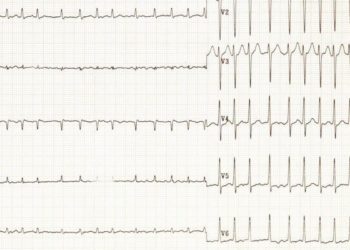
1. AI-assisted electrocardiogram (ECG) improves early detection of low ejection fraction in hospitalized patients by enhancing diagnostic precision without increasing echocardiogram use

Evidence Rating Level: 1 (Excellent)

This pragmatic randomized controlled trial evaluated the impact of an AI-enabled ECG algorithm on the early diagnosis of low ejection fraction (EF ≤50%) in hospitalized patients under non-cardiologist care. Conducted at a single academic medical center in Taiwan, the study randomized 13,631 inpatients to either an intervention group (n = 6,840) receiving AI-assisted ECG interpretations or a control group (n = 6,791) receiving standard care. The AI model flagged patients as high or low risk based on ECG-derived probabilities for low EF. The primary outcome was the 30-day incidence of newly diagnosed low EF. The intervention significantly increased diagnosis rates (1.5% vs. 1.1%, HR 1.50, 95% CI: 1.11–2.03; p = 0.023), particularly among AI-identified high-risk patients (13.0% vs. 8.9%, HR 1.55, 95% CI: 1.08–2.21). Notably, overall echocardiogram utilization did not increase (17.1% vs. 17.3%, HR 1.00), but the diagnostic yield improved: 34.2% of high-risk intervention patients undergoing echocardiography were diagnosed with low EF, compared to 20.2% in controls (p < 0.001). Post-hoc analysis revealed increased cardiology consultation among high-risk intervention patients (29.3% vs. 23.5%; p = 0.027), suggesting AI alerts prompted more targeted diagnostic actions. The intervention improved diagnostic efficiency without escalating imaging burden or mortality. The algorithm’s real-time integration into clinical workflows enabled more accurate risk stratification and selective use of downstream resources.

Click to read the study in BMC Medicine

Image: PD

©2025 2 Minute Medicine, Inc. All rights reserved. No works may be reproduced without expressed written consent from 2 Minute Medicine, Inc. Inquire about licensing here. No article should be construed as medical advice and is not intended as such by the authors or by 2 Minute Medicine, Inc. 

RELATED REPORTS

A medical care at home program following hospitalization with acute decompensated heart failure may offer a safe and effective alternative to continued hospitalization

Catheter ablation within 1 year of atrial fibrillation diagnosis is associated with reduced risk of recurrence

2 Minute Medicine Rewind July 20, 2026

Tags: cardiologychronic diseasecritical careEchocardiogramemergency medicineheart failure
Previous Post

#VisualAbstract: Tarlatamab Improves Survival in Small-Cell Lung Cancer after Platinum-Based Chemotherapy

Next Post

Early screening for emotional and cognitive issues may improve psychiatric outcomes for stroke patients

RelatedReports

Remote patient monitoring did not reduce heart failure readmissions: The BEAT-HF trial
Cardiology

A medical care at home program following hospitalization with acute decompensated heart failure may offer a safe and effective alternative to continued hospitalization

July 24, 2026
Rivaroxaban likely reduces risk of recurrent stroke in specific subgroup of patients with embolic stroke of undetermined source
Cardiology

Catheter ablation within 1 year of atrial fibrillation diagnosis is associated with reduced risk of recurrence

July 24, 2026
Remote patient monitoring did not reduce heart failure readmissions: The BEAT-HF trial
Weekly Rewinds

2 Minute Medicine Rewind July 20, 2026

July 20, 2026
Computed tomography improves diagnostic certainty in the emergency department
Cardiology

Two scores for risk stratification of adults presenting with syncope may be effective at identifying those with low risk

May 29, 2026
Next Post
Non-alcoholic fatty liver disease and risk of incident acute myocardial infarction and stroke: findings from matched cohort study of 18 million European adults

Early screening for emotional and cognitive issues may improve psychiatric outcomes for stroke patients

High incidence of foreskin morbidity in uncircumcised males

Repeated medial branch blocks do not improve pain outcomes for thermal radiofrequency ablation

Parental nonmedical prescription opioid use linked to adolescent use

Reductions in pain catastrophizing are associated with improvements in emotional functioning

2 Minute Medicine® is an award winning, physician-run, expert medical media company. Our content is curated, written and edited by practicing health professionals who have clinical and scientific expertise in their field of reporting. Our editorial management team is comprised of highly-trained MD physicians. Join numerous brands, companies, and hospitals who trust our licensed content.

Recent Reports

  • Single-dose CRISPR therapy reduces hereditary angioedema attacks
  • Once-weekly oral islatravir-lenacapavir is noninferior to daily HIV therapy
  • Weight loss is associated with improved vascular function in patients with metabolic dysfunction-associated steatotic liver disease
License Content
Terms of Use | Disclaimer
Cookie Policy
Privacy Statement (EU)
Disclaimer
  • Specialties
    • All Specialties, All Recent Reports
    • Cardiology
    • Chronic Disease
    • Dermatology
    • Emergency
    • Endocrinology
    • Gastroenterology
    • Imaging and Intervention
    • Infectious Disease
    • Nephrology
    • Neurology
    • Obstetrics
    • Oncology
    • Ophthalmology
    • Pediatrics
    • Pharma
    • Preclinical
    • Psychiatry
    • Public Health
    • Pulmonology
    • Rheumatology
    • Surgery
  • Tools
    • EvidencePulse™
    • HypeCheck™
    • NPI Registry Lookup
    • RVU Search
  • Pharma
  • AI News
  • The Scan
  • Classics™
    • 2MM+ Online Access
    • Paperback and Ebook
  • Rewinds
  • Partners
    • License Content
    • Submit Press Release
    • Advertise with Us
  • Account
    • Subscribe
    • Cart
    • Sign-in
    • My account
No Result
View All Result

© 2026 2 Minute Medicine, Inc. - Physician-written medical news.