• About
  • Masthead
  • License Content
  • Advertise
  • Submit Press Release
  • RSS/Email List
  • 2MM Podcast
  • Write for us
  • Contact Us
2 Minute Medicine
No Result
View All Result

No products in the cart.

SUBSCRIBE
  • About
  • Specialties
    • All Specialties, All Recent Reports
    • Cardiology
    • Chronic Disease
    • Dermatology
    • Emergency
    • Endocrinology
    • Gastroenterology
    • Imaging and Intervention
    • Infectious Disease
    • Nephrology
    • Neurology
    • Obstetrics
    • Oncology
    • Ophthalmology
    • Pediatrics
    • Pharma
    • Preclinical
    • Psychiatry
    • Public Health
    • Pulmonology
    • Rheumatology
    • Surgery
  • Tools+
    • EvidencePulse™
    • HypeCheck™
    • NPI Registry Lookup
    • RVU Search
  • Pharma
  • AI Roundup
  • The Scan+
  • Classics™+
    • 2MM+ Online Access
    • Paperback and Ebook
  • Rewinds
  • Partners
    • License Content
    • Submit Press Release
    • Advertise with Us
  • Account
    • Subscribe
    • My account
    • Cart
    • Sign-in
2 Minute Medicine
  • About
  • Specialties
    • All Specialties, All Recent Reports
    • Cardiology
    • Chronic Disease
    • Dermatology
    • Emergency
    • Endocrinology
    • Gastroenterology
    • Imaging and Intervention
    • Infectious Disease
    • Nephrology
    • Neurology
    • Obstetrics
    • Oncology
    • Ophthalmology
    • Pediatrics
    • Pharma
    • Preclinical
    • Psychiatry
    • Public Health
    • Pulmonology
    • Rheumatology
    • Surgery
  • Tools+
    • EvidencePulse™
    • HypeCheck™
    • NPI Registry Lookup
    • RVU Search
  • Pharma
  • AI Roundup
  • The Scan+
  • Classics™+
    • 2MM+ Online Access
    • Paperback and Ebook
  • Rewinds
  • Partners
    • License Content
    • Submit Press Release
    • Advertise with Us
  • Account
    • Subscribe
    • My account
    • Cart
    • Sign-in
SUBSCRIBE
2 Minute Medicine
Subscribe
EvidencePulse™ by 2 Minute Medicine 2026 evidence scan 3 reports You asked top stroke trials 2026 Synthesizing medical evidence... Top 2026 stroke trial results: OCEANIC — ischemic stroke: 6.2% vs 8.4% OPTION* — mRS 0–1: 43.6% vs 34.2% ORIENTAL* — mRS 0–2: 58.6% vs 46.6% *Higher sICH in intervention arms Participants randomizedN OCEANIC 12,327 OPTION 570 ORIENTAL 564 Ask about guidelines or landmark trials... ↑ Try EvidencePulse™ Ask the evidence.
Get the signal.
Try it now → Physician-trained medical AI by 2 Minute Medicine
Home All Specialties Cardiology

FDG-PET may guide antibiotic therapy in vascular graft infections
byDavid WangandDylan Wolman
May 21, 2015
in Cardiology, Imaging and Intervention, Infectious Disease
Reading Time: 3 mins read
FDG-PET may guide antibiotic therapy in vascular graft infections
Share on FacebookShare on Twitter

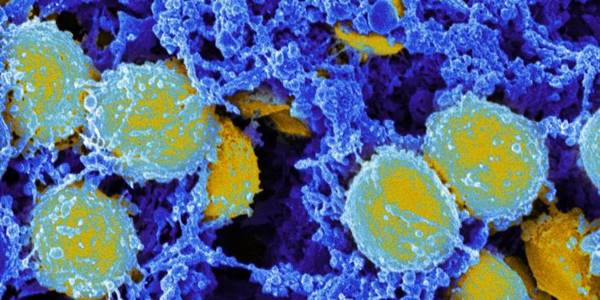
1. In a prospective cohort study of 25 patients with prosthetic vascular graft infections treated with systemic antibiotics, the use of FDG-PET/CT for monitoring of metabolic activity within the graft was effective at determining infection status and was used to alter the course of antibiotic therapy in all patients.

Evidence Rating Level: 3 (Average)

Study Rundown: Prosthetic vascular graft infections (PVGI) are associated with high rates of morbidity and mortality and are often treated with both surgical interventions as well as systemic antibiotic therapy. Systemic treatment typically lasts 3-6 months, however, there are no current guidelines for the monitoring of therapeutic response, though common practice trends blood biomarkers such as white blood cell counts and C-reactive protein (CRP) levels. Previous studies have demonstrated the use of positron emission tomography/computed tomography with 18F-fluorodexoyglucose (FDG-PET/CT) to monitor a known infectious site for decreased metabolic activity within the foci of infection. The purpose of this study was to investigate the feasibility of FDG-PET/CT for therapy control in PVGI under the hypothesis that visualization of metabolic activity within a given infected graft may be a superior marker of infection in guiding antibiotic choice and treatment course. Twenty-five patients with known PVGI were recruited and underwent FDG-PET/CT at the time of systemic antibiotic therapy and approximately 6 months after baseline examination. At the conclusion of the trial, 76% of patients had their antibiotic regimen continued for decreased metabolic activity within the infected graft. The treatment regimen was stopped and altered in 8% and 16%, respectively, because of unchanged or increased metabolic activity at the infected graft site. The results of this study support the potential utility of FDG-PET/CT in monitoring the response to systemic antibiotic therapy in PVGI. However, the study is limited by the small sample size and the lack of a control group for comparison of clinically important outcomes such as graft failure or rates of hospitalization. Additional large prospective trials are needed to clarify the utility of FDG-PET/CT in PVGI.

Click to read the study in JNM

Relevant Reading: Prosthetic Vascular Graft Infection: The Role of 18F-FDG PET/CT

In-Depth [prospective cohort]: The Vascular Graft Cohort Study (VASGRA) is an open, prospective, observational study to determine the feasibility of FDG-PET/CT in therapy monitoring of PVGI. Researchers recruited 25 patients (median age 66 years; range 48-61) with proven PVGI to undergo FDG-PET/CT prior to surgical intervention (baseline) and for follow-up scans 3 to 6 months later. Follow-up scans were performed at a median interval of 170 days (range: 89-249 days) after the initial investigations. Image analysis was performed by calculating maximum standardized uptake values (SUV max) within the graft, and was compared to laboratory markers in the subjects, including CRP values and white blood counts. Among patients with PVGI and no other metabolically active focus, CRP values correlated well with SUV max in the graft region (R2 = 0.67; p = 0.002). At the conclusion of the trial, the use of FDG-PET/CT had an impact on the clinical management of all 25 patients. Treatment was continued in 76% (n = 19) of patients, and stopped or altered in 8% (n = 2) and 16% (n = 4) of patients, respectively. The use of FDG-PET/CT also detected other foci of inflammation (n = 8) including recurrence of rectal carcinoma (n = 1), clinically silent ischemic stroke (n = 1), and spondylodiscitis (n = 1). There was a significant correlation between biochemical markers of inflammation (i.e. CRP) with a subset of patients with no additional foci of inflammation (n = 11; R2 = 0.67; p = 0.002), but not with the entire cohort.

RELATED REPORTS

Use of procalcitonin in neonatal late-onset sepsis may reduce the duration of antibiotic therapy without increase in mortality

Treatment of chronic low back pain and disc herniation with amoxicillin-clavulanate (Augmentin) may not be effective for pain control

Two plasma-based biomarkers may accurately predict positive CT head scans in traumatic brain injury

Image: PD

©2015 2 Minute Medicine, Inc. All rights reserved. No works may be reproduced without expressed written consent from 2 Minute Medicine, Inc. Inquire about licensing here. No article should be construed as medical advice and is not intended as such by the authors or by 2 Minute Medicine, Inc.
 

Tags: antibioticsComputed Tomography (CT)Positron Emission Tomography (PET Scan)
Previous Post

STOP-IT Trial: Fixed-Duration Antibiotic Therapy for Intraabdominal Infections [Classics Series]

Next Post

Age not associated with differences in radiosurgical arteriovenous malformation outcomes

RelatedReports

Obstetric scoring systems overestimate cases of severe sepsis
Emergency

Use of procalcitonin in neonatal late-onset sepsis may reduce the duration of antibiotic therapy without increase in mortality

May 28, 2026
Epidural corticosteroid injections provide only short-term radiculopathy pain relief
Chronic Disease

Treatment of chronic low back pain and disc herniation with amoxicillin-clavulanate (Augmentin) may not be effective for pain control

May 25, 2026
Brain lesions on MRI linked with subsequent increased stroke risk
Emergency

Two plasma-based biomarkers may accurately predict positive CT head scans in traumatic brain injury

March 22, 2026
Gastric bypass surgery reduces cardio-metabolic risk factors
Chronic Disease

Endoscopic sinus surgery improves quality of life compared with clarithromycin and placebo in chronic rhinosinusitis

October 28, 2025
Next Post
Age not associated with differences in radiosurgical arteriovenous malformation outcomes

Age not associated with differences in radiosurgical arteriovenous malformation outcomes

Maternal verbal interaction more common than paternal during infancy

Single motherhood associated with poorer health outcomes in late adulthood

Alzheimer disease diagnoses aided by amyloid positive PET scans

Alzheimer disease diagnoses aided by amyloid positive PET scans

EvidencePulse™ by 2 Minute Medicine 2026 evidence scan 3 reports You asked top stroke trials 2026 Synthesizing medical evidence... Top 2026 stroke trial results: OCEANIC — ischemic stroke: 6.2% vs 8.4% OPTION* — mRS 0–1: 43.6% vs 34.2% ORIENTAL* — mRS 0–2: 58.6% vs 46.6% *Higher sICH in intervention arms Participants randomizedN OCEANIC 12,327 OPTION 570 ORIENTAL 564 Ask about guidelines or landmark trials... ↑ Try EvidencePulse™ Ask the evidence.
Get the signal.
Try it now → Physician-trained medical AI by 2 Minute Medicine

2MM+ All Access

Full details →
$4.99 /month

5-day free trial · cancel anytime

  • ✓100+ physician-written reports
  • ✓EvidencePulse™ + HypeCheck™
  • ✓Ad-free reading + newsletters
Start 5-day free trial

Then $4.99/month. Manage renewal in your account.

2 Minute Medicine® is an award winning, physician-run, expert medical media company. Our content is curated, written and edited by practicing health professionals who have clinical and scientific expertise in their field of reporting. Our editorial management team is comprised of highly-trained MD physicians. Join numerous brands, companies, and hospitals who trust our licensed content.

Recent Reports

  • The rate of urethrocutaneous fistula following caudal and penile blocks for hypospadias repair may be similar
  • Adjuvant chemotherapy not linked to improved outcomes in localized appendiceal adenocarcinoma
  • Deep learning model improved cancer recurrence prediction for pediatric glioma using serial imaging
License Content
Terms of Use | Disclaimer
Cookie Policy
Cleantalk Pixel
2MM+ All Access Full details →

The medical literature, distilled daily.

Monthly plan selected: $4.99 /month.

$4.99/month

5-day free trial · cancel anytime

Start 5-day free trial

Then $4.99/month. Manage renewal in your account.

Yearly plan selected: $49.90 /year.

$49.90/year

2 months free · only $4.16/month

Start 5-day free trial

Then $49.90/year. Manage renewal in your account.

Membership benefits

  • ✓100+ physician-written reports
  • ✓AI EvidencePulse™ + HypeCheck™
  • ✓Ad-free reading + newsletters

Already a member? Sign in

  • About
  • Specialties
    • All Specialties, All Recent Reports
    • Cardiology
    • Chronic Disease
    • Dermatology
    • Emergency
    • Endocrinology
    • Gastroenterology
    • Imaging and Intervention
    • Infectious Disease
    • Nephrology
    • Neurology
    • Obstetrics
    • Oncology
    • Ophthalmology
    • Pediatrics
    • Pharma
    • Preclinical
    • Psychiatry
    • Public Health
    • Pulmonology
    • Rheumatology
    • Surgery
  • Tools
    • EvidencePulse™
    • HypeCheck™
    • NPI Registry Lookup
    • RVU Search
  • Pharma
  • AI Roundup
  • The Scan
  • Classics™
    • 2MM+ Online Access
    • Paperback and Ebook
  • Rewinds
  • Partners
    • License Content
    • Submit Press Release
    • Advertise with Us
  • Account
    • Subscribe
    • My account
    • Cart
    • Sign-in
No Result
View All Result

© 2026 2 Minute Medicine, Inc. - Physician-written medical news.