• About
  • Masthead
  • License Content
  • Advertise
  • Submit Press Release
  • RSS/Email List
  • 2MM Podcast
  • Write for us
  • Contact Us
2 Minute Medicine
No Result
View All Result

No products in the cart.

SUBSCRIBE
  • Specialties
    • All Specialties, All Recent Reports
    • Cardiology
    • Chronic Disease
    • Dermatology
    • Emergency
    • Endocrinology
    • Gastroenterology
    • Imaging and Intervention
    • Infectious Disease
    • Nephrology
    • Neurology
    • Obstetrics
    • Oncology
    • Ophthalmology
    • Pediatrics
    • Pharma
    • Preclinical
    • Psychiatry
    • Public Health
    • Pulmonology
    • Rheumatology
    • Surgery
  • Tools
    • EvidencePulse™
    • RVU Search
    • NPI Registry Lookup
  • Pharma
  • AI News
  • The Scan+
  • Classics™+
    • 2MM+ Online Access
    • Paperback and Ebook
  • Rewinds
  • Partners
    • License Content
    • Submit Press Release
    • Advertise with Us
  • Account
    • Subscribe
    • Sign-in
    • My account
2 Minute Medicine
  • Specialties
    • All Specialties, All Recent Reports
    • Cardiology
    • Chronic Disease
    • Dermatology
    • Emergency
    • Endocrinology
    • Gastroenterology
    • Imaging and Intervention
    • Infectious Disease
    • Nephrology
    • Neurology
    • Obstetrics
    • Oncology
    • Ophthalmology
    • Pediatrics
    • Pharma
    • Preclinical
    • Psychiatry
    • Public Health
    • Pulmonology
    • Rheumatology
    • Surgery
  • Tools
    • EvidencePulse™
    • RVU Search
    • NPI Registry Lookup
  • Pharma
  • AI News
  • The Scan+
  • Classics™+
    • 2MM+ Online Access
    • Paperback and Ebook
  • Rewinds
  • Partners
    • License Content
    • Submit Press Release
    • Advertise with Us
  • Account
    • Subscribe
    • Sign-in
    • My account
SUBSCRIBE
2 Minute Medicine
Subscribe
Home All Specialties Cardiology

Genetically modified porcine-to-human cardiac xenograft failure

byNhat Hung (Benjamin) LamandKiera Liblik
July 11, 2022
in Cardiology, Surgery
Reading Time: 2 mins read
0
Share on FacebookShare on Twitter

1. A porcine heart was transplanted into a 57-year-old man with nonischemic cardiomyopathy without apparent rejection.

2. The xenograft started failing shortly after transplantation and life support was withdrawn on day 60. The mechanism of failure is being investigated.

Evidence Rating Level: 2 (Good)

Study Rundown: Xenopathic organ transplantation represents a possible avenue for alleviating the burden on patients and the healthcare system associated with long transplant waitlists and ineligibility for allotransplantation. In the present study, a 57-year-old male with chronic thrombocytopenia, hypertension, and nonischemic cardiomyopathy was admitted to the hospital for severe heart failure. Despite aggressive therapies, the patient continued to have ventricular arrhythmias and cardiac arrests. Due to poor treatment adherence and non-ambulatory status, the patient was ineligible for allograft transplantation. Experimental xenotransplantation was believed to be non-inferior to continued intervention. The donor pig had 10 genes modified to be compatible with the human recipient and the patient was placed on enhanced post-transplantation immunosuppression. Despite the initial graft success, the patient developed signs of infection and later, diastolic failure. Histology revealed interstitial edema, myocyte necrosis, and red-cell extravasation, without signs of immune-mediated rejection. Life support was withdrawn on day 60 post-transplantation. The current findings were not consistent with infections or typical rejection. Studies are in progress to elucidate the mechanisms behind this pathology.

Click here to read the study in NEJM

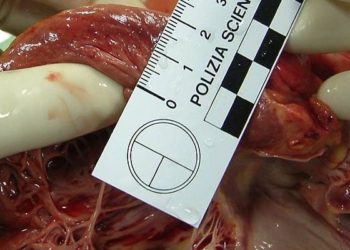
In-Depth [case report]: This was a case report of an experimental xenotransplantation from a genetically modified pig to a human recipient. Due to the patient’s declining cardiac function and ineligibility for allograft transplantation, the 57-year-old male patient was deemed eligible. The donor pig was cloned from a fibroblast cell line that has 10 edited genes. The patient underwent an immunosuppression regimen that included rituximab, anti-thymocyte globulin, complement inhibitor, monoclonal anti-CD40 antibody, methylprednisolone, and mycophenolate mofetil. Zeno-zoonosis risk was minimized through rigorous husbandry and routine surveillance. Additionally, human pathogens were also tested using plasma microbial cell-free DNA. Post-transplantation, the patient’s cardiac output was adequate and the left ventricular ejection fraction was 55%. No evidence of rejection was observed during initial testing. Subsequently, the patient developed several complications including peritonitis, poor feeding, and infection. Starting from day 49, the patient showed signs of failure of the transplanted heart, which required vasopressors, and intubation. Biopsy revealed edema and erythrocyte extravasation, without signs of antibody- or cell-mediated rejection. Despite subsequent treatment for suspected atypical rejection, signs of antibody-mediated rejection emerged alongside myocyte necrosis, indicating irreversible injury to the graft. Compassionate withdrawal of life support was done on day 60 post-transplantation. The autopsy showed a significant increase in size and weight of the heart and signs of fibrosis and scattered necrosis. These findings were inconsistent with typical xenograft rejection and efforts are underway to determine the mechanisms of the observed pathology.

RELATED REPORTS

Contemporary medical therapy for heart failure across the ejection fraction spectrum: The OPTIPHARM-HF registry

Association between baseline BMI and in-hospital mortality in critically ill cardiac surgery patients: a retrospective cohort study

2 Minute Medicine Rewind November 17, 2025

Image: PD

©2022 2 Minute Medicine, Inc. All rights reserved. No works may be reproduced without expressed written consent from 2 Minute Medicine, Inc. Inquire about licensing here. No article should be construed as medical advice and is not intended as such by the authors or by 2 Minute Medicine, Inc.

Tags: Cardiac surgerycardiologycase reportexperimental procedureheart failureHeart Transplantporcine xenotransplantationSurgerytransplantxenotransplantation
Previous Post

ERBB2-low tumours are not a distinct biologic or prognostic subgroup from ERBB2-0 tumour breast cancer.

Next Post

Primary care physicians underuse Medicare prevention and coordination codes

RelatedReports

Remote patient monitoring did not reduce heart failure readmissions: The BEAT-HF trial
Cardiology

Contemporary medical therapy for heart failure across the ejection fraction spectrum: The OPTIPHARM-HF registry

December 23, 2025
Survival greater in cervical cancer patients undergoing abdominal hysterectomy compared to minimally invasive techniques: the LACC trial
Cardiology

Association between baseline BMI and in-hospital mortality in critically ill cardiac surgery patients: a retrospective cohort study

November 17, 2025
Lariat device for left atrial appendage exclusion associated with adverse events
Weekly Rewinds

2 Minute Medicine Rewind November 17, 2025

November 17, 2025
Nearly Half of All Pediatric Buprenorphine Exposures Result in Hospitalization
Cardiology

Clopidogrel monotherapy is superior to aspirin for secondary prevention in coronary artery disease

October 30, 2025
Next Post
Parental debt influences child socioemotional well-being

Primary care physicians underuse Medicare prevention and coordination codes

ARIC study finds obstructive and restrictive spirometry results to be associated with heart failure

ABCD2 Score: Predicting Early Stroke Risk After Transient Ischemic Attack (TIA) [Classics Series]

BNT162b2 mRNA vaccine for COVID-19 prevention [Classics Series]

2 Minute Medicine® is an award winning, physician-run, expert medical media company. Our content is curated, written and edited by practicing health professionals who have clinical and scientific expertise in their field of reporting. Our editorial management team is comprised of highly-trained MD physicians. Join numerous brands, companies, and hospitals who trust our licensed content.

Recent Reports

  • Ultrasound-guided stellate ganglion block attenuates early postoperative visceral pain after laparoscopic hysterectomy: A prospective randomized controlled trial
  • Impact of late ventricular fibrillation on postdischarge 1-year mortality of patients presenting with acute myocardial infarction: a nationwide retrospective study
  • Clinical validation of a frailty management mHealth tool in a cohort of community-dwelling older adults: the Geras Fit-Frailty App
License Content
Terms of Use | Disclaimer
Cookie Policy
Privacy Statement (EU)
Disclaimer

© 2025 2 Minute Medicine, Inc. - Physician-written medical news.

  • Specialties
    • All Specialties, All Recent Reports
    • Cardiology
    • Chronic Disease
    • Dermatology
    • Emergency
    • Endocrinology
    • Gastroenterology
    • Imaging and Intervention
    • Infectious Disease
    • Nephrology
    • Neurology
    • Obstetrics
    • Oncology
    • Ophthalmology
    • Pediatrics
    • Pharma
    • Preclinical
    • Psychiatry
    • Public Health
    • Pulmonology
    • Rheumatology
    • Surgery
  • Tools
    • EvidencePulse™
    • RVU Search
    • NPI Registry Lookup
  • Pharma
  • AI News
  • The Scan
  • Classics™
    • 2MM+ Online Access
    • Paperback and Ebook
  • Rewinds
  • Partners
    • License Content
    • Submit Press Release
    • Advertise with Us
  • Account
    • Subscribe
    • Sign-in
    • My account
No Result
View All Result

© 2025 2 Minute Medicine, Inc. - Physician-written medical news.